Real Airframes, Real Hangars
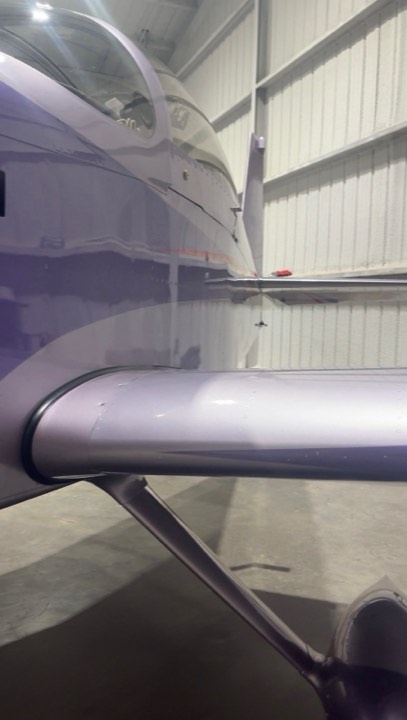
Work done in Lubbock, on customer aircraft. Nothing here is stock photography.
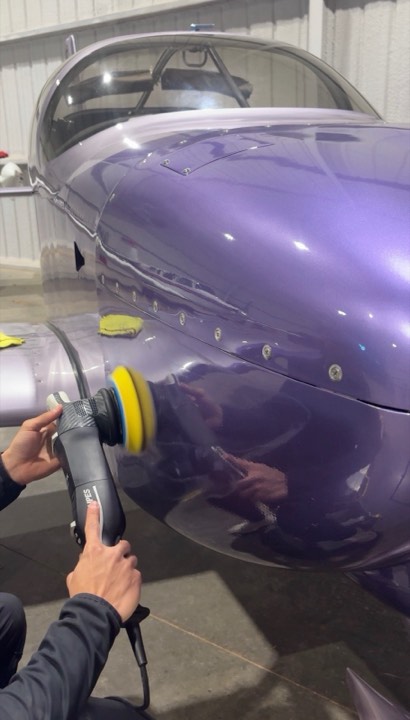
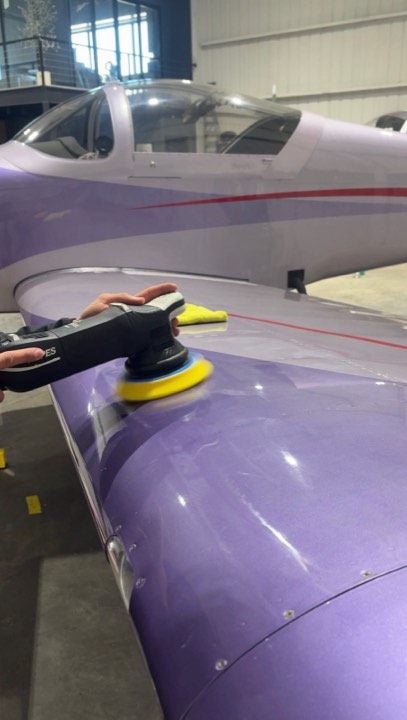
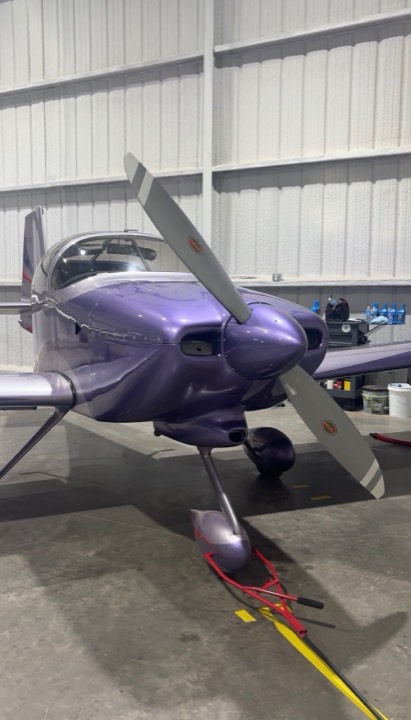
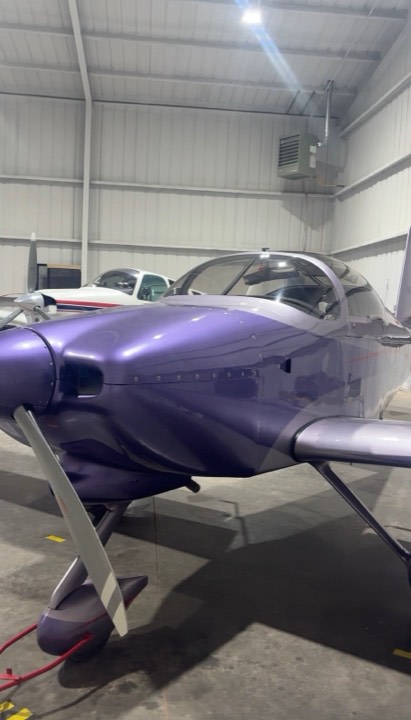
Most aircraft paint damage is not from weather. It is from how the aircraft gets washed.
Delicate Details offers aircraft exterior wash service in Lubbock, TX, quoted by airframe size, condition, and access. Airframe paint picks up swirls and dulling from repeated contact with dirty media, and repainting an aircraft costs several times what repainting a car does. Caliche dust is abrasive and alkaline and settles on every horizontal surface between flights, which is why wash technique matters more on an aircraft than a car.
Airframe paint accumulates swirls, scratches, and dulling the same way car paint does — through repeated contact with dirty media. The difference is that repainting an aircraft costs several times what repainting a car does, so the arithmetic on doing it right is much more one-sided.
West Texas makes this harder. Caliche dust is abrasive and alkaline, and it settles on every horizontal surface between flights. Dragging it across paint with a dirty mitt is how a wash becomes a correction job.
The two approaches — dry wash and wet wash — each have a place, and the right one depends on how dirty the airframe is, where it is parked, and what the hangar or ramp allows.
Neither is universally better. Using the wrong one is what causes problems.
A lubricating product is applied and lifted with clean media, one panel at a time, with frequent towel changes.
Pre-rinse to flush loose grit, then a controlled two-bucket or foam process, then thorough drying.
Frequent towel and mitt changes, and media that never touches the ground or the belly and then goes back on a top surface.
Aircraft are dried rather than left to air dry, because local water is mineral-heavy and spots as it evaporates.
Neither universally. Dry wash suits light dust and situations where water is not available. Wet wash suits heavy soil, because the pre-rinse flushes abrasive grit off before anything contacts the paint. Using dry wash on a heavily soiled airframe grinds grit into the finish.
Not advisable. Pressure drives water into static ports, pitot tubes, drain holes, control surface gaps, and inspection panels where it should not go.
Caliche dust is abrasive and alkaline, and it settles on every horizontal surface between flights. Dragged across paint with dirty media, it scratches. That is why pre-rinse and clean media discipline matter more here than in milder climates.
It depends on storage and use, but hangared aircraft need it far less often than ramp-parked ones. The goal is to remove abrasive and acidic material — dust, bugs, exhaust residue — before it bonds, not to keep it looking new.
Tell us the airframe, where it is parked, and how it is stored and we will recommend the approach.
Book Now →Work done in Lubbock, on customer aircraft. Nothing here is stock photography.