Ceramic Coating vs. PPF:
Which Goes On First?
When both products are compatible, PPF is installed first and ceramic coating can be applied over the film. PPF is chosen mainly for impact protection; coating is chosen mainly for surface behavior and easier maintenance. The right combination depends on driving, coverage goals, budget, and the film and coating manufacturers' instructions.
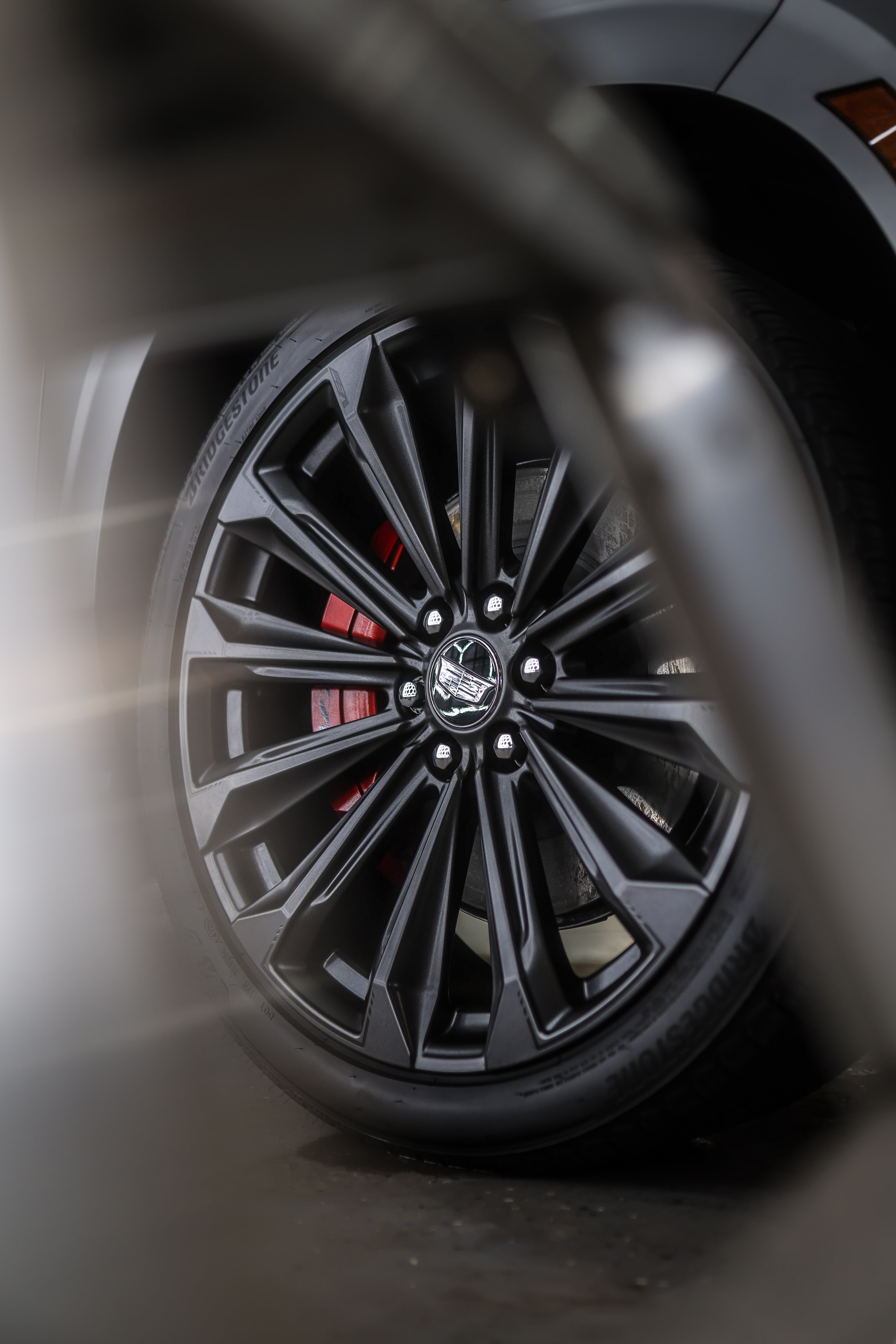
If you are combining paint protection film (PPF) and ceramic coating, film is commonly installed on prepared paint before a compatible coating is applied over it. That is a planning rule, not permission to combine any two products. The PPF installer and coating installer should confirm product compatibility, cure timing, edge treatment, warranty responsibilities, and maintenance before either service begins.
Why the Order Matters
PPF needs a properly cleaned and prepared surface. Paint correction depends on the defects, remaining clear coat, and desired finish. A film-compatible coating may then be applied after the PPF reaches the stage specified by the film manufacturer and installer. If paint is already coated, the PPF installer must inspect the surface and determine the required preparation rather than assuming normal film adhesion.
What Each One Actually Protects Against
| Protection | PPF | Ceramic Coating |
|---|---|---|
| Rock chips & physical impacts | Designed as a sacrificial barrier; no film prevents every impact | Not an impact barrier |
| UV exposure | Varies by film | Added resistance varies by product; not a guarantee against fading |
| Water spots & chemical contamination | Film can still spot or stain | May ease cleanup; does not prevent etching |
| Wash-induced swirl marks | Film can reduce damage to the paint beneath | Does not replace careful wash technique |
Do You Need Both?
Coating alone may fit an owner focused on easier washing and surface maintenance. PPF is the relevant option when impact protection is the priority, especially on forward-facing areas such as the bumper, hood, fenders, and mirrors. Some owners combine both; others choose one based on use and budget.
Before requesting coating over existing PPF: bring the film brand and product line, installation date, covered-panel list, warranty, and care instructions. We can then confirm whether the proposed coating and preparation are appropriate.
Our Recommendation
Start with the damage you are trying to reduce. For rock-chip exposure, get a PPF quote. For easier routine cleaning and water behavior, compare coating packages. If both matter, ask the PPF installer and coating installer for a coordinated written plan that names the products, covered panels, cure timing, warranty terms, and maintenance requirements.
Related Reading
Ready to Protect Your Vehicle?
We can inspect the paint, review existing film information, and explain the preparation and published ceramic coating tiers.
Keep Your Coating Performing.
Founding memberships are $99 for Exterior Detail, $149 for Full Detail, or $249 for Premium Detail. Each option has one set rate for qualifying cars, trucks, and SUVs.