How to Wash a Ceramic Coated Car
And What Will Ruin It
Two buckets, pH-neutral soap, microfiber only, and never a brush automatic wash. Dish soap strips the hydrophobic properties: it is built to cut grease and does that job on your coating too. Do not wash in direct sunlight, because a coated surface sheets water and West Texas heat bakes it into spots. Run an iron decontamination once or twice a year.
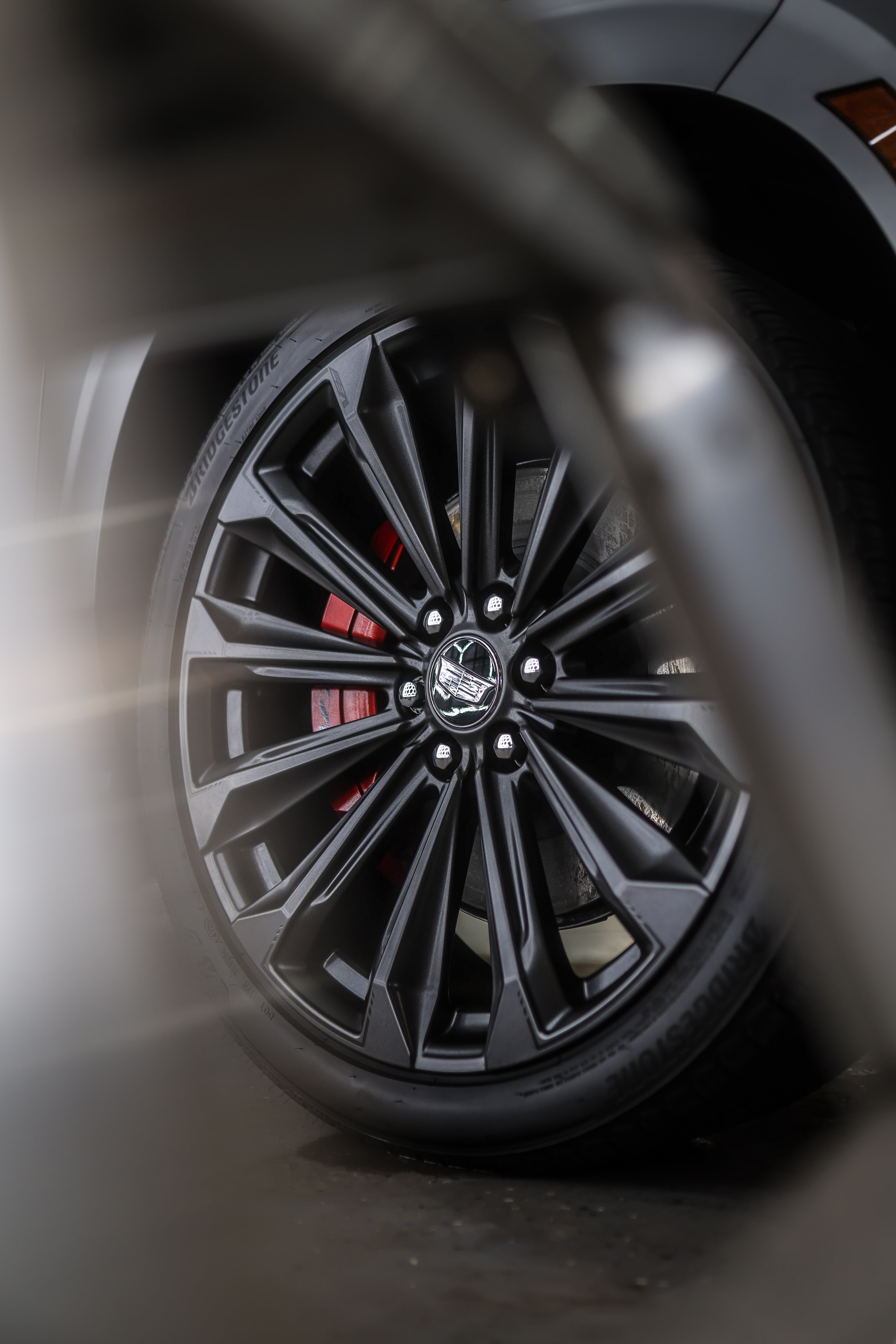
One of the most common calls we get is from someone who just had a ceramic coating installed in Lubbock — somewhere, sometimes here — and they're not sure how to wash it without messing it up. That's a fair concern. Ceramic coating is a serious investment, and the wrong wash routine will degrade it years ahead of schedule.
The good news: washing a coated car isn't complicated. It just requires a little discipline about what you use and how you do it. Here's exactly what we tell every customer who leaves our shop.
Do This
- Two-bucket hand wash with grit guards
- pH-neutral car wash soap
- Touchless automatic washes (occasional)
- Dry with a clean microfiber waffle weave
- Wash in shade or early morning
- Iron decon 1–2x per year
Don't Do This
- Brush-style automatic car washes
- Dish soap or all-purpose cleaners
- Chamois or old terry cloth towels
- Washing in direct sunlight
- Letting contamination sit for months
- Using wax or SiO2 sealants on top
The Two-Bucket Method — Why It Actually Matters
If you're hand washing, use two buckets: one with your soapy wash water, one with clean rinse water. Put a grit guard in the bottom of each. The routine goes like this — dip your wash mitt in the soap bucket, wash a panel, rinse the mitt in the clean water bucket before going back for more soap. Every time.
The reason this matters on a coated car specifically: ceramic coating is hard, but it's not scratch-proof. Grit and brake dust on your mitt are what cause swirl marks. If you're constantly reloading a dirty mitt with fresh soapy water, you're dragging that contamination across your paint over and over. Two buckets keep the abrasives out of your wash solution. It's a simple habit that makes a real difference over three or four years of washing.
pH-Neutral Soap Only
This is the one that catches people off guard. Regular dish soap — Dawn, whatever's under the sink — is designed to cut through grease. It does that job extremely well. It also strips the hydrophobic properties from your ceramic coating every time you use it.
Dish soap is alkaline, typically pH 8–10. Ceramic coatings prefer a pH range of about 5–9, and repeated exposure to high-alkaline cleaners degrades the coating layer over time. You won't see it happen immediately, but six months of dish soap washes and your coating's water-beading performance will noticeably drop.
Use a dedicated pH-neutral car wash soap. CarPro Reset, Kochchemie Gentle Snow Foam, P&S Double Black Car Wash — all work fine. Most are concentrate, so a bottle lasts a long time. There's no reason to cheap out here when you've got hundreds of dollars of coating underneath.
No Brush Car Washes — Period
Touchless automatic washes are fine for a quick rinse between hand washes, especially in Lubbock when the dust is bad. The high-pressure water and detergent get the surface clean without touching it.
Brush washes are a different story. Those spinning brushes — even the "soft cloth" ones — carry grit from every car that went through before yours. They're abrasive enough to scratch and wear down your coating over time, and they will void most manufacturer warranties. If you're running your coated vehicle through a brush wash regularly, you're actively working against the investment you made.
Short version: touchless washes are fine occasionally. Anything that physically contacts the paint — brushes, cloth strips, squeegees — is off the table.
Drying: Microfiber Only
A chamois is fine for uncoated paint because it's soft and absorbent. On a ceramic coated car, it drags. Same goes for old bath towels or shop rags. The fibers are too coarse and they'll leave micro-scratches in the clear coat that show up as haze under direct light.
Use a waffle weave microfiber drying towel, or a blower if you have one. The waffle texture lifts water off the surface instead of dragging it, which is exactly what you want on a coating. Flip the towel regularly so you're never dragging a saturated section across a dry panel.
Don't Wash in Direct Sunlight
This applies to all cars, but it matters more on a coated car because the coating enhances water sheeting — which sounds like a good thing until the water beads up and bakes in the West Texas sun. You get water spots, and hard water spots on ceramic coating are a pain to remove without cutting into the coating itself.
Wash in the shade, early morning, or after sundown. If you can feel the hood is hot to the touch, let the car cool down first. Soap dries on hot paint faster than you can rinse it, and that leaves residue that's harder to deal with than the dirt you were washing off.
Iron Decontamination: Do This Once or Twice a Year
Ceramic coating is hydrophobic, not contamination-proof. Iron fallout — brake dust, rail dust, industrial particles — bonds to the coating surface and won't come off with a normal wash. Over time it builds up and makes the surface feel rough and look dull even though the coating itself is fine underneath.
Once or twice a year, use an iron decontamination spray (CarPro Iron X is what we stock) and let it dwell on the surface. It chemically reacts with iron particles and lets them rinse away without any mechanical agitation. Takes about 15 minutes and makes a noticeable difference in how the surface looks and feels. If you skip this step for years, the contamination buildup starts to compromise the coating's performance regardless of how well you wash.
What Actually Voids the Warranty
Most professional ceramic coatings come with a warranty, but that warranty has conditions. The three most common ways customers accidentally void it:
- Running it through a brush wash. Documented in the warranty exclusions on most professional coatings. One visit to a drive-through brush wash won't necessarily blow out the whole coating, but it's a reason for a manufacturer to decline a warranty claim.
- Using harsh chemicals. High-alkaline degreasers, solvent-based tire cleaners splashed onto the paint, bug and tar remover used too aggressively — all of these will chemically attack the coating. If something has to be used on the paint, check that it's coating-safe first.
- Never washing it. This surprises people. The warranty typically requires that the vehicle be maintained — meaning washed regularly. A coating that's been neglected for two years with baked-in contamination is harder to make a warranty case on than one that was maintained and still failed.
When to Bring It Back to Us
Even with perfect maintenance at home, there are a few things worth having a professional handle. We offer maintenance washes specifically for coated vehicles — the process includes a proper decontamination wash, iron fallout removal, and a coating booster that refreshes the hydrophobic properties. Plan for one of these every 6–12 months depending on how much the vehicle gets driven and where it's stored.
If you're seeing water spots that don't come off with a normal wash, or the coating's beading behavior has noticeably dropped off, those are both signs it's time to come in. Water spots that have had time to etch can sometimes be corrected without removing the coating — but the longer they sit, the more difficult that becomes.
If you're unsure whether your coating is still performing, bring it by. We'll look at it and tell you exactly what it needs — and get you booked same week.
Related Reading
Questions About Your Coating?
Whether you need a maintenance wash, a coating refresh, or you're starting from scratch — we'll give you a straight answer on what your car actually needs.
Keep Your Coating Performing.
Founding memberships are $99 for Exterior Detail, $149 for Full Detail, or $249 for Premium Detail. Each option has one set rate for qualifying cars, trucks, and SUVs.