Is Ceramic Coating Scratch Proof?
What 9H Actually Means
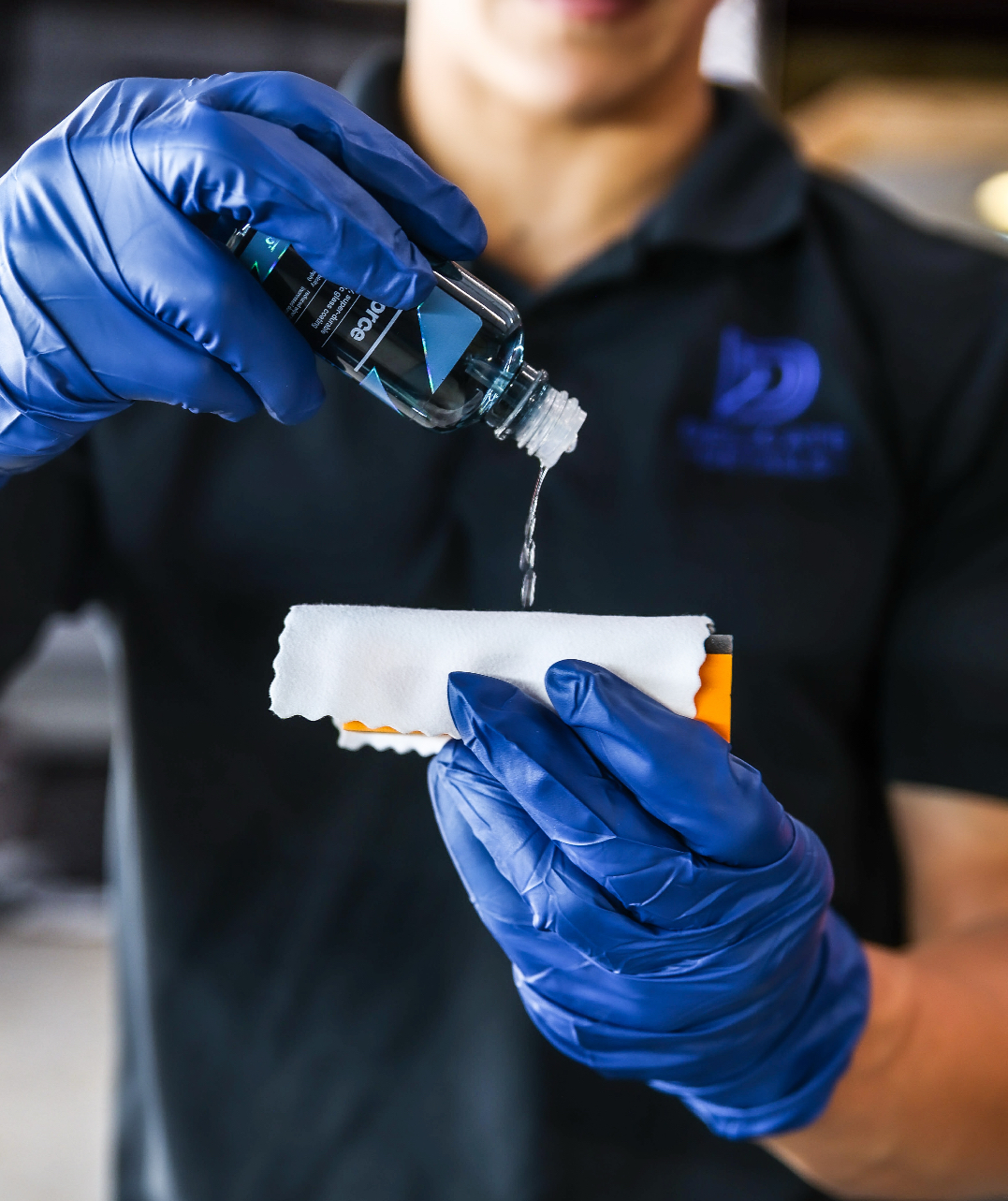
No. Ceramic coating is scratch resistant, not scratch proof. The 9H rating is a pencil-hardness test, not a real-world durability measure. A coating adds a thin sacrificial layer that shrugs off light marring and makes washing safer, but it will not stop rock chips, deep scratches, or damage from automatic car wash brushes.
This is the single most oversold claim in the coating industry, and it costs people money. Ceramic coating is genuinely worth it in West Texas — but not for the reason the ads suggest. Here's the honest version of what 9H means and what it protects you from.
What 9H Actually Refers To
9H is a pencil hardness rating. It comes from a test where pencils of increasing hardness are drawn across a cured coating to see which one leaves a mark, and 9H is the hardest pencil in that scale. It is not the Mohs mineral scale, where 9 would sit next to sapphire. A 9H coating is hard relative to clear coat — it is nowhere near as hard as the sand and grit that actually scratches cars.
What It Genuinely Protects Against
Chemical etching, UV oxidation, hard water spotting, and contamination bonding — those are real and measurable. In Lubbock that's most of what damages paint: mineral-heavy water that etches when it evaporates, 300-plus sunny days a year, and alkaline caliche dust. A coating handles all of that far better than wax does.
What It Does Not Stop
Rock chips. Deep scratches. Someone's shopping cart. Automated car wash brushes. A coating adds a thin sacrificial layer measured in microns; it does not add armor. If anything harder than the coating drags across it with force, you get a scratch — the same as you would without one.
Where the Real Benefit Shows Up
Washing. A coated car releases dirt with far less contact, and most swirl marks come from the wash process rather than the road. Reducing how hard you have to scrub is what actually keeps paint flat over years. That's the honest mechanism behind 'coatings prevent swirls' — it's indirect, and it's still real.
If a shop tells you a coating makes your car scratch proof, walk. That claim is either ignorance or a sales tactic, and it usually travels with skipped prep. A coating locks in whatever is underneath it, so the correction work matters more than the product name.
Ceramic coating is the right call for most vehicles here — for UV, hard water, and caliche, not for impact resistance. Buy it for what it actually does and it's one of the better decisions you can make for West Texas paint.
Related Reading
Ready to Protect Your Vehicle?
We'll inspect your paint and tell you exactly what it needs — most clients are booked within 48 hours.
Keep Your Coating Performing.
The Coat Plan is our monthly ceramic maintenance membership. pH-safe washes, iron decontamination, and SiO₂ topper every month. Priority scheduling, locked-in rate. No contracts.