Lifted Truck Detailing
in Lubbock TX
The real difference on a lifted truck is what packs into the wheel wells and frame: caliche bonds to the liners and stays there. Textured aftermarket fender flares hold it too and need brush work plus UV dressing. Coating pays off faster on a lifted truck than almost anything else: more front-end bug strike, more wheel well exposure, more surface area. Priced at truck tier from $240.
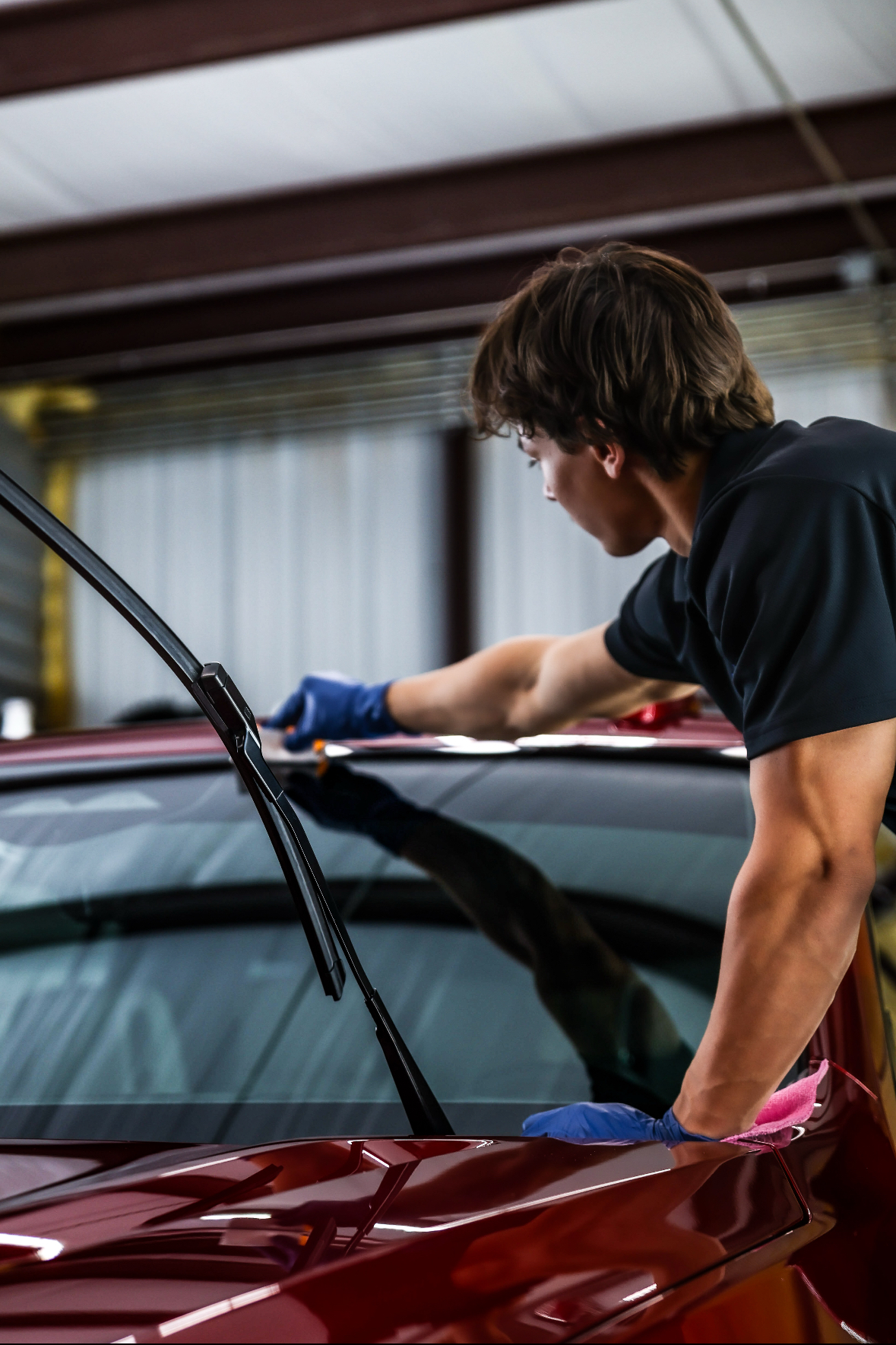
Lifted trucks are everywhere in Lubbock — and they're among the most rewarding vehicles to detail and the most time-consuming to do right. Between the wheel wells packed with caliche, the undercarriage exposure, the running boards and steps, and the sheer surface area of a lifted F-250 or Ram 2500, a proper detail takes significantly longer than on a stock vehicle.
Here's how we approach lifted truck detailing and what makes it different from a standard job.
What Changes With a Lifted Truck
Wheel Wells and Undercarriage
The single biggest difference with lifted trucks — especially those used on dirt roads or out in the fields — is what accumulates in the wheel wells and under the frame. Caliche dust bonds to the wheel well liners and frame rails in a way that a basic rinse doesn't address. We pressure wash the wheel wells and visible undercarriage before starting the exterior detail, so mud and dust aren't getting redistributed over the paint during the wash process.
For trucks that spend time on unpaved roads or job sites, we recommend undercarriage rinse as a standard step before every full detail. The amount of material that comes out of a wheel well on a West Texas work truck is substantial.
Running Boards and Steps
Powder-coated and aluminum running boards accumulate road grime, boot marks, and caliche faster than any other exterior surface. We clean them separately from the body panels — different products for aluminum vs. powder coat vs. plastic — and dress the rubber surfaces to prevent cracking. If you've got aftermarket steps or boards with texture, those require a brush to actually clean the non-slip surface.
Surface Area
A lifted crew cab long-bed is just more truck to detail. The bed alone is a significant work area — particularly if it has a bedliner that needs cleaning underneath, a toolbox with exterior surfaces, or spray-in liner that collects grime in the texture. We account for this in our pricing and timeline — a full-size lifted truck takes longer than a standard vehicle, and we don't rush it.
Tall Vehicle Logistics
Working on the roof of a lifted truck requires a step stool or ladder — something quick mobile detailers in parking lots often skip. The roof of an F-250 with a 6-inch lift is about 7 feet off the ground. We don't skip the roof.
What We Pay Attention to on Lifted Trucks
- Fender flares: Aftermarket flares often have texture that collects caliche and mud. Cleaned with a brush and dressed for UV protection.
- Bed rails and tonneau covers: Cleaned and conditioned. Vinyl tonneau covers need UV protectant in Lubbock heat.
- Suspension components: Visible lift kit components, coilovers, and control arms get wiped down as part of the undercarriage rinse.
- Aftermarket wheels: Many lifted trucks run aftermarket wheels with deep dish designs that trap brake dust and caliche. Takes more time to clean properly than factory wheels.
- Bug deflectors and window visors: Cleaned and dressed — often overlooked but noticeable when faded or grimy.
- Truck bed: Full clean including under any mats or liners, tailgate interior, and bed rails.
Ceramic Coating for Lifted Trucks
Ceramic coating on a lifted truck pays off faster than almost any other vehicle type. The added height means more bug splatter on the front end, more caliche exposure in the wheel wells, and more surface area collecting Lubbock UV and road grime. A coated truck cleans up in a fraction of the time of an uncoated one — which matters when you're washing a full-size lifted truck.
We regularly coat lifted trucks and can coat the exterior panels, wheels, and running boards in a single service. See our ceramic coating packages.
Lubbock truck owners: If your truck works oilfield or farm roads, plan a detail every 6–8 weeks. That material accumulates fast and bonds to paint, plastic, and trim if left long enough. Staying ahead of it is significantly cheaper than deep restoration work after years of buildup.
Pricing for Lifted Truck Detailing
All trucks are priced at the truck tier regardless of lift height. Our Essential Detail starts at $240 for a standard truck — lifted trucks with heavy contamination, large aftermarket wheels, or significant bed work may be quoted slightly higher based on condition. Text us your truck and we'll give you an honest number.
Related Reading
Bring Your Truck In
Lubbock's lifted truck capital. We know how to detail them right — text us your make, model, lift, and condition for a straight price.