Paint Correction Aftercare:
How to Protect Your Results
No washing, no water, no wiping for 48 hours — correction leaves compounding residue in the clear coat that needs time to clear. Then protect it. Fresh corrected paint with no protection is refinished hardwood with no finish on it. The thing that undoes correction fastest is the same thing that caused the damage: bad washing habits.
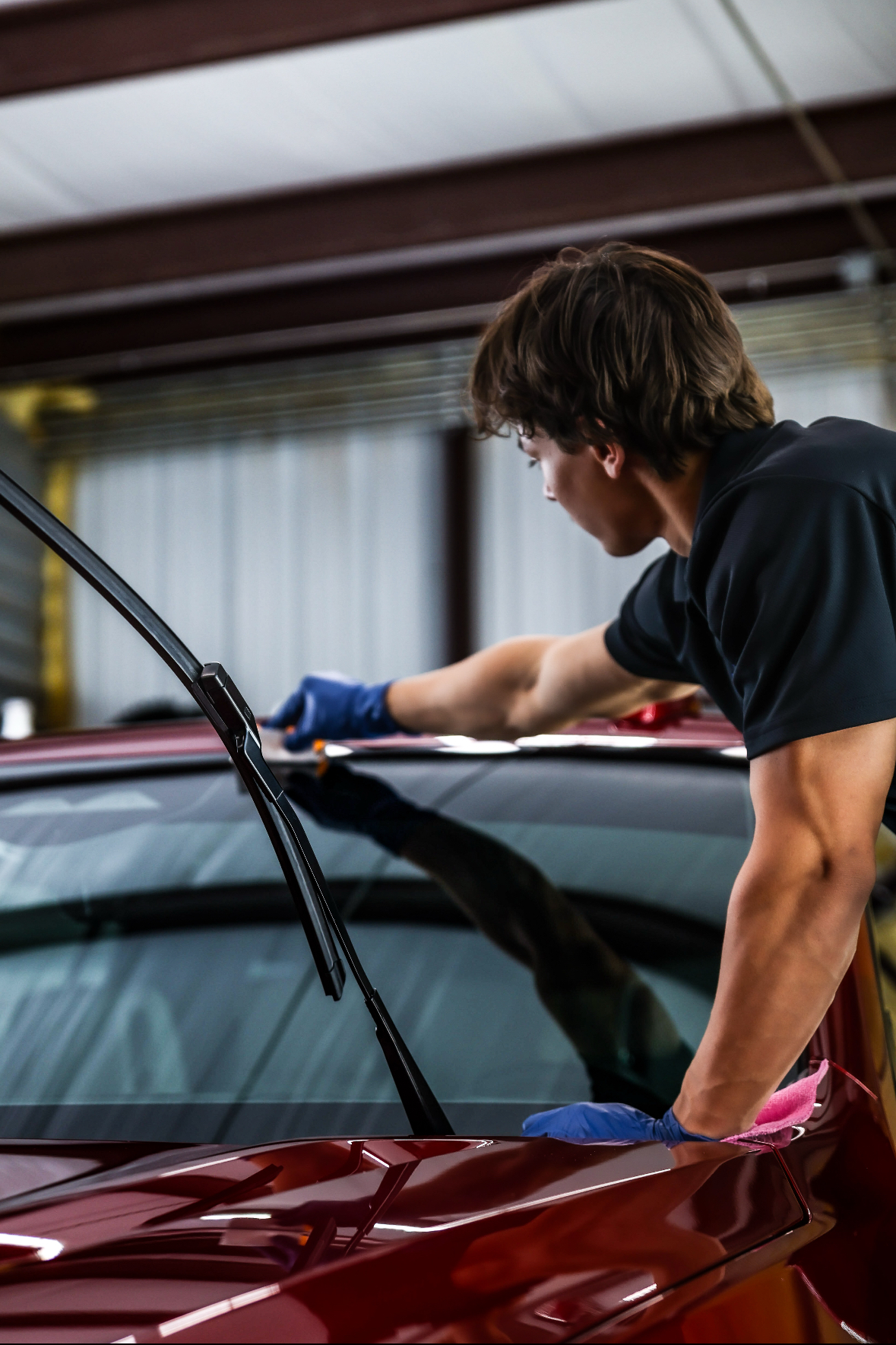
Paint correction is machine polishing — it physically removes a thin layer of clear coat to eliminate swirl marks, scratches, water spots, and oxidation. The result is paint that looks new again. But there's something important to understand about what just happened to your car: the process that makes it look incredible also leaves it temporarily more exposed than it was before.
The old scratched, oxidized layer that contamination was bonding to? That's gone. What's left is fresh clear coat — clean, smooth, and completely unprotected until you do something about it. This guide covers exactly what to do and what to avoid after paint correction so your results actually hold up.
Critical: Paint correction removes existing damage. It does not prevent future damage. If you go back to the same washing habits that created the scratches in the first place, you'll be in the same position in 18–24 months. The protection step isn't optional.
The First 48 Hours
Paint correction leaves oils and compounding residue in the clear coat that need time to fully clear. During this window, a few things matter:
- No washing for 48 hours. Water on freshly corrected paint can interfere with any sealant or coating that was applied, and wet paint is more prone to picking up contamination while it's in this state.
- No rain exposure if possible. Park in a garage if you have one. If you don't, it's not catastrophic if it rains — just don't wash the car intentionally.
- Don't wipe the paint. No spray detailers, no quick-detail sprays, nothing on the paint surface for 48 hours. Any abrasion during this period can pull polishing oils back up and leave haziness on dark-colored paint.
- No car washes of any kind. Not touchless, not hand wash, definitely not brush car washes.
Do This After 48 Hours
- Hand wash with pH-neutral soap
- Two-bucket method with grit guards
- Dry immediately and completely
- Apply spray sealant or ceramic coating
- Inspect paint in direct sunlight
- Park in shade or garage when possible
Never Do This
- Brush-style automatic car washes
- Dish soap or alkaline cleaners
- Chamois or old terry cloth on paint
- Dry-wiping caliche dust off the surface
- Leaving paint unprotected long-term
- Any abrasive product near the corrected areas
Protecting the Paint After Correction
This is the most important decision you'll make after paint correction. Fresh, corrected paint without protection is like refinishing hardwood floors and leaving them with no finish. The work holds up differently depending on what you put on top of it.
Most clients combine correction + coating in one appointment. We do the correction, inspect the paint under lighting, then apply the ceramic coating the same day. This saves you a day waiting for the 48-hour window and ensures the coating goes on perfectly corrected paint. Ask us about bundling these when you book.
Long-Term Washing After Paint Correction
The biggest cause of paint correction work being undone quickly is the same thing that caused the damage in the first place — bad washing habits. Here's what that means specifically:
Two-Bucket Method Is Non-Negotiable
Swirl marks come from dragging abrasive particles across paint. The source of those particles is almost always a contaminated wash mitt. Two-bucket washing keeps grit isolated in the rinse bucket instead of being redistributed across the paint with every pass.
One bucket with pH-neutral soapy water. One bucket with clean rinse water and a grit guard at the bottom. Dip in soap, wash a panel, rinse mitt in clean water before going back. That's it. This single habit, done consistently, is what separates paint that stays corrected for five years from paint that needs correcting again in two.
No Brush Car Washes — Permanent Rule
This is where most paint correction damage comes from in the first place. The rotating brushes and cloth strips in drive-through car washes drag contamination across the paint at speed. Over time — sometimes quickly — they introduce the same swirl patterns and fine scratches that correction just removed.
If you're routinely going through brush car washes, don't spend money on paint correction. The results won't last, and you'll be frustrated. Touchless washes are fine. Hand washing is better. Brush washes undo the work.
pH-Neutral Soap Only
Dish soap strips whatever protection is on the paint — wax, sealant, or coating. Repeated use of alkaline cleaners on corrected paint without adequate protection will accelerate re-oxidation. Buy a dedicated car wash soap and use it. The brands don't matter much — just make sure it's pH-neutral.
How to Tell If Your Results Are Holding
Check your paint under direct sunlight every few months — not under shade, not in a garage. Direct sun shows swirl marks and fine scratches clearly on dark-colored paint. Early signs of re-contamination:
- Fine circular swirl marks appearing in the clearcoat when viewed in sunlight
- Paint that's lost its reflective depth — looks dull compared to when it was fresh
- Water no longer beads properly (indicates protection is gone)
- Surface feels rough to the touch after washing — contamination embedding in the clear coat
If you're seeing the first two symptoms, it's time to evaluate whether a light enhancement polish can address it before it gets worse. If you're at the point of deep scratches visible in normal light, that's a single-step or two-step correction conversation.
Catch scratches early. A paint enhancement ($200+) addresses light swirls before they become deep scratches. A two-step correction ($350+) handles more significant damage. The longer you wait, the more aggressive the correction needs to be.
What Paint Correction Can and Can't Do
This is worth being clear about because it affects expectations:
Paint correction can remove: swirl marks, fine scratches that haven't penetrated through the clear coat, water spot etching, light oxidation, and surface contamination bonded to the clear coat.
Paint correction cannot remove: scratches that go through the clear coat and into the color coat, rock chips, deep gouges, panel damage, or rust. These require body work, not polishing.
If we find damage during the correction process that's deeper than we can safely polish, we'll tell you before continuing. We're not going to burn through your clear coat chasing a scratch that needs paint — that would leave you with a bigger problem.
Summary: The Short Version
- No washing, no water, no wiping for 48 hours
- Protect the paint immediately after — ceramic coating is the best option
- Never use a brush-style car wash again
- Two-bucket hand wash with pH-neutral soap every time
- Address new damage early, before it requires heavy correction
- Check your paint in direct sunlight 1–2× per year
Related Reading
Ready to Book Paint Correction?
We offer Enhancement, Single-Step, Two-Step, and Three-Step paint correction depending on the severity of your paint damage. Bundle with ceramic coating for the best long-term result.