Paint Correction Aftercare:
How to Protect Your Results
Paint correction itself does not require a universal 48-hour waiting period. Follow the cure instructions for any sealant or coating applied afterward. Then use a gentle hand wash, clean towels, and prompt contaminant removal to reduce new wash marks.
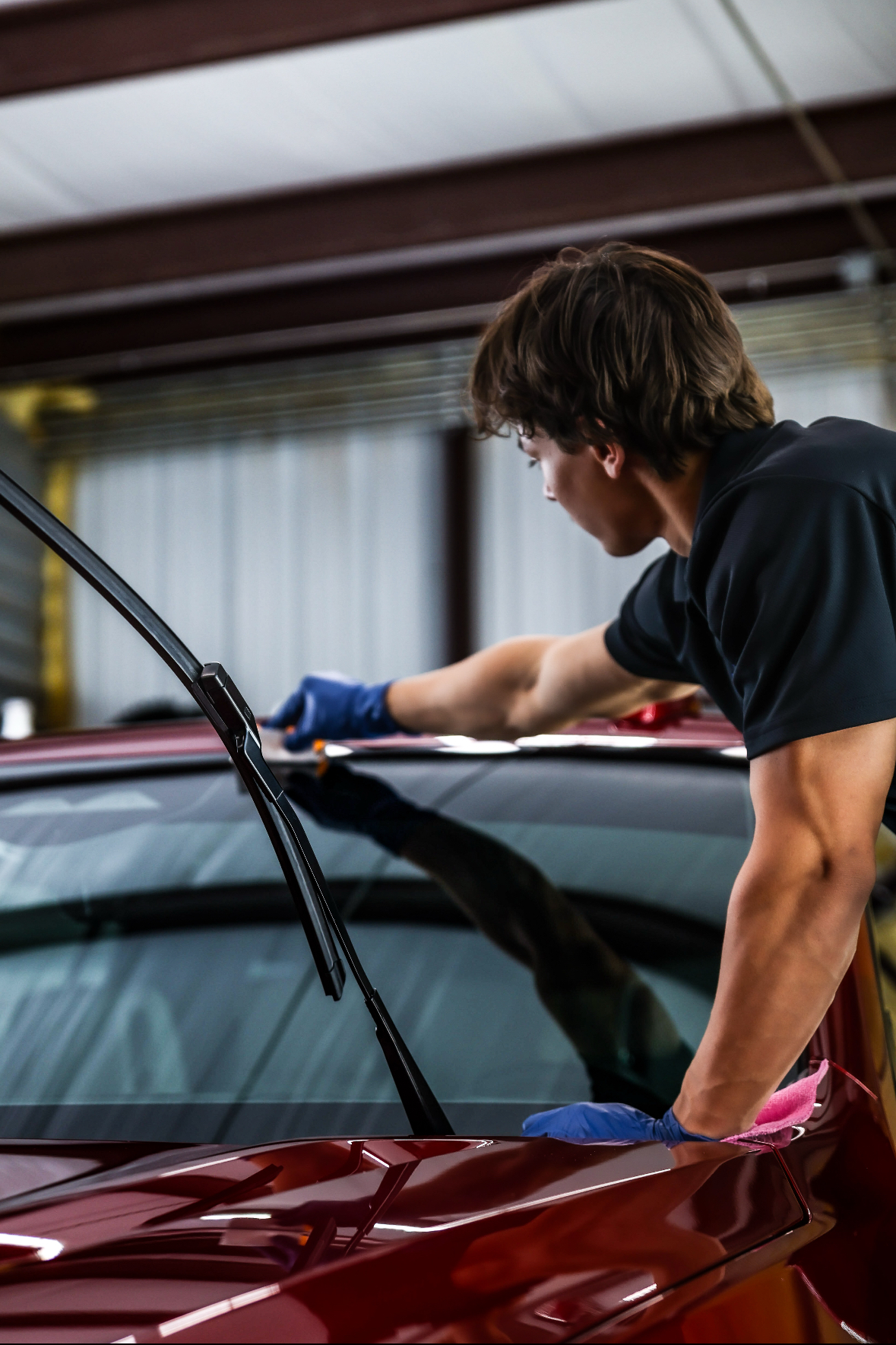
Paint correction is controlled machine polishing that removes a small amount of clear coat to improve defects that can be corrected safely. Results depend on defect depth, paint thickness, and the level of correction selected; deep scratches, failed clear coat, and some etching may remain.
Polishing can also remove or weaken waxes and sealants already on the surface, so the detailer should apply the protection agreed for the job. This guide explains how to care for that finish without overstating what polishing or protection can do.
Important: Paint correction improves existing clear-coat defects; it does not prevent new ones. Protection can make cleaning easier, but careful washing remains the biggest factor you control.
The First Hours Depend on the Protection Applied
Correction does not create one universal cure window. The correct aftercare depends on whether the paint left the shop bare or received a wax, sealant, or ceramic coating. Follow the installer and product instructions for that specific protection.
- If a coating was applied: observe the installer-provided water-exposure and wash window for that product.
- If a sealant or wax was applied: follow its stated cure directions before washing or adding another product.
- If the paint was left unprotected: arrange suitable protection and avoid aggressive washing in the meantime.
- Avoid unnecessary wiping. Dust and grit can mark a freshly polished finish at any time; remove them with a proper wash rather than a dry towel.
- Skip brush washes. Follow the product-specific wait time before the first safe hand wash.
Do This After the Stated Cure Window
- Hand wash with pH-neutral soap
- Two-bucket method with grit guards
- Dry immediately and completely
- Use only protection products compatible with what is already applied
- Inspect paint in direct sunlight
- Park in shade or garage when possible
Never Do This
- Brush-style automatic car washes
- Dish soap or alkaline cleaners
- Chamois or old terry cloth on paint
- Dry-wiping caliche dust off the surface
- Leaving paint unprotected long-term
- Any abrasive product near the corrected areas
Protecting the Paint After Correction
Protection is worth deciding before the correction appointment. Wax, sealant, and ceramic coating offer different durability, maintenance, and price tradeoffs; none prevents scratches or rock chips.
Correction and coating can be planned in one appointment. We inspect the paint, use the least aggressive correction appropriate for the agreed goal, then apply the selected coating according to its installation process. Ask us about combining them when you book.
Long-Term Washing After Paint Correction
The biggest cause of paint correction work being undone quickly is the same thing that caused the damage in the first place — bad washing habits. Here's what that means specifically:
Use Clean Wash Media and Separate Rinse Water
Swirl marks can come from dragging abrasive particles across paint. A dirty wash mitt is one common source. A separate rinse bucket or frequently replaced clean media helps reduce the amount of grit returned to the paint.
Use one bucket with compatible automotive shampoo and one with clean rinse water and a grit guard. Wash a small section, rinse the mitt thoroughly, and replace visibly contaminated media instead of relying on a fixed lifespan claim.
No Brush Car Washes — Permanent Rule
This is where most paint correction damage comes from in the first place. The rotating brushes and cloth strips in drive-through car washes drag contamination across the paint at speed. Over time — sometimes quickly — they introduce the same swirl patterns and fine scratches that correction just removed.
Brush-style washes can reintroduce the defect pattern correction was meant to improve. Touchless wash chemistry varies; careful hand washing with clean media provides the most control over contact and product choice.
Use a Compatible Automotive Shampoo
Use an automotive shampoo compatible with the wax, sealant, or coating on the paint. Follow its dilution and dwell directions; pH alone does not determine compatibility, and household cleaners are not designed as routine paint shampoos.
How to Tell If Your Results Are Holding
Check your paint under direct sunlight every few months — not under shade, not in a garage. Direct sun shows swirl marks and fine scratches clearly on dark-colored paint. Early signs of re-contamination:
- Fine circular swirl marks appearing in the clearcoat when viewed in sunlight
- Paint that's lost its reflective depth — looks dull compared to when it was fresh
- Water no longer beads properly (indicates protection is gone)
- Surface feels rough to the touch after washing — contamination embedding in the clear coat
If you're seeing the first two symptoms, it's time to evaluate whether a light enhancement polish can address it before it gets worse. If you're at the point of deep scratches visible in normal light, that's a single-step or two-step correction conversation.
Catch scratches early. A paint enhancement ($200+) addresses light swirls before they become deep scratches. A two-step correction ($350+) handles more significant damage. The longer you wait, the more aggressive the correction needs to be.
What Paint Correction Can and Can't Do
This is worth being clear about because it affects expectations:
Paint correction may improve: swirl marks, fine scratches that have not penetrated through the clear coat, some water-spot etching, light oxidation, and buffer trails when there is enough healthy clear coat to work safely.
Paint correction cannot remove: scratches that go through the clear coat and into the color coat, rock chips, deep gouges, panel damage, or rust. These require body work, not polishing.
If we find damage during the correction process that's deeper than we can safely polish, we'll tell you before continuing. We're not going to burn through your clear coat chasing a scratch that needs paint — that would leave you with a bigger problem.
Summary: The Short Version
- Follow the cure and first-wash instructions for the protection actually applied
- Choose wax, sealant, or ceramic coating based on your budget and maintenance plan
- Never use a brush-style car wash again
- Two-bucket hand wash with pH-neutral soap every time
- Address new damage early, before it requires heavy correction
- Check your paint in direct sunlight 1–2× per year
Related Reading
Ready to Book Paint Correction?
We offer Enhancement, Single-Step, Two-Step, and Three-Step paint correction depending on the severity of your paint damage. Bundle with ceramic coating for the best long-term result.