Winter Vehicle Protection
in Lubbock, TX
Road treatment chemicals used ahead of a freeze are corrosive to unprotected metal and harsh on clear coat, especially around wheel wells and lower panels where spray concentrates. A coating's chemical resistance means de-icing residue has a much harder time bonding. Our shop is indoor and climate-controlled, so winter does not affect install quality: but get it done before the first hard freeze.
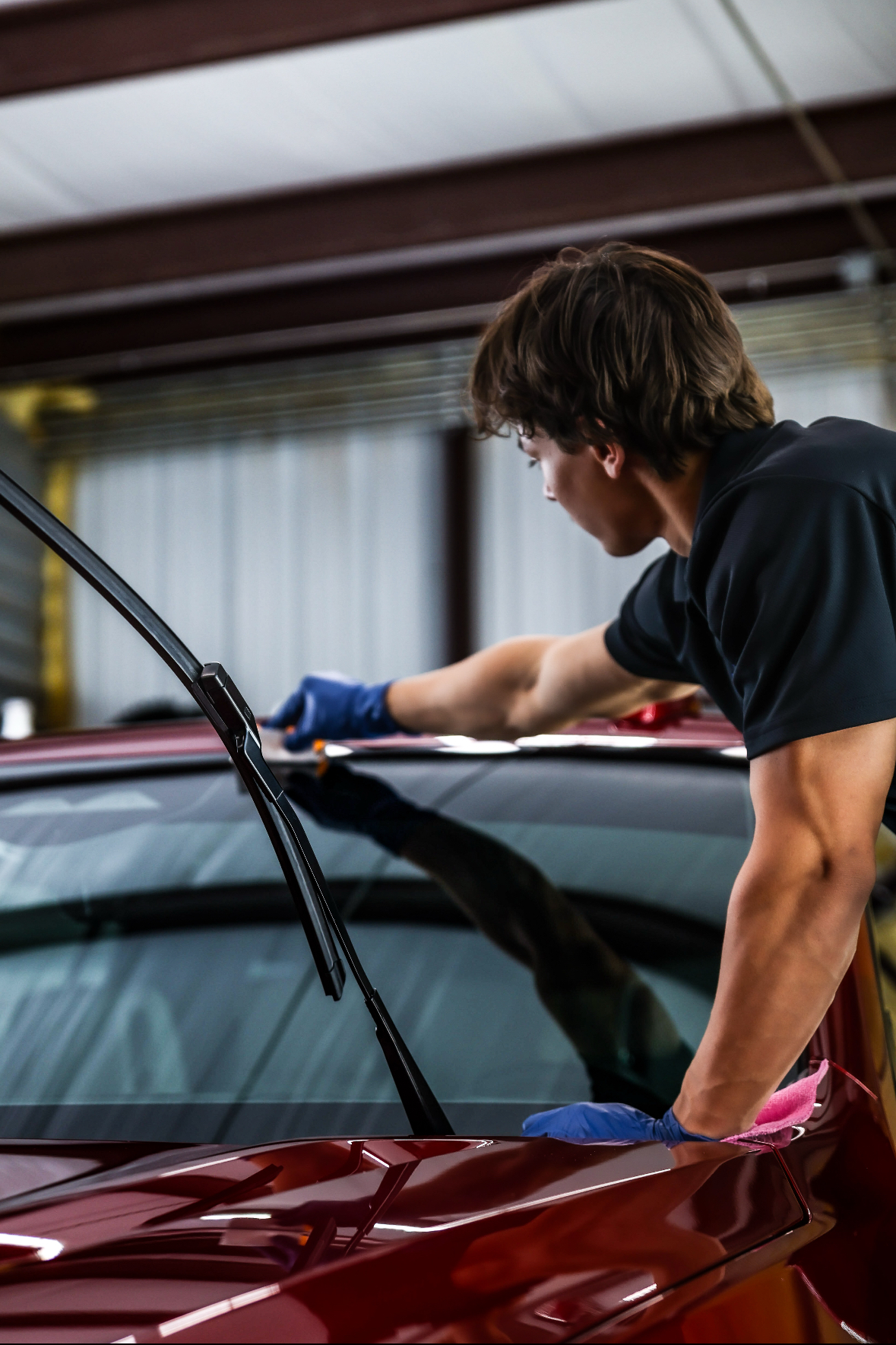
Lubbock doesn't get brutal winters compared to the northern half of the country, but the cold snaps we do get — combined with ice melt chemicals and sudden temperature swings — still take a real toll on unprotected paint.
What Actually Happens in a West Texas Winter
Ice Melt and De-Icing Chemicals
Road treatment chemicals used during freezes are corrosive to unprotected metal and can be harsh on clear coat with repeated exposure, especially around wheel wells and lower body panels where road spray concentrates.
Freeze-Thaw Cycles
Lubbock's winter temperature swings mean paint expands and contracts more than it would in a consistently cold climate. Existing micro-cracks or swirl marks can worsen faster under this kind of cycling.
Reduced Wash Frequency
Fewer people wash their cars in the cold, which means road grime and chemical residue sit on paint longer than they would in warmer months.
Why Coated Vehicles Handle Winter Better
A ceramic coating's chemical resistance means road salt and de-icing residue have a much harder time bonding to the surface, and the hydrophobic property means fewer wash sessions are needed to keep the vehicle clean — useful when you're less motivated to wash in cold weather anyway.
Wheel ceramic coating is especially valuable heading into winter — wheels take the brunt of road spray and ice melt chemical exposure, and a coated wheel face wipes clean in a fraction of the time.
Booking Ahead of Cold Snaps
Our shop is indoor and climate-controlled, so winter weather doesn't affect install quality — but we do recommend getting protection in place before the first hard freeze rather than after a season of exposure.
Related Reading
Ready to Protect Your Vehicle?
We'll inspect your paint and tell you exactly what it needs — we will share current appointment availability.
Keep Your Coating Performing.
Founding memberships are $99 for Exterior Detail, $149 for Full Detail, or $249 for Premium Detail. Each option has one set rate for qualifying cars, trucks, and SUVs.