Ceramic Coating on White Cars:
What It Does and Why Lubbock Owners Choose It
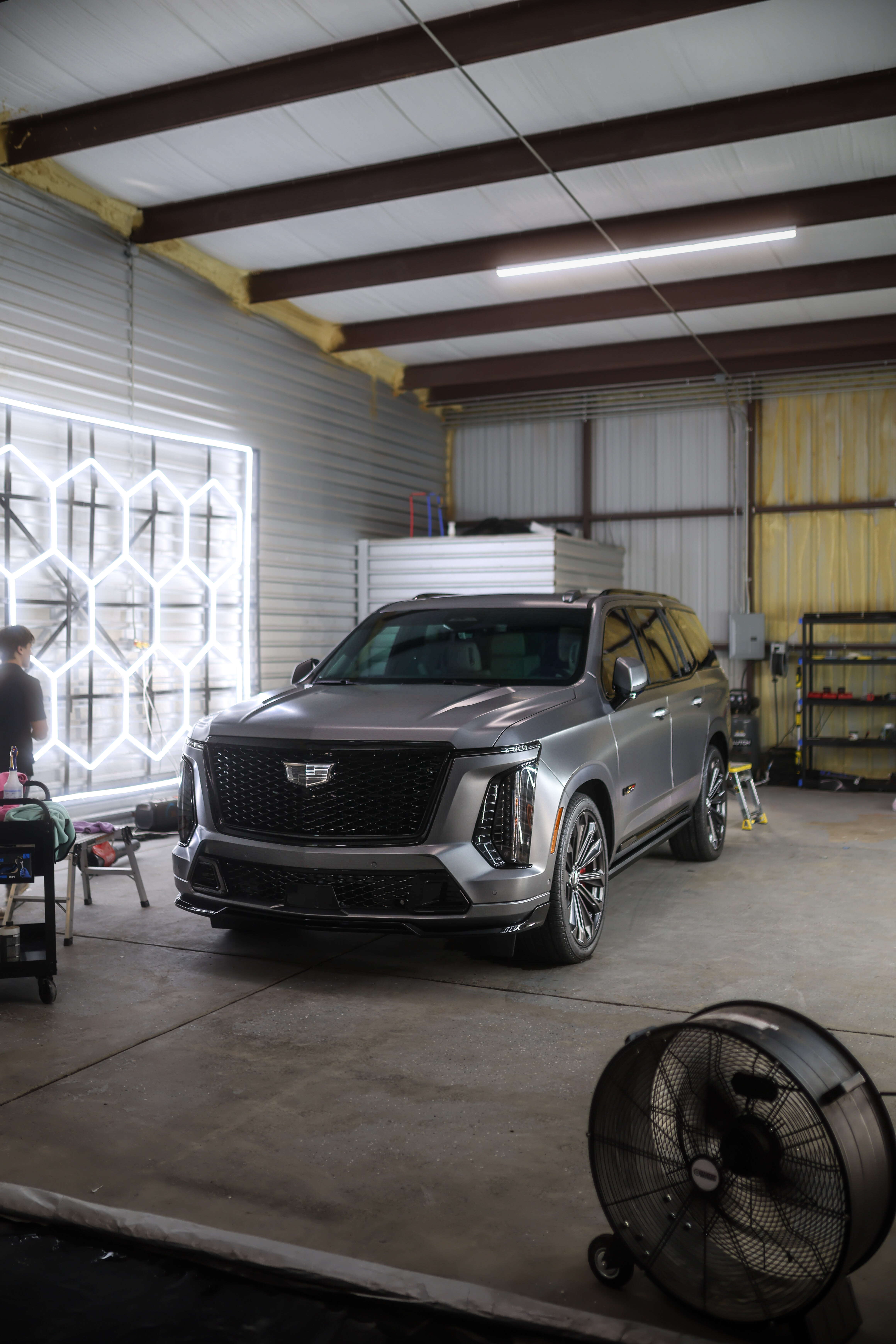
White is the most popular vehicle color in Lubbock — white trucks, white SUVs, white work vehicles. It reflects heat better than dark colors, it's clean-looking at the dealership, and it holds resale value broadly. The problem: white paint in West Texas looks terrible within a year of ownership if it's not protected. Here's why, and what ceramic coating does about it.
The Problem With White Paint in West Texas
Mineral Deposits Show Immediately
Lubbock's water supply has high mineral content — calcium, magnesium, and other dissolved minerals that leave white spots when water evaporates on paint. On dark paint, these spots are visible but tolerable. On white paint, they create a haziness that makes the entire vehicle look dull within weeks of a rain. Over months without treatment, mineral deposits etch into the clear coat — permanent damage that requires polishing to remove.
Caliche Mud Is the Color of White Paint
White caliche dust blends into white paint and is invisible until you get close or get it wet. By the time you've driven a white truck on a caliche road and back into town, the vehicle looks clean in dim light — but is actually coated in fine abrasive dust that will scratch the paint if it's dragged across by a wash mitt or blown off the wrong way. White paint also shows the swirl marks from improper washing more clearly under sunlight than any other color.
UV Doesn't Discriminate by Color
White paint doesn't fade as dramatically as red or blue under UV — but the clear coat still oxidizes. White vehicles with neglected clear coats develop a chalky, flat appearance that no amount of washing fixes. The paint underneath is fine; the clear coat has degraded from UV exposure.
White paint hides contamination until it doesn't. A white truck looks passable in a parking lot and looks terrible in direct sunlight from twenty feet. Ceramic coating makes the difference between paint that stays genuinely clean and paint that just looks clean at the right distance.
What Ceramic Coating Does for White Paint
Mineral Deposit Resistance
The hydrophobic surface of ceramic coating causes water to bead and sheet off instead of spreading across the paint and evaporating in place. When water doesn't dwell on the surface, minerals can't deposit. The difference between a coated white vehicle and an uncoated one after a Lubbock rain is visible within the first rinse — one has water spots, one doesn't.
Easier Contamination Removal
Caliche dust doesn't bond to ceramic-coated surfaces the way it bonds to bare paint. A coated white vehicle can often be cleaned with a pressure rinse. An uncoated white vehicle needs a full hand wash with careful technique to avoid grinding the dust into the clear coat as swirl marks.
UV Protection Extends Clear Coat Life
Ceramic coating's UV inhibitors protect the clear coat from the oxidation that creates that chalky, faded look on white vehicles. The coating blocks UV every day without reapplication — the protection is permanent until the coating itself eventually degrades, which at the Elite 10-Year tier means a decade.
Gloss Amplification
White paint with a properly applied ceramic coating has a different quality of finish than uncoated white paint. The depth and clarity of the surface are noticeably better — white paint that looks flat and dull becomes bright and reflective. This is the result of the coating filling micro-surface imperfections and adding a layer of optical clarity over the base color.
White Vehicles We've Coated
Our recent GMC Yukon Denali in Summit White — 10-Year Elite package with full wheel ceramic, windshield coating, and front window tint — is a perfect example of what white paint looks like with the right treatment. The finish has the kind of clarity and brightness that stock white paint at the dealer doesn't achieve. That's what paint correction plus professional ceramic coating does.
We regularly coat white F-150s, Silverados, Ram trucks, Tahoes, Suburbans, and Yukons — the dominant vehicle types in Lubbock. White is our most common color, and we know exactly how to prep and coat it for maximum performance in West Texas conditions.
Related Reading
Protect Your White Vehicle
Call or get a quote online. We'll inspect the paint and recommend the right package to keep your white truck or SUV looking right for years.
Keep Your White Paint Clean Every Month.
Monthly pH-safe washes, iron decon, and SiO₂ topper. Priority scheduling, locked-in rate. No contracts.