Detailing Aftercare:
How to Keep It Looking Fresh
Follow the written pickup instructions for the materials cleaned and the protection applied. Drying and cure timing vary by product and surface. After that, careful washing, prompt spill cleanup, and condition-based maintenance help preserve the work.
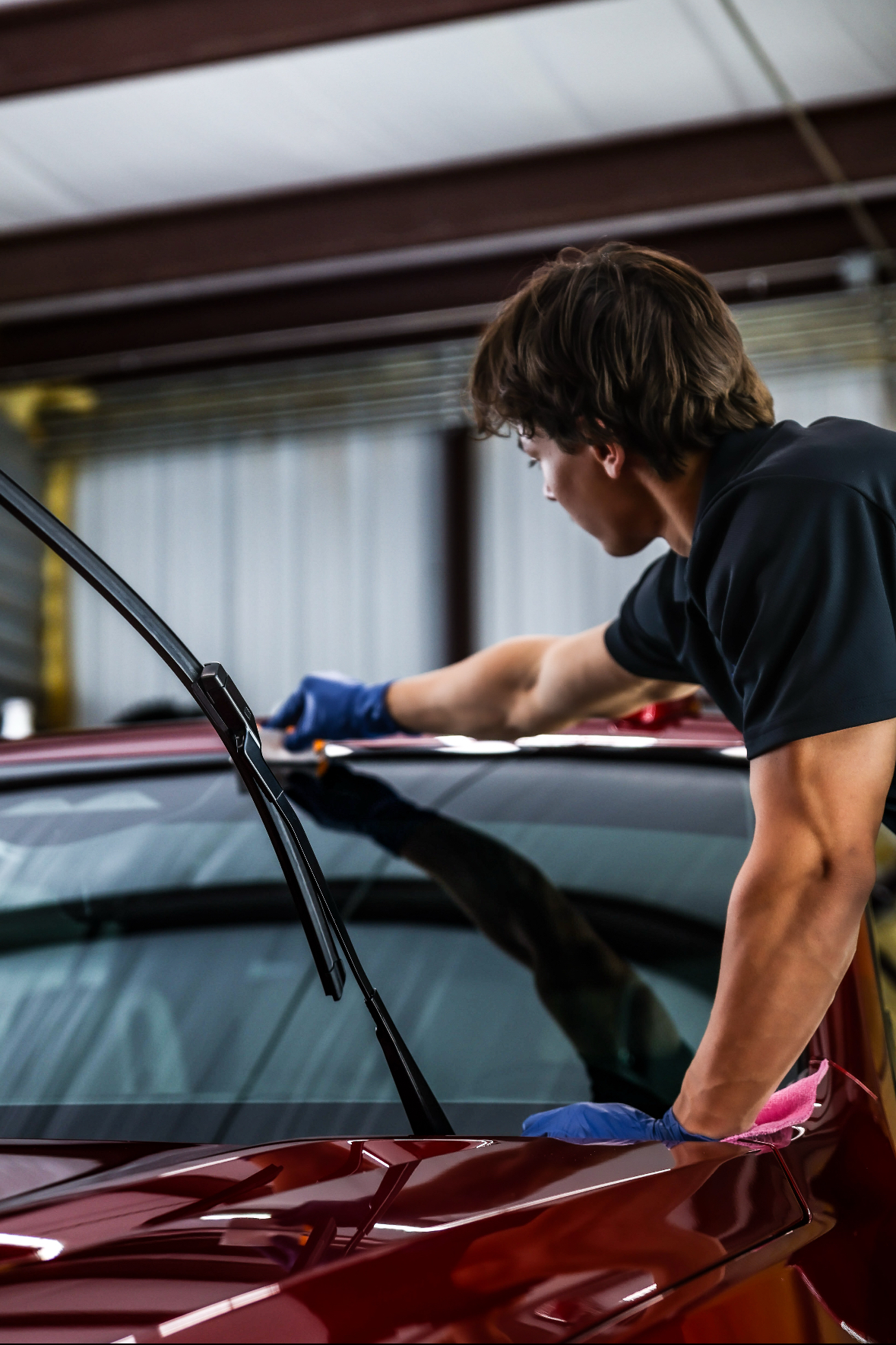
A proper detail is a reset matched to the package and condition of the vehicle. How long the result holds depends on use, storage, weather, the products applied, and the habits that follow.
Some clients drive out and the results last three or four months. Others come back in six weeks because the interior is already dingy again. The difference isn't luck — it's what they do (and don't do) after the service. Here's the full breakdown from us.
What service did you get? This guide covers all three of our detailing packages — Essential Detail, Full Reset & Protect, and Premium Detail. The Premium Detail includes paint correction prep and a 6-month paint sealant, so the exterior guidance is more important for that package.
The First Hours: Follow the Service-Specific Instructions
Some protectants need drying or cure time; others do not share the same window. At pickup, confirm which surfaces received a product and what timing applies.
Interior
- Ventilate damp fabric when instructed and use climate-appropriate airflow so carpet or upholstery can finish drying.
- Keep items off treated surfaces for any product-specific time listed at pickup.
- Clean new spills promptly using a method compatible with the affected material.
- Kids and pets: if they're in your car daily, they'll work against your results faster than anything else. That's just reality. See the maintenance section below for how to stay ahead of it.
Exterior
- Use the stated first-wash time. If a sealant, wax, or coating was applied, follow the written timing for that exact product.
- Park away from trees for the first couple of days if you can. Sap and bird droppings on freshly cleaned paint are more annoying than dangerous, but there's no reason to deal with them immediately after a fresh detail.
- Don't run through a car wash. This should go without saying — but a brush car wash right after a detail defeats the entire purpose. It scratches the paint, strips the sealant, and costs you the results you just paid for.
Leather seats specifically: We use a professional conditioner that needs several hours to fully absorb. Sitting on leather seats for extended periods immediately after detailing can compress the product before it absorbs. Give it a few hours when possible.
Exterior Maintenance After a Detail
If your car is ceramic coated, read the ceramic coating aftercare guide — the coating rules take priority. If it's not coated, here's how to maintain the exterior protection from your detail.
Washing
Use an automotive shampoo compatible with the protection on the vehicle, at the dilution and dwell time on its label. Avoid household cleaners as a routine paint wash unless the protection manufacturer specifically approves them.
Two-bucket method when you're hand washing: one bucket with soapy water, one with clean rinse water and a grit guard in the bottom. Rinse your mitt in the clean bucket before reloading with soap. This keeps grit off the paint and off your wash mitt.
Touchless washes avoid brush contact, but chemistry and rinse quality vary. Brush washes can drag contamination across the finish and create defects, so a careful hand wash gives you more control.
Between Washes
A quick detailer spray is your best friend between washes. Mist it on and wipe with a clean microfiber to remove light dust, fingerprints, and bird droppings without a full wash. We like CarPro Ech2O or any of the major brand spray detailers. Takes two minutes and keeps the paint looking fresh without dragging abrasives across it.
Protecting the Exterior Long-Term
The Full Reset & Protect and Premium Detail packages include a spray sealant that lasts approximately 4–6 months. Once that window passes, the paint is less protected. Options:
- Monthly spray wax or sealant: Apply a spray sealant after every other wash to maintain protection. Takes 5 minutes.
- Ceramic coating: One coating application protects for 2–10 years depending on the package. If your car is worth maintaining, it's the more economical option long-term. See our ceramic coating packages.
Interior Maintenance After a Detail
Keeping an interior looking detailed is mostly about preventing buildup before it happens, not cleaning it after it's already embedded.
Weekly Habits That Actually Help
- Shake out floor mats weekly — caliche and sand from Lubbock roads accumulate fast and grind into carpet
- Wipe dashboard and console with a dry or slightly damp microfiber — prevents dust buildup from becoming grime
- Remove trash at the end of every day — it's obvious but it's the most common reason interiors get bad fast
- Keep a pack of interior wipes in the car for spills — the faster you get to them, the less they stain
What Destroys Interior Results Fastest
What Kills a Fresh Interior
- Fast food bags left overnight — smell absorbs into fabric fast
- Wet dogs on cloth seats — odor is incredibly difficult to remove
- Coffee and drinks without lids
- Kids with snacks in the back seat
- Armor All on leather — it dries it out over time
- Leaving windows up in direct Texas sun — bakes odors in
- Fabric freshener sprays instead of actual odor elimination
What Extends Your Results
- Seat covers if you have kids or dogs regularly
- WeatherTech-style floor mats — easy to rinse and contain mess
- Quick interior wipe-down every week
- Parking in shade when possible
- Cracking windows on hot days to prevent heat-baked odors
- Real leather conditioner every few months (not Armor All)
- Dedicated interior detailer spray for surfaces
How Often Should You Rebook?
Essential Detail
Basic maintenance wash and interior clean. Good for daily drivers that need regular upkeep without deep work.
Full Reset & Protect
The paint sealant in this package lasts about 4–6 months. Timing the next service with sealant expiration makes sense.
Premium Detail
A full deep clean and paint correction prep. Once or twice a year keeps the car in showroom condition without overspending.
Problem Areas
Staining, odor that won't leave, swirl marks on paint, embedded grime in trim — these get harder to remove the longer they sit.
The general rule: stay ahead of buildup instead of playing catch-up. A quarterly detail is easier and cheaper than an annual deep clean where we have to extract three months of embedded grime and pet hair from the seats.
Signs It's Time to Book Again
- Water doesn't bead on the paint — the sealant is gone
- Interior smells like anything other than nothing
- Plastic trim is faded or turning gray
- Leather feels dry, stiff, or is starting to crack at stress points
- You're embarrassed to have someone in your car
- The car is going up for sale and you want factual cleaning, presentation, and condition documentation without a promised resale return
Lubbock-specific: The dust and caliche around here accumulate faster than most markets. If you drive on unpaved roads or your car sits outside, plan on more frequent interior cleanings than you might in other cities.
Related Reading
Ready to Book Your Next Detail?
Three packages to choose from — Essential Detail, Full Reset & Protect, and Premium Detail. Text or call with the vehicle, condition, priorities, and photos so we can review the right scope and pricing.