How Long Does Ceramic Coating Last?
What Lubbock Weather Actually Does to Your Paint
Correction has to come first, and that is the step most shops skip to win a price comparison. A coating bonds chemically to your clear coat and cannot come off without machine polishing: so whatever the paint looks like on application day is what you keep. West Texas is genuinely one of the harder coating environments in the country: high UV, mineral-heavy water, abrasive caliche.
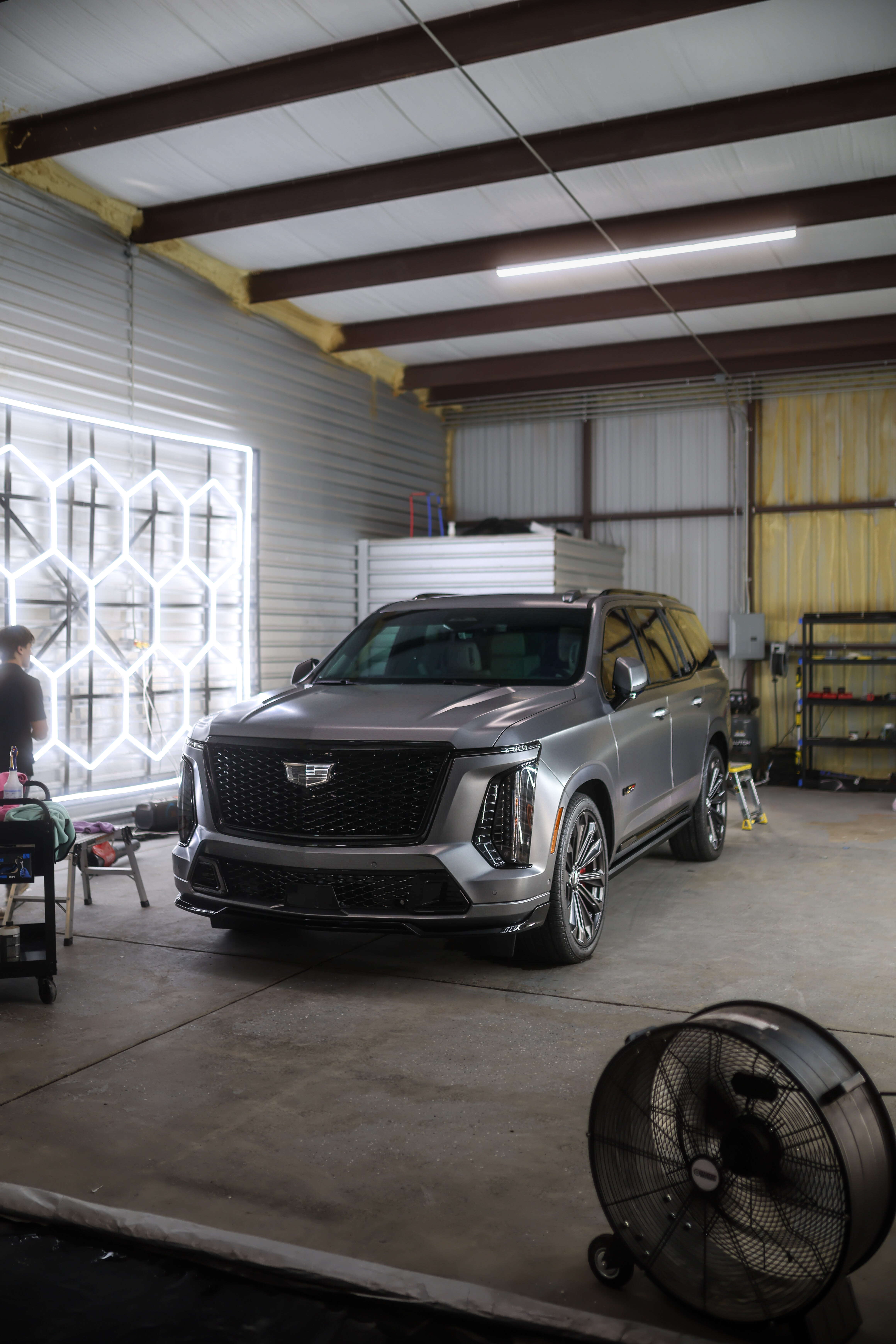
The short answer: anywhere from 1 year to 10 years, depending on which coating you put on and how you take care of it afterward. But that range is almost useless without context — because two vehicles treated on the same day can look completely different three years later depending on how they were maintained and what they were exposed to.
Here's the more useful answer, and why living in Lubbock specifically changes the math.
The Tier Breakdown
Not all ceramic coatings are the same product. Consumer-grade coatings you can buy at AutoZone are different from professional-grade ceramic coatings installed by a trained applicator in Lubbock. The difference isn't just marketing — it's the SiO2 concentration, thickness of cure, and the conditions under which they're applied.
At Delicate Details we use CarPro ceramic coatings exclusively. Here's how the tiers compare:
| Coating | Rated Lifespan | Best For |
|---|---|---|
| 2-Year | 2–3 years | Daily drivers that see regular highway miles and West Texas dust |
| 5-Year | 4–6 years | Vehicles you plan to keep — trucks, SUVs, daily drivers worth protecting long-term |
| 10-Year | 8–10+ years | Show cars, high-end builds, vehicles you want protected for the long haul |
These lifespans assume proper installation and maintenance. Skip the maintenance and you'll come in well under those numbers regardless of which tier you chose.
What Lubbock Does to Your Paint (and Your Coating)
West Texas is legitimately one of the harder environments for paint in the country. Three things specifically accelerate coating degradation here compared to somewhere like Seattle or Denver:
UV Exposure
Outdoor storage, sun exposure, mileage, contamination, and wash chemistry all affect real-world coating performance. A daily driver parked outside usually sees more exposure than a lightly driven garage-kept vehicle, but the installed product and maintenance plan matter too. The package term should be read with its written care requirements, not as a maintenance-free guarantee.
Alkaline Dust and Caliche
The dust out here is high in calcium carbonate — the same stuff that makes water spots so hard to remove from uncoated paint. It's mildly alkaline, and when it sits on bare clear coat and gets wet and dry repeatedly, it etches. A ceramic coating's hydrophobic properties mean water and dust sheet off instead of sitting on the surface, which is a real functional difference in this climate — not just a sales pitch.
Hail Season
Ceramic coating won't stop a hailstone from denting your hood. Anyone who tells you otherwise is lying. What it does is protect your paint from the micro-abrasions that happen when small hail, debris, and blown grit hit your car at speed. That impact resistance is real, even if it has limits.
Bottom line for Lubbock vehicles: a quality ceramic coating applied correctly will outlast anything else you can put on your paint — but the UV load and dust here mean maintenance washes matter more than they would elsewhere. Plan for a maintenance wash every 4–6 months.
What Actually Kills a Ceramic Coating Early
Most ceramic coatings that fail ahead of schedule fail for one of three reasons:
- Bad prep before installation. A coating is transparent and does not hide the condition underneath it. If the paint wasn't decontaminated and corrected before application, you've just sealed in the swirls, water spots, and contamination permanently. This is why we require paint correction before any coating we install.
- Taking it through an automatic car wash. The spinning brushes at drive-through washes are abrasive enough to scratch and wear down a ceramic coating over time. Touchless is fine. Brushes are not.
- Not washing it at all. Ceramic is not self-cleaning. A hydrophobic surface sheds most contamination easily, but if you let it accumulate long enough, it bonds and degrades the coating. Regular hand washes or touchless washes keep it performing at full capacity.
Does Paint Correction Have to Come First?
Surface preparation has to come first, but the amount of correction depends on the paint. Some vehicles need decontamination and a light polish; deeper visible defects may need more correction because a coating does not hide them.
Applying coating over visible defects leaves those defects visible beneath it. We inspect the paint first and explain what level of preparation makes sense.
We offer standalone paint correction starting at $250 if you want to correct first and coat later, or it can be bundled with your coating package.
So — How Long Will Mine Last?
With proper preparation and maintenance, the realistic target is roughly the stated service tier: about 2 years, 5 years, or up to 10 years. Storage, mileage, washing, weather, and maintenance can shorten or extend that result.
Realistically, in Lubbock, on a vehicle that gets regular maintenance washes and stays out of automatic car washes:
- A 1-year coating will hold up 12–18 months
- A 2-year coating will hold up 2–3 years
- A 5-year coating will hold up 4–5 years on a daily driver, longer on a weekend vehicle
- A 10-year coating will last the life of most people's vehicle ownership on a well-maintained car
If you're on the fence about which tier to go with, the 5-year is what most of our customers end up with. It's the sweet spot between cost and longevity for a daily driver in West Texas — and it's what we recommend for anyone who wants to protect a truck or SUV without thinking about it again for years.
Related Reading
Ready to Protect Your Paint?
We'll inspect your vehicle and tell you exactly what it needs — we will share current appointment availability.
Keep Your Coating Performing.
Founding memberships are $99 for Exterior Detail, $149 for Full Detail, or $249 for Premium Detail. Each option has one set rate for qualifying cars, trucks, and SUVs.