Bug Season on I-27:
Off Without Wrecking the Paint
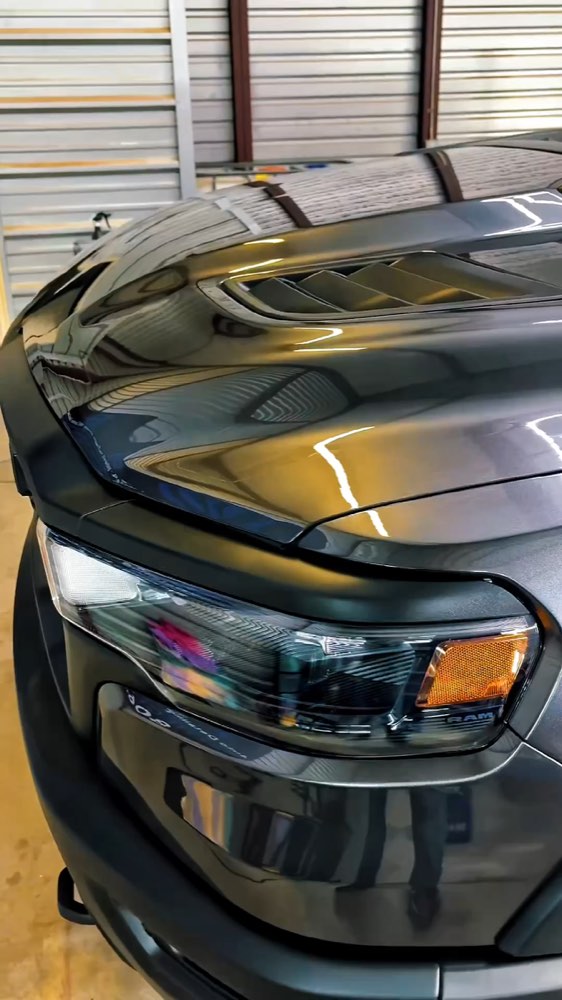
Every driver running West Texas in late spring and summer knows the front of the truck by the end of a night run. What most do not realize is how quickly that residue stops being cosmetic and starts being permanent.
Why Bug Residue Etches
Insect remains are acidic. On a hot fairing or bumper in Lubbock summer, that acid concentrates as the moisture evaporates and starts working on the clear coat. Left for a week in July, you are no longer removing residue — you are looking at etched outlines that need polishing to remove.
The 48-Hour Rule
Heat is the multiplier. In cooler months you have some slack. In peak summer, meaningful etching can begin within a couple of days on a surface sitting in the sun. Getting the front end rinsed at the end of a run is worth more than any product you can buy.
Soak, Don’t Scrub
The damage on most trucks is not from the bugs — it is from a driver attacking a dry bumper with a bristle brush at a truck stop. Dried insect shells are abrasive. Dragging them across paint puts in scratches that outlast the stain. The correct order is always saturate, dwell, then release with light pressure and clean media.
What Actually Works
A dedicated bug remover or a properly diluted alkaline pre-soak, applied to a cool surface and given several minutes of dwell time without drying, does most of the work. On stubborn baked-on spots, a second application beats more pressure every time. Never let any chemical dry on the panel.
Why Coated Trucks Clean Up Faster
This is where protection pays for itself on a working rig. On a coated or sealed front end, bug residue sits on the coating rather than keying into bare clear coat, and it releases with far less dwell and far less contact. It does not make the truck immune, but it turns a 40-minute fight into a rinse.
The single worst move is a dry brush on a dry bumper. Dried insect shells are abrasive — scrubbing them grinds them into the clear coat and leaves scratching that outlasts the stain by years.
If the front of your truck already has etched outlines that will not wash off, that is a correction job, not a wash. Send photos and we will tell you which one you are looking at.
Related Reading
Ready to Protect Your Vehicle?
We'll inspect your paint and tell you exactly what it needs — most clients are booked within 48 hours.
Keep Your Coating Performing.
The Coat Plan is our monthly ceramic maintenance membership. pH-safe washes, iron decontamination, and SiO₂ topper every month. Priority scheduling, locked-in rate. No contracts.