Wet Carpet, No Leak:
It’s Usually the Sunroof Drains
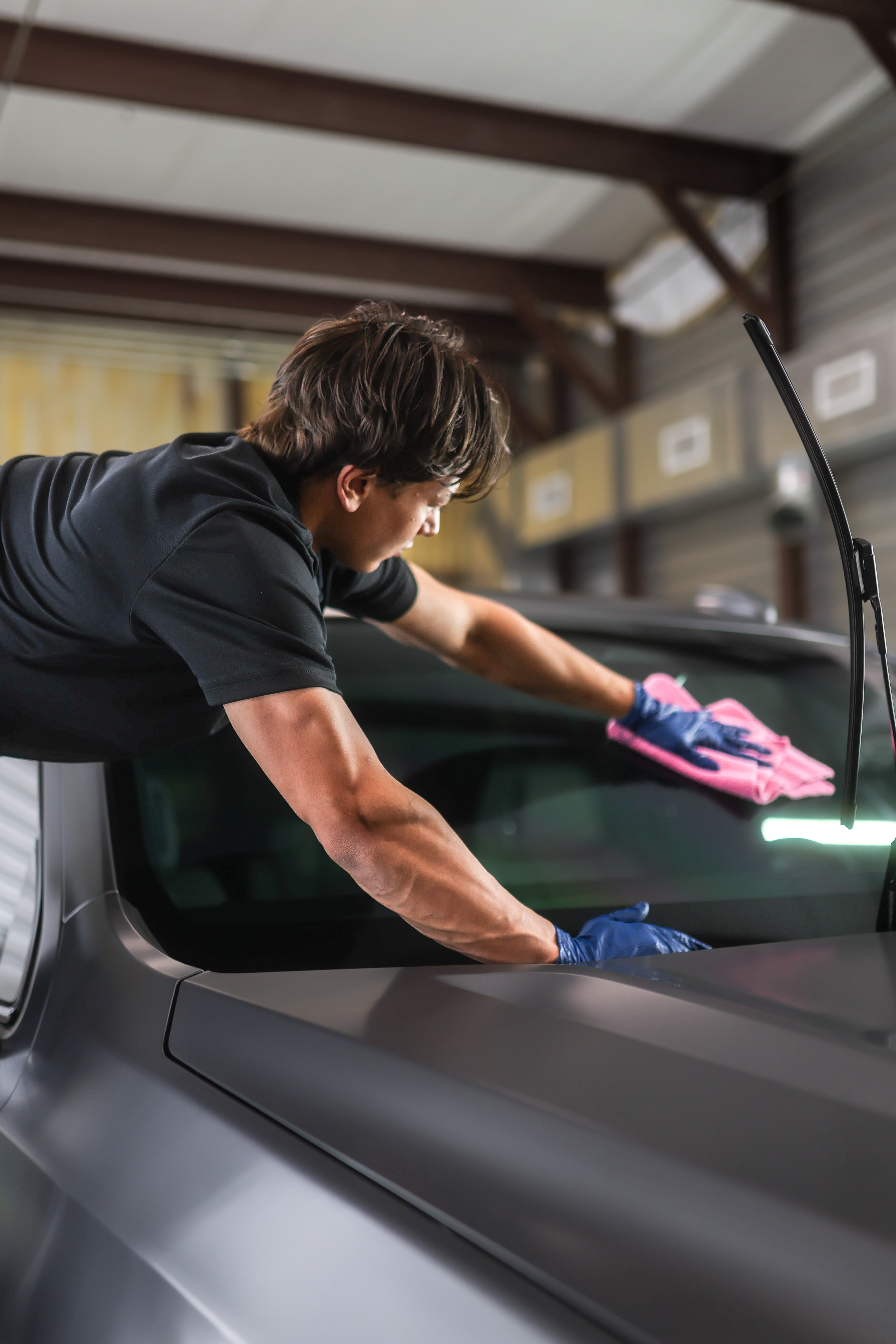
A recurring call: damp carpet or a musty smell, no visible leak, and a car that has already been shampooed once with no lasting improvement. In vehicles with a sunroof, the drains are the first thing worth ruling out.
Sunroofs Are Designed to Let Water In
This surprises people. A sunroof is not a watertight seal — it is a tray. Water gets past the glass by design, collects in a channel around the opening, and exits through small drain tubes at each corner that run down the pillars and out under the vehicle. The system only works while those tubes are clear.
Why They Clog So Fast Here
Caliche dust is fine and it settles into the sunroof channel constantly. Add spring pollen, cottonwood, and debris from parking under trees, and the mixture packs into the drain openings and sets. Vehicles in West Texas clog these drains considerably faster than the same vehicle would in a wetter, less dusty climate.
What a Blocked Drain Looks Like
The channel overflows, and the water goes wherever the headliner and pillar trim let it. Typical signs are a damp front or rear footwell after rain or a wash, water staining at the edge of the headliner, drips from an A-pillar or a dome light, and a persistent musty smell that returns a few days after any interior cleaning.
How to Check Yours
Open the sunroof and look at the corners of the channel for the small drain openings. Slowly pour a little water into the channel and watch underneath the vehicle — you should see it exit near the wheel wells within seconds. If it pools in the channel instead, the tube is blocked. Never force compressed air or push wire down them; the tubes are thin and can be split or disconnected inside the pillar, which turns a small problem into a large one.
The Damage Is the Part We Fix
By the time most people notice, the carpet padding has been damp repeatedly and mildew has established underneath. That is why surface shampooing keeps failing — the contamination is below the carpet. Hot water extraction pulls it out of the padding, and an enzyme treatment handles what is left. Sorting the smell without sorting the drain just means doing it again.
Do not push wire or compressed air down a sunroof drain. The tubes are thin and run inside the pillars — splitting or disconnecting one turns a clogged drain into water emptying directly into your headliner.
If your carpet keeps getting damp and the smell keeps returning, get the drains checked first, then bring it to us for proper extraction. Cleaning the damage before fixing the cause is money spent twice.
Related Reading
Ready to Protect Your Vehicle?
We'll inspect your paint and tell you exactly what it needs — most clients are booked within 48 hours.
Keep Your Coating Performing.
The Coat Plan is our monthly ceramic maintenance membership. pH-safe washes, iron decontamination, and SiO₂ topper every month. Priority scheduling, locked-in rate. No contracts.