The Rubber Seals Are Dying
Before Your Paint Is
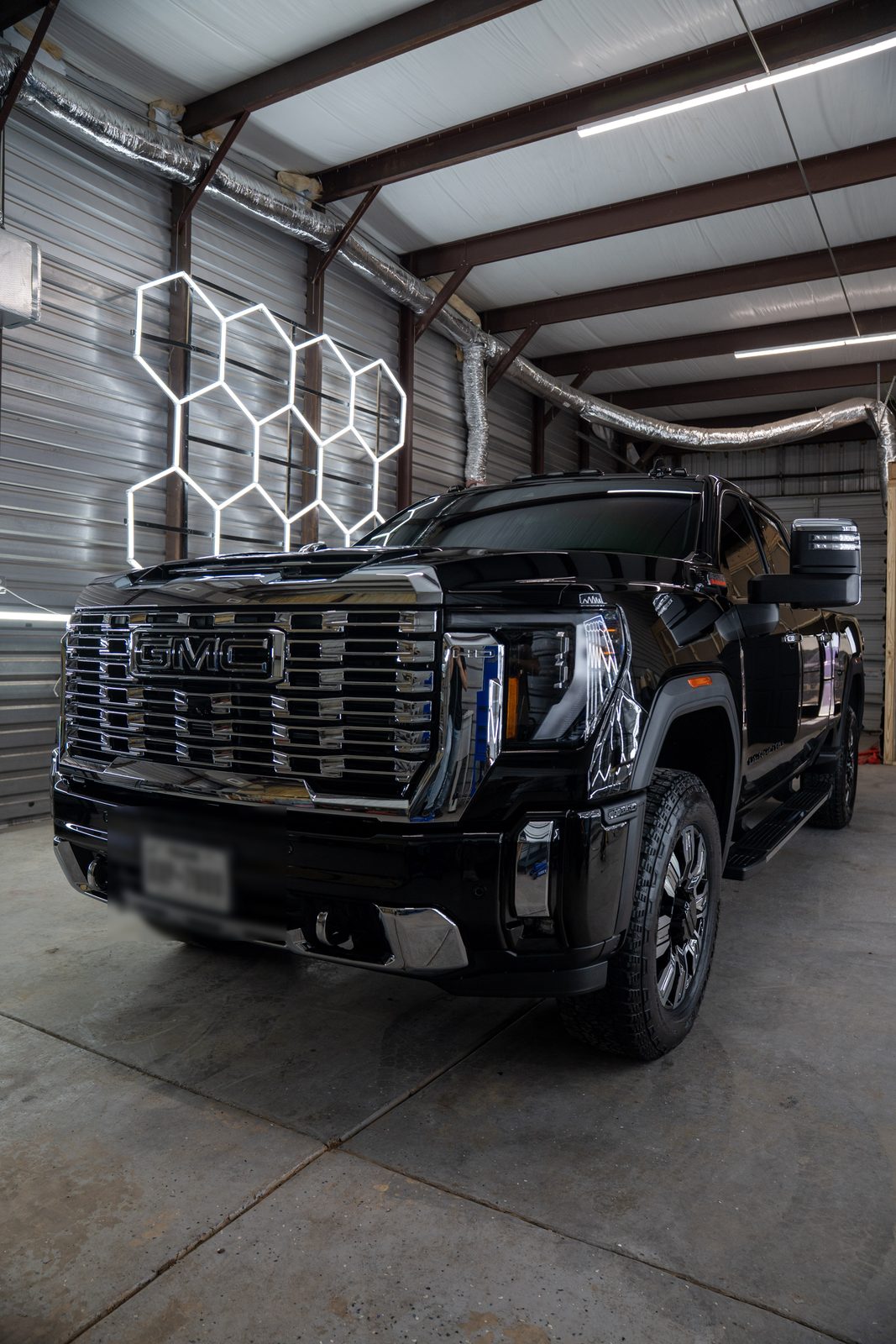
Everyone protects their paint out here. Almost nobody thinks about the rubber, and on a lot of West Texas vehicles the seals fail years before the paint does — with consequences that cost more than a respray would.
What UV Does to Rubber
Weatherstripping relies on plasticizers to stay flexible. Sustained UV and heat drive those out, and the rubber hardens, shrinks slightly and loses its ability to compress against the door frame. In Lubbock, with year-round sun and large day-to-night temperature swings, that process runs considerably faster than in milder climates.
The Symptoms People Misdiagnose
Hardened seals show up as wind noise at highway speed that was not there last year, a door that thumps instead of closing softly, water getting past the window during a wash, and — the common one — a door that sticks or tears the seal when you open it on a cold morning because the rubber froze to the frame.
Caliche Makes It Worse
Dust settles into the channel between the seal and the frame and acts as an abrasive every time the door opens and closes. It grinds the sealing face and packs into the hollow sections, which stops the seal compressing evenly. Cleaning the channel matters as much as treating the rubber.
What Actually Works
Clean the seal and the channel first with a damp cloth — treating dirty rubber just seals the grit in. Then use a dedicated rubber conditioner. Avoid petroleum-based dressings and tire shine on weatherstripping; they can swell and soften the rubber over time and leave a residue that collects more dust. Silicone or a purpose-made rubber care product is what belongs there.
The Cost of Ignoring It
A set of replacement door seals plus labour is not a small bill, and a seal that has been letting water past has usually been quietly wetting the carpet edge for a while — which is its own problem underneath. Treating the rubber a few times a year is one of the cheapest pieces of maintenance on the whole vehicle.
Never put tire shine on weatherstripping. Petroleum-based dressings can swell and soften the rubber over time, and the residue attracts the caliche dust that grinds the sealing face. Clean the channel first, then use a proper rubber conditioner.
We clean and condition the seals and door channels as part of a full detail, because in this climate they are one of the first things to go. If your doors have started thumping or whistling, that is the rubber telling you.
Related Reading
Ready to Protect Your Vehicle?
We'll inspect your paint and tell you exactly what it needs — most clients are booked within 48 hours.
Keep Your Coating Performing.
The Coat Plan is our monthly ceramic maintenance membership. pH-safe washes, iron decontamination, and SiO₂ topper every month. Priority scheduling, locked-in rate. No contracts.