Wheel Ceramic Coating
in Lubbock TX: Why Your Rims Need It Too
That orange-brown dust on the inside of your wheels is iron oxide: brake pad particles rusting onto the finish. Coating a wheel works the same way as coating paint: a hard, hydrophobic, chemically resistant layer between the factory finish and everything attacking it. Face coating covers what you see; full wheel coating includes the barrel, which is where the damage actually happens.
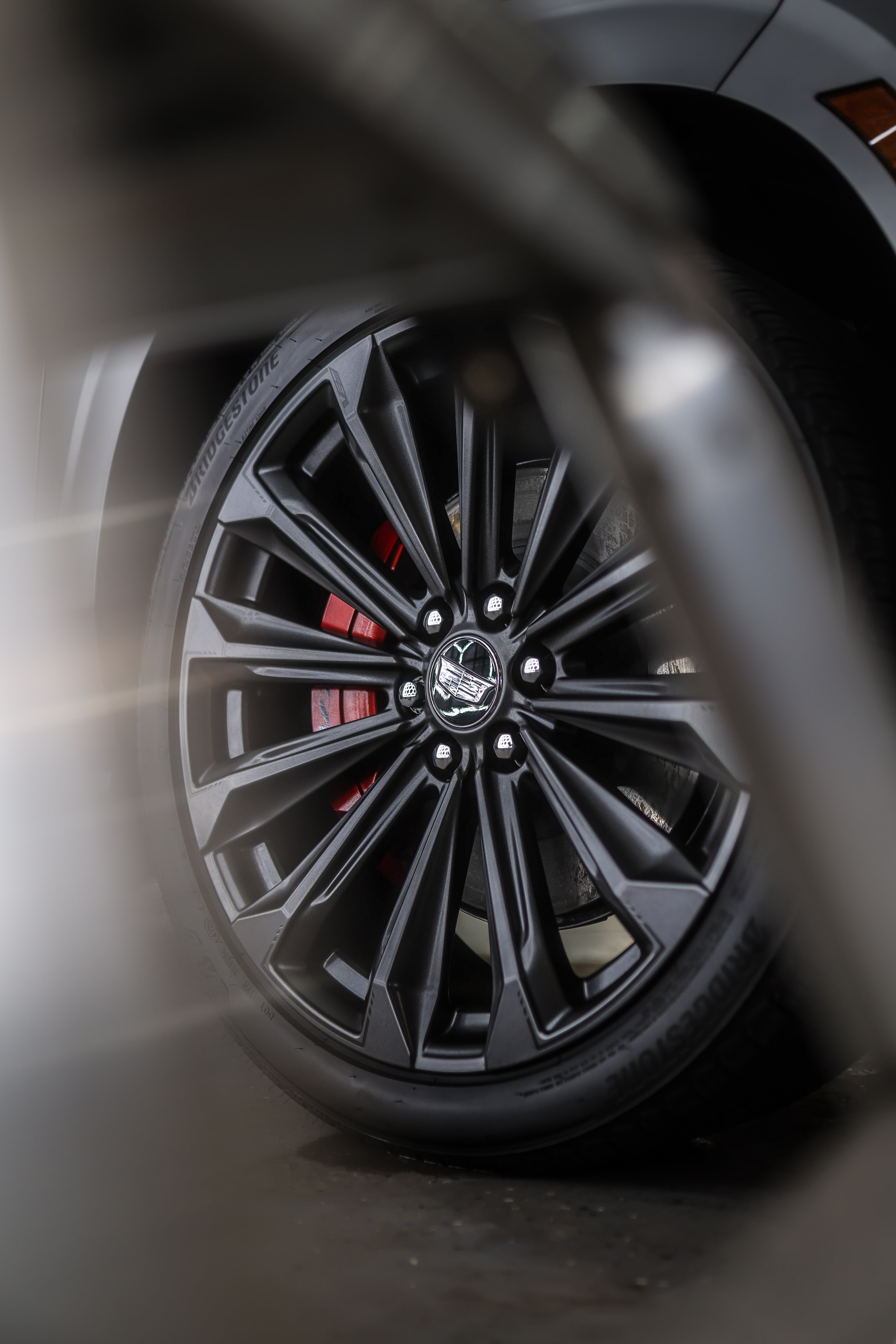
Wheels collect brake dust, road film, tar, and West Texas caliche close to the road surface. A compatible wheel coating can make routine contamination easier to remove, but it does not stop curb rash, chips, scratches, or damage from unsuitable chemicals. Product choice and preparation should match the actual painted, polished, anodized, or refinished surface.
What Destroys Wheel Finishes
Brake Dust
Every time you brake, your pads deposit iron particles on your rotors, calipers, and wheels. That orange-brown dust you see on the inside of your wheels is iron oxide — rust — bonding to the wheel surface. Left alone, those particles embed into the finish and begin to chemically etch the aluminum underneath. Aggressive brake dust buildup on bare aluminum wheels causes permanent pitting over time.
Heat Cycles
Factory wheel finishes aren't designed for repeated high-heat exposure from the brakes. Heat cycling — getting hot and cooling down repeatedly — causes the factory clear coat on aluminum wheels to eventually crack, peel, and fail. Once the clear coat goes, the bare aluminum oxidizes rapidly. You've seen this on older vehicles: wheels that look like they've been sandblasted and turned dull gray. That's what unprotected aluminum does under sustained heat.
Wheel Cleaners
Most commercially available wheel cleaners are acidic — including several popular "pH-balanced" products that are only slightly less aggressive than straight acid. Over months of regular use, these cleaners etch the factory clear coat, dull the finish, and accelerate the degradation that heat already started. Iron removers like Iron X are necessary for contamination removal but must be used correctly and not left sitting on bare aluminum.
Road Salt and Caliche
Lubbock roads during and after rain pick up road treatment chemicals and caliche mineral dust that stick to wet wheels. Alkaline caliche is particularly corrosive to bare aluminum finishes over time.
What Wheel Ceramic Coating Actually Does
Ceramic coating on wheels works the same way as on paint — it bonds chemically to the surface and creates a hard, hydrophobic, chemically resistant layer that sits between your factory finish and everything attacking it.
- Brake dust releases faster and easier. On a coated wheel, brake dust sits on top of the coating instead of bonding to bare aluminum. It washes off with a rinse instead of requiring aggressive scrubbing and strong chemicals.
- Heat resistance. Professional ceramic coating handles high temperatures better than factory wheel clear coat alone. The coating doesn't degrade the same way under repeated heat cycling.
- Chemical barrier. When wheel cleaners contact a ceramic-coated surface, they clean the surface contamination without etching the substrate. The coating takes the chemical exposure instead of the aluminum.
- Hydrophobic repulsion. Water, mud, and road grime sheet off coated wheels dramatically faster. After a rain, coated wheels are clean. Bare wheels accumulate mud packed into every spoke and pocket.
Coated wheels require a fraction of the cleaning effort of bare wheels. No scrubbing, no strong cleaners, no embedded brake dust. A rinse handles what used to take a dedicated wheel cleaning session.
Face Coating vs Full Wheel Coating
Wheel ceramic coating comes in two levels:
- Face coating — the visible spokes and outer barrel only. Included in our Advanced 5-Year package. Covers what you see and reduces surface cleaning effort significantly.
- Full wheel coating — faces plus full barrel coating front and back. Included in our Elite 10-Year package. The barrel takes more brake dust accumulation than the face because it's closer to the caliper. Full coating is the complete solution.
For trucks and SUVs with large wheels that are hard to clean around — full wheel coating is almost always worth the upgrade. The inside barrel of a 20" truck wheel accumulates months of baked-on brake dust. Coated, it wipes clean. Uncoated, it requires a wheel woolie brush, iron remover, and significant scrubbing every time.
What Wheels Benefit Most
Every wheel benefits from ceramic coating, but certain setups benefit dramatically more:
- Dark-painted or gloss black wheels (show brake dust accumulation worst)
- Large 20"+ wheels with open spoke designs (more surface area, harder to clean)
- High-performance vehicles with aggressive brake setups that generate more dust
- Trucks and SUVs that see highway miles and road contamination daily
- Custom aftermarket wheels where refinishing cost is high
Related Reading
Coat Your Wheels the Right Way
Wheel ceramic is included in our Advanced and Elite packages, or can be added on to any job. Get a quote and we'll tell you exactly what's covered.
Keep Your Wheels Clean Every Month.
Membership options are $99 for Exterior Detail, $149 for Full Detail, or $249 for Premium Detail. Each includes one monthly visit for a qualifying vehicle, with compatible coating care when appropriate.