Protecting a Brand New Truck:
The First 30 Days in Lubbock, TX
Start with an inspection, not an assumption that new paint is perfect or damaged. Photograph the truck, wash it with clean media when needed, dry mineral-heavy water promptly, and choose wax, sealant, or ceramic coating according to how the truck is used and maintained. Paint correction is condition-dependent, not an automatic first-month requirement.
A new odometer reading does not describe the paint. Manufacturing, transport, storage, dealer preparation, washing, weather, and prior touch-up can affect the finish, but they do not create the same condition on every truck. Inspect the actual vehicle before selecting correction or protection.
Document the Starting Condition
Photograph the hood, roof, bedside tops, tailgate, wheels, and lower panels in even daylight, then look again under suitable inspection lighting. Record chips, scratches, stains, mineral residue, overspray, rail dust, touch-up, and panel-to-panel differences. If the truck is still within a dealer delivery or damage-reporting window, ask the seller what documentation and process apply before authorizing corrective work.
Wash Before Judging the Paint
Loose dust and temporary residue can make a finish look worse than it is. Pre-rinse first, use compatible wash chemistry and clean media, and do not wipe a dusty truck dry. After a controlled wash and dry, bonded contamination and paint defects are easier to distinguish from removable surface soil.
A Practical First 30 Days
- Week one: inspect and document. Confirm the condition before choosing any abrasive or chemical process.
- Wash when the truck needs it. Flush loose caliche and road dust before contact, then dry the surface rather than allowing mineral-rich water to evaporate.
- Treat only what inspection supports. Iron removal, clay, water-spot treatment, or machine polishing should be selected for the contamination, paint, and desired finish—not applied as a universal checklist.
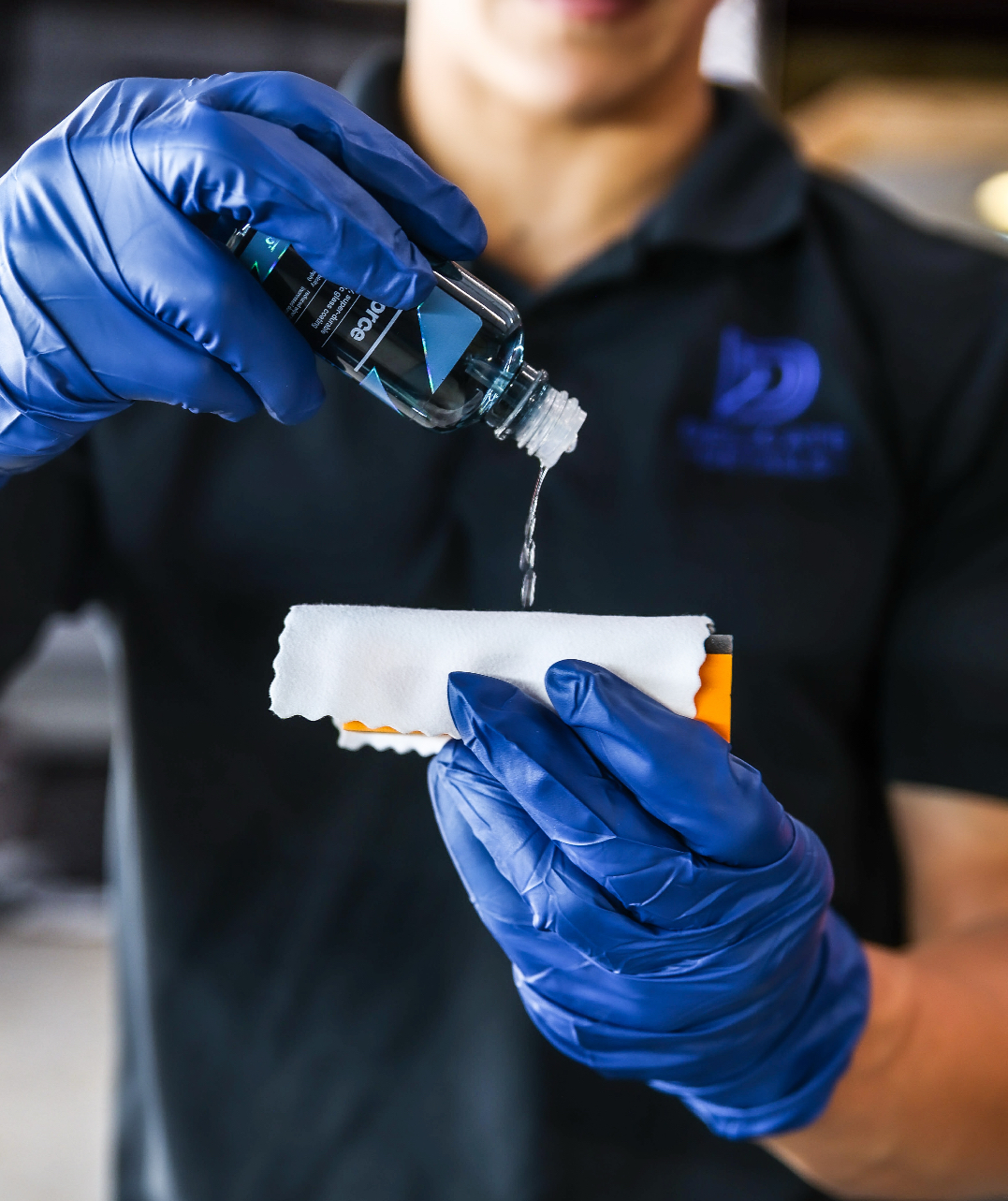
- Choose protection by ownership plan. Wax or sealant can fit a lower-cost, shorter-term plan. Ceramic coating can fit an owner who wants a longer service tier and will follow the selected product's care and written terms.
- Confirm optional surfaces separately. Paint, wheel faces, trim, and glass have different materials and preparation requirements; do not assume one package covers every surface.
New does not automatically mean correction-free or correction-required. A test area and the requested finish determine whether polishing is useful and how aggressive it should be. A transparent coating will not hide defects that remain.
What Protection Can and Cannot Do
A suitable wax, sealant, or ceramic coating can change water behavior and may make some contamination easier to remove. It does not stop dust from landing, prevent every water spot or scratch, absorb rock impacts, repair existing defects, or make washing optional.
For Lubbock use, the practical priorities are avoiding dry wiping, removing bird residue and mineral deposits promptly, using compatible wash products, and maintaining the selected protection. Service-tier years describe the package and its written terms; actual behavior depends on preparation, exposure, washing, contamination, and aftercare.
Current Ceramic Coating Starting Prices
For a truck or large SUV, current starting prices are $1,099 for the 2-Year CarPro CQuartz SiC tier, $1,499 for the 5-Year CarPro DQuartz tier, and $2,599 for the 10-Year CarPro DQuartz + Gliss tier. Final preparation, optional correction, covered surfaces, and written maintenance terms are confirmed after inspection.
Related Reading
Ready to Protect Your Vehicle?
We'll inspect your paint and tell you exactly what it needs — we will share current appointment availability.
Keep Your Coating Performing.
Founding memberships are $99 for Exterior Detail, $149 for Full Detail, or $249 for Premium Detail. Each option has one set rate for qualifying cars, trucks, and SUVs.