Quick answer: Window film should not be approved for insulated or Low-E glass from the label alone. A useful compatibility review identifies the number and type of panes, the Low-E coating location, existing tints or laminates, pane size and shape, seal and frame condition, exterior shading, orientation, application surface, exact film, current film-to-glass guidance, and the warranty document that applies to that combination. If those facts cannot be confirmed, the safe answer is to keep investigating rather than make a blanket claim.
“Can you tint double-pane windows?” sounds like a yes-or-no question. In practice, insulated glass units vary. They may use clear or tinted panes, tempered or laminated glass, different spacer systems, several Low-E coating types, and coatings located on different surfaces inside the assembly. Two windows that look alike from the room may not have the same construction.
The film also matters. Architectural products differ in visible light transmission, reflectance, solar absorption, intended application surface, and the glass combinations for which the manufacturer provides guidance. Compatibility is therefore a system question: glass, film, exposure, installation, and written terms must be considered together.
What “Double-Pane” and “Low-E” Actually Describe
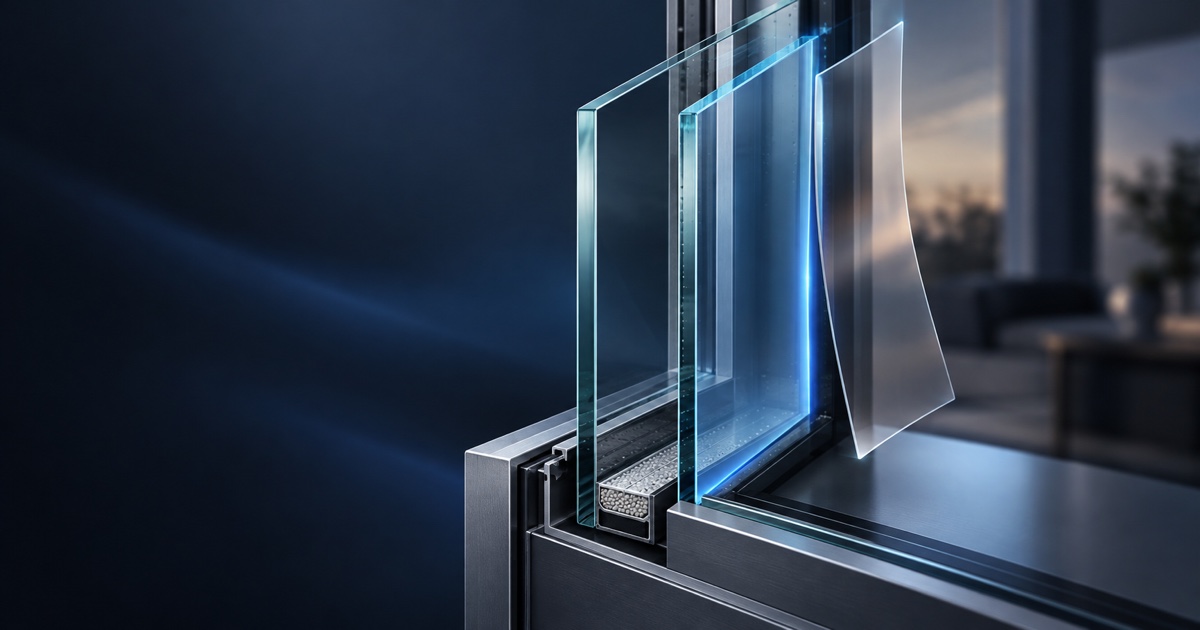
A double-pane or dual-pane window is an insulated glass unit with two pieces of glass separated by a sealed space. The term describes the assembly, not every material inside it. It does not identify whether either pane is tinted, laminated, heat-treated, damaged, or coated.
Low-E means low-emissivity. A Low-E coating is a thin surface treatment designed as part of the window system. Its location matters because the numbered surfaces in an insulated unit are not interchangeable. From outdoors to indoors, a basic dual-pane unit has four glass surfaces. A coating protected inside the sealed cavity is different from a coating on a room-side surface that can be touched.
The International Window Film Association building-film FAQ explains that the selection of film for Low-E glass depends on the Low-E coating type and surface location, as well as the result sought from the film. That guidance is a reason to identify the assembly—not a statement that every Low-E window accepts the same film or that all Low-E glass must remain untreated.
Why Coating Surface Location Changes the Review
Film changes how the combined glass-and-film system handles light and solar energy. A Low-E coating already changes the system. The surface on which the coating sits, the surface proposed for film, and the direction of exposure all affect which manufacturer guidance applies.
Documents or markings from the window manufacturer can be valuable. A window label, corner etching, spacer-bar code, product invoice, glazing schedule, or building specification may identify the unit. None should be guessed from appearance alone. A handheld detector may support an assessment, but the actual window specification and product documentation remain the better record when available.
If the construction cannot be confirmed, say so in the quote process. A conditional recommendation is more trustworthy than presenting an uncertain identification as fact.
Glass Condition Comes Before Film Selection
Film is not a repair for a failing window. Condensation or haze between panes can indicate an insulated-glass seal problem. Cracks, chips, damaged edges, loose stops, brittle glazing material, frame movement, scratches, and other defects require evaluation before a film decision.
The official 3M Window Film Glass Checklist calls attention to conditions that may require added review, including some laminated, reflective, large, shadowed, damaged, or unusually shaped glass and glazing systems. It also addresses glass and frame conditions that should be documented. This is one manufacturer's checklist for its products; it does not approve a different manufacturer's film. The useful principle is broader: inspect and identify the actual glazing before selection.
Stop and document
Moisture between panes, visible cracks, damaged edges, failed seals, loose glazing, unknown existing film, or uncertain glass construction.
Confirm before quoting
Pane count, Low-E surface, tint or laminate, dimensions, shape, orientation, exterior shading, application side, exact product, and written terms.
A window or glass professional may need to evaluate defects that are outside a film installer's scope. The project record should distinguish a glass condition from the film work being proposed.
Pane Size, Shape, Shade, and Exposure Matter
Compatibility review is not limited to the words “Low-E” and “insulated.” Pane dimensions, shape, edge condition, frame system, partial exterior shadows, interior blinds, overhangs, nearby structures, orientation, and existing glass tint can change the conditions the manufacturer asks an installer to review.
Architectural shadows deserve special attention because a pane can experience different conditions across its surface. Large panes, spandrel areas, sloped glass, patterned shapes, and laminated assemblies may have additional product or warranty restrictions. These are not reasons to invent a universal rule; they are reasons to use the current chart or checklist for the named product.
Take full-window photographs from inside and outside. Include the frame, edge, spacer, labels, etchings, surrounding overhangs, blinds or shades, and any visible damage. Close-up photos without context can miss the exposure and support conditions that matter to the review.
Compare Data on the Same Glass Configuration
A technical sheet may list visible light transmission, visible reflectance, solar heat gain coefficient, or other measurements for several glass configurations. Those values belong to the tested combination. They should not be copied from a clear single-pane table and treated as the result for a tinted Low-E insulated unit.
The 3M architectural window-film solar-property summary illustrates this point by publishing results across named products and stated glass types. Values vary with the glass-and-film configuration. When comparing two products, use data based on comparable glass and confirm the test definitions instead of selecting the largest isolated percentage.
Ask for these technical details
- Film manufacturer, full product name, and product code or shade
- Interior or exterior application surface
- Glass construction used for each reported value
- Visible light transmission and interior and exterior reflectance on comparable glass
- Current film-to-glass compatibility guidance for the identified assembly
- Any edge-sealing, access, or installation requirements
- The written warranty document for that product, glass, and use
A category label such as “solar,” “ceramic,” or “privacy” is not a substitute for the exact product data. The quote should identify what is actually proposed.
Do Not Treat an Old Approval as a Permanent Rule
Manufacturer product lines, technical bulletins, compatibility charts, and warranty terms can change. A product used on one building or approved in an older document should not automatically be carried into a new project. Review the current document for the exact product and application.
The current 3M flat-glass warranty bulletin, for example, lists conditions and coverage that vary by product family and application. The practical takeaway is not a generic warranty promise. It is to request the applicable document, confirm that the product and installation match it, and keep the final paperwork.
If the proposed product changes, update the compatibility review and quote. A similar-looking film may have different data or terms.
Residential and Commercial Reviews Use the Same Core Facts
A home project may be organized by room and window. A commercial project may be organized by elevation, tenant area, office, storefront bay, or phase. The naming changes, but both need an accurate pane schedule and product record.
For a home
- List rooms, window groups, approximate dimensions, orientations, and the time each problem is noticeable.
- Photograph glass markings, frames, shades, exterior overhangs, existing film, and visible defects.
- State whether the goal is glare control, daylight retention, daytime privacy, obscuring privacy, or appearance.
- Identify HOA, landlord, or exterior-appearance restrictions.
For a business property
- Label elevations and panes so the quote, product schedule, and installation plan use the same identifiers.
- Document building-owner or property-manager approval, exterior appearance limits, access, and work hours.
- Identify displays, interior partitions, blinds, decals, existing film, high access, and phased work areas.
- Keep the glazing schedule, technical sheets, final product list, warranty, and installation record together.
What a Compatibility-First Quote Should Say
A good quote does not hide uncertainty behind a general phrase such as “window tint.” It identifies the included glass, exact product, preparation, application surface, access assumptions, exclusions, and documents used to support the decision.
Before approval, look for:
- Pane identification: room or elevation, dimensions, count, construction notes, and condition.
- Exact product: manufacturer, series, product code or shade, and application side.
- Compatibility basis: current chart, checklist, technical bulletin, or manufacturer direction for the actual combination.
- Scope: preparation, existing-film removal when required, access, protected areas, scheduling, and excluded repairs.
- Documents: technical sheet, written warranty, care instructions, invoice, and final installation record.
If a pane cannot be supported by the selected product guidance, it should be excluded or reconsidered rather than forced into a whole-building film choice.
Questions to Ask Before Approving Film on Insulated or Low-E Glass
- How was the glass construction and Low-E surface identified?
- Are there window labels, etchings, invoices, or specifications to keep with the project record?
- What existing damage, seal concerns, film, tint, laminate, shadows, or unusual conditions were found?
- What is the exact film manufacturer, product, shade, and application surface?
- Which current manufacturer document addresses this glass-and-film combination?
- Does the reported product data use a comparable glass configuration?
- What written warranty applies, and what conditions or exclusions should be understood?
- Which panes are excluded, and why?
Evidence note: The linked manufacturer documents illustrate the kind of current, product-specific evidence a property owner should request. They do not approve film for a particular window by themselves. The installed glass, exact product, condition, current manufacturer guidance, and written project documents control the final decision.
Primary Sources
- International Window Film Association — Building Window Film FAQ
- 3M — Window Film Glass Checklist
- 3M — Architectural Window Film Solar Property Summary
- 3M — Flat-Glass Window Film Warranty Bulletin
Request a Property Glass and Film Review
Send the property address, interior and exterior photos, window labels or markings, approximate dimensions, known Low-E or insulated-glass details, visible condition concerns, access notes, and the result you want from each area.
Request a Property Tint Quote →