Ceramic Coating Paint Correction Detailing Window Tinting Aviation Gallery Membership Blog Contact Book Now
Low Intro Pricing

Auto Window Tinting
in Lubbock, TX

Delicate Details installs carbon and ceramic automotive window film at our Lubbock tint shop. Choose the film, choose the windows, see introductory pricing from $69, and get a vehicle-specific quote before booking.

Looking for building window film? Explore home window tinting or commercial window film. Property projects are quoted separately from the automotive prices below.

See Tint Pricing Request a Tint Quote Call (806) 855-8042
Quick Answer

Delicate Details installs shop-based automotive window tint in Lubbock from $69. One standard window starts at $69 in carbon or $89 in ceramic; a front pair starts at $119 or $169, and a common five-window setup starts at $239 or $319. Installation is completed by appointment at 13209 Frankford Ave, Suite 4. Old-film removal starts at $99 and is priced separately. We confirm the vehicle, selected glass, exact film, shade, written warranty, and final price before scheduling. Get directions to our Lubbock tint shop.

Prices Up FrontSee carbon and ceramic starting prices without calling around for a mystery quote.
Real Lubbock ShopInstallation is completed indoors at our Frankford Avenue location by appointment.
Vehicle-Specific ConfirmationWe confirm the glass, film, shade, old-film removal, final price, and expected timing.
Film Confirmed FirstWe verify the film is ready for your vehicle before offering an installation date.

Pricing, Texas-law links, and quote details reviewed October 29, 2026.

Interactive Shade Preview

Tap a Shade.
See the Difference.

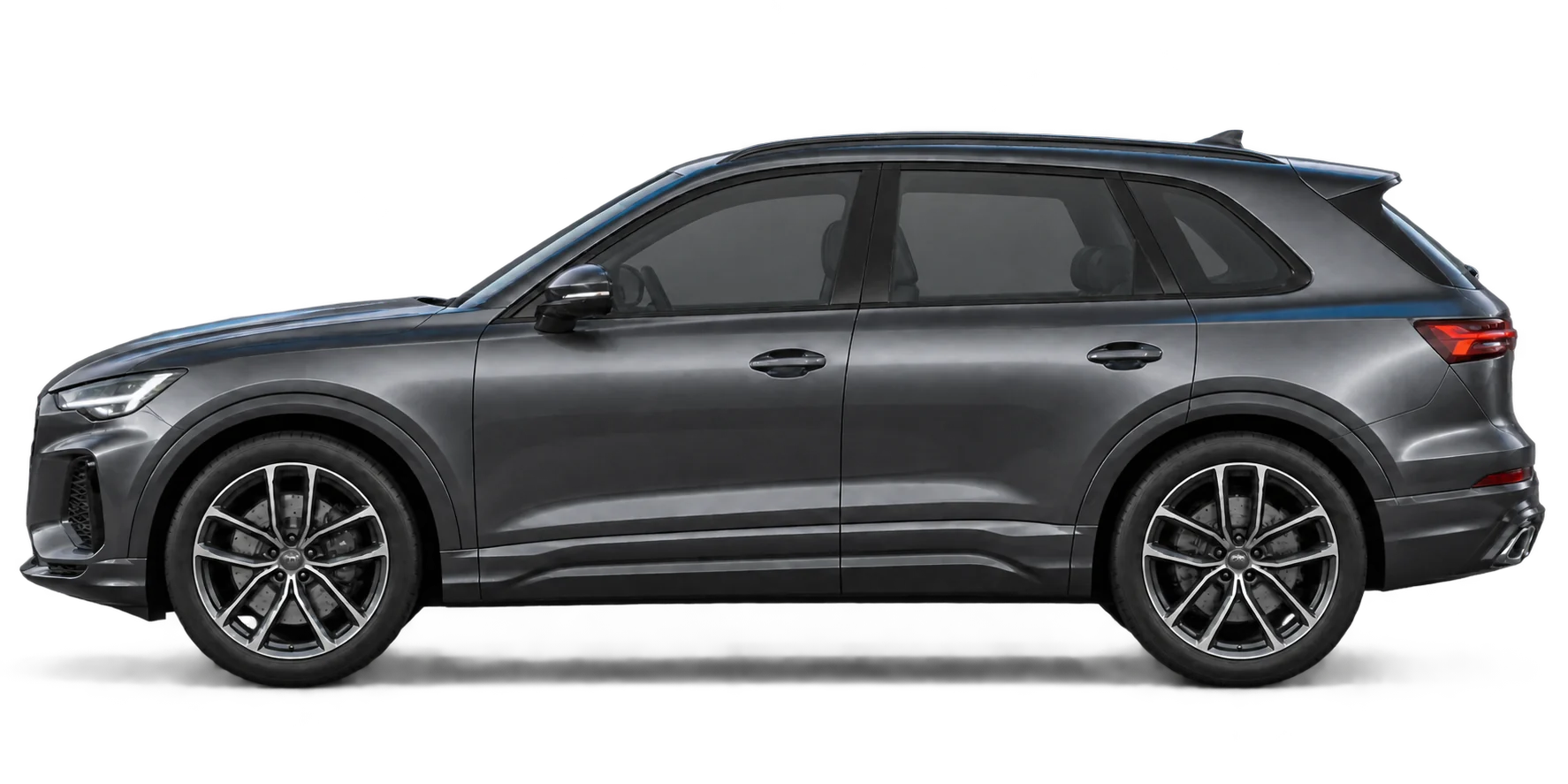
VLT is the light allowed through. A lower percentage looks darker. Pick one below to preview it on the car.

35% VLT — Balanced A noticeably tinted look that still allows more light through than the darker options.

Visual approximation only. Lighting, interior color, factory glass, and the exact film change the finished appearance. Film VLT and the completed glass reading are not the same. We confirm available shades and current Texas requirements before installation.

★★★★★

“Jacob with Delicate Details went the extra mile and threw in tint, along with a fresh detail. Truck looks extra slick!”

Keagen Grantham · Google Review
Real Work. Our Lubbock Shop.

See the Tint
Installation Process

Real work from our Lubbock shop—from prep to the finished result.

Old Tint RemovalExisting film removed before replacement.
Glass PreparationClean glass for a cleaner install.
Bottom-Load InstallationNew film loaded cleanly below the window seal.
Edge FinishingFinal hard-card work at the top edge.
Finished ResultClean, even tint on the completed vehicle.
Behind the scenes · Window tinting

Real Tint Work.
Inside Our Shop.

A closer look at existing film removal, trimming, and preparation at Delicate Details in Lubbock.

Steam-assisted film removal at Delicate Details in Lubbock
Steam-assisted film removal
Removing existing window film at Delicate Details in Lubbock
Removing existing window film
Door window film removal at Delicate Details in Lubbock
Door window film removal
Trimming window film at Delicate Details in Lubbock
Trimming window film
Preparing film on the glass board at Delicate Details in Lubbock
Preparing film on the glass board
Window film preparation at Delicate Details in Lubbock
Window film preparation
Compare Tint Options
Intro Tint Pricing

Two Choices.
One Clear Price.

Window tint starts at $69 for carbon or $89 for ceramic. A front pair is $119 carbon or $169 ceramic; a common five-window setup is $239 carbon or $319 ceramic.

1 — Pick your film
2 — How many windows?

Not sure what counts? See the simple vehicle window guide for cars, trucks, and SUVs.

$239
Carbon film · 5 windows
Request Exact Quote

Introductory pricing for standard automotive glass. Windshield brow: $59 carbon or $79 ceramic. Clear ceramic windshield tint: $199. Old tint removal starts at $99 and is separate from replacement film. Final price is confirmed from your year, make, and model; the quote also identifies the film line, shade, and applicable written warranty.

All introductory tint prices
WindowsCarbonCeramic
1 window$69$89
2 front windows$119$169
4 door windows$209$279
5 windows$239$319
7 windows$319$369
Popular Tint Setups

Choose the Vehicle.
See the Starting Price.

These three common setups use the same introductory prices shown above. We confirm fixed quarter panes, unusual glass, and old-film removal from the specific vehicle.

Local Tint Shop

Window Tint Near
Lubbock & Wolfforth

Tint installation is completed at our shop at 13209 Frankford Ave, Suite 4, Lubbock, TX 79424. The location is convenient for drivers in Lubbock, Wolfforth, and nearby West Texas communities.

Shop-Based Installation

Your vehicle stays at our Frankford Avenue shop during installation, away from roadside wind and blowing West Texas dust.

Plan the Visit

Send the year, make, model, window count, and old-film details first so we can confirm the setup and final price before the appointment.

Shop hours: Monday–Friday, 9am–5pm; Saturday, 10am–5pm; closed Sunday. Confirm the tint appointment and expected pickup window before driving over.

Get Directions Request a Tint Quote
Request Window Tint

Get the Right Film.
Then Choose a Date.

Send your vehicle and tint choices first. We confirm the glass, final price, and film availability before scheduling your installation.

1. Send Your VehicleYear, make, model, and the windows you want tinted.
2. Confirm the FilmChoose carbon or ceramic and your preferred shade. We verify availability.
3. Schedule InstallationOnce everything is confirmed, we contact you with available dates.

No appointment is booked from this page. Existing-film removal, unusual glass, and oversized vehicles are confirmed before a date is offered.

Carbon vs. Ceramic

What’s the
Difference?

Carbon

Choose carbon when you mainly want privacy, less glare, and the tinted look for the lowest price.

  • ✓ Lowest-cost option
  • ✓ Clean, dark appearance
  • ✓ Glare and privacy improvement

Ceramic

Consider ceramic when documented heat performance matters enough to justify the higher price.

  • ✓ Heat-focused option
  • ✓ Darkness chosen separately
  • ✓ Compare the exact film specification

Not sure? Start with your priority and compare the exact installed film—not the carbon or ceramic label alone. Ask for the manufacturer and line, shade or VLT, documented heat-performance measurement, warranty terms, and expected combined reading with your existing glass.

Source-Backed Tint Guide

How Do You Choose
the Right Window Tint?

Choose the exact film and finished-glass result—not a vague “ceramic” or “regular tint” label. Compare the manufacturer and product line, nominal film VLT, documented solar-performance data, expected combined VLT with your existing glass, installed price, and written warranty.

1. Pick the Glass

Decide whether you need one replacement window, a front pair, sides and rear, a windshield brow, or compatible clear windshield film. The selected glass controls the quote.

2. Compare the Exact Film

VLT describes visible light, while TSER and other manufacturer-defined figures describe solar performance. Compare the same metric at the same shade instead of relying on one marketing number.

3. Check the Finished Result

Texas rules apply to the completed glass-and-film combination in regulated locations. Existing factory glass changes the final reading, so a film label alone does not establish compliance.

Primary sources: current legal summaries come from the Texas DPS Window Tinting Standards. Film terminology and comparison guidance are checked against the International Window Film Association’s 2026 automotive guide. Exact performance claims must come from the technical sheet for the film actually quoted. See our heat-rejection numbers guide, Texas tint-law guide, and ceramic-film verification checklist.

Window Tinting Lubbock TX

Built for Daily Driving
in West Texas

Window tint is not just about making the glass darker. The right film can reduce glare, improve privacy, make the cabin more comfortable, and finish the look of the vehicle. We install at our shop on Frankford Avenue and confirm the shade, film, and glass with you before the work begins.

What We Need

Send your year, make, model, the windows you want tinted, and whether the vehicle has old film. That is enough for us to confirm the setup and final price.

What You Get

Clean glass preparation, correctly fitted film, confirmation of the film type and shade, clear pickup instructions, and care guidance for the tint while it cures.

From Starting Price
to Confirmed Appointment

Request an Exact Tint Quote
Window Tint FAQ

Simple Answers.
No Guessing.

Our introductory prices start at $69 for one carbon-tinted window or $89 for ceramic. A front pair is $119 carbon or $169 ceramic, and a common five-window setup is $239 carbon or $319 ceramic. Final price depends on the vehicle, glass, and old-film removal.
Yes. Old-film removal starts at $99 and is separate from replacement film. The final removal quote depends on the selected glass, film condition, adhesive residue, access, prior removal attempts, and rear defroster concerns. See the removal and replacement guide.
Yes. One standard automotive window starts at $69 in carbon or $89 in ceramic. We check the existing film, shade, glass, adhesive, and damage before quoting the closest practical replacement. See the single-window pricing guide.
The ceramic upgrade ranges from $20 to $80 depending on the setup: $20 for one window, $50 for a front pair or seven-window setup, $70 for four door windows, and $80 for a common five-window setup. A ceramic windshield brow is $20 more than carbon. See the complete tint price breakdown.
Yes. A front pair starts at $119 in carbon or $169 in ceramic for standard automotive glass. This is common on trucks and SUVs with darker rear glass; we check the existing glass and confirm the closest practical shade and final price. See how front-window matching works.
It generally means the four roll-down door windows plus the rear glass. Fixed quarter panes and unusual vehicle layouts are confirmed from the year, make, model, and photos.
Use the closest option for a starting estimate, then send the year, make, model, and side or rear photos. Coupes, split truck rear glass, extra quarter panes, and unusual SUV layouts are confirmed before the appointment. See the vehicle window-count guide.
No. Roof glass is separate from the published side-and-rear window choices. We confirm the vehicle, number of roof panels, existing glass, shade, and compatible film before quoting it. See what is priced separately.
No. Windshield work is separate. A windshield brow is $59 carbon or $79 ceramic, and clear ceramic windshield film is $199 at introductory pricing.
It depends on the exact vehicle, windshield, device location, and film. A legal or high-VLT film is not automatically compatible with every driver-assistance camera, head-up display, antenna, or transponder. Check the owner's manual and exact film guidance before full-windshield coverage. See the sourced windshield-film guide.
Texas DPS says a windshield sunscreening device must stay above the AS-1 line, or end no more than five inches below the top when the windshield has no AS-1 line. The completed strip must also meet the current state color, transmission, and reflectance limits. Read the Texas tint guide or check the official Texas DPS standard.
Texas DPS says the windows immediately beside the driver must measure at least 25% visible-light transmission and no more than 25% luminous reflectance with the original glass and film measured together. Current official guidance controls. Read the sourced Texas tint guide.
No, not under the current Texas DPS passenger-vehicle summary for the windows immediately beside the driver. Those windows must measure at least 25% visible-light transmission with the original glass and film combined. Rear side glass, rear windows, and windshields follow different rules. Check the glass-by-glass Texas tint guide.
No. A 70% label describes nominal film VLT, while Texas DPS uses the specific phrase clear, untinted UV film for material allowed across the full windshield without a medical exemption. Verify the exact product and current standard; high VLT alone does not establish compliance. Read the sourced windshield explanation.
No. The Texas minimum applies to the finished glass-and-film combination, so film labeled 25% can produce a completed window below 25% visible-light transmission. Check the existing glass and completed reading instead of relying on the film label alone. Estimate the combined VLT.
Texas DPS says side windows behind the driver are exempt from the state sunscreening-device restriction it summarizes. The front side windows and rear window follow separate rules, so the rear-side exception does not apply to every piece of glass. See the glass-by-glass Texas tint guide.
Texas DPS says there is no rear-window tint restriction when outside mirrors on both sides give the driver a roadway view for at least 200 feet behind the vehicle. Without qualifying mirrors, the rear window must meet the state's 25% transmission and reflectance limits. Review the full Texas tint guide.
Yes. Texas DPS says one compliance label is required at the rearmost bottom corner of the driver's-side window. A passenger-side label is optional, and the state page specifies the accepted compliance wording. See the current Texas tint requirements.
Texas DPS says a qualifying motorist needs a signed statement from a licensed physician or optometrist that identifies the driver or occupant and explains why sunscreening devices are medically necessary. The statement serves as proof and must be kept in the vehicle; DPS no longer issues separate exemption certificates. Review the plain-language Texas tint guide or check the official DPS exemption instructions.
Personal, non-commercial vehicles in Lubbock no longer need an annual safety inspection before registration as of January 1, 2025, but the Texas window-tint restrictions still apply. Commercial vehicles and other inspection situations follow separate requirements. See the Texas DPS inspection-program overview and our current tint-law guide.
Window tint is installed at the Delicate Details shop at 13209 Frankford Ave, Suite 4, Lubbock, Texas 79424.
Automotive window tint installation is completed at the Delicate Details shop on Frankford Avenue in Lubbock. Send the vehicle details first so the glass, final price, appointment, and expected pickup window can be confirmed.
These published carbon and ceramic prices cover automotive window tint on cars, trucks, and SUVs. Residential and commercial building glass are not included.
Delicate Details is open Monday through Friday from 9am to 5pm and Saturday from 10am to 5pm; the shop is closed Sunday. Confirm your tint appointment and expected pickup window before driving over.
Yes. We quote the exact glass from the year, make, model, and photos because crew cabs, fixed quarter panes, factory privacy glass, and manual or powered rear sliders can change the scope. A truck or SUV front pair starts at $119 carbon or $169 ceramic. See the truck tint options and price guide.
Appointment time depends on the number and shape of the windows, vehicle access, old-film removal, rear defroster lines, and whether the windshield is included. Some small installations may be short enough to wait for, but confirm a vehicle-specific drop-off and pickup window before making plans. The vehicle can normally leave after installation and the final check while the film continues curing. See what changes the tint timeline.
It can on compatible rear glass. The defroster grid shares the interior surface with the film, so existing line damage, glass condition, preparation, cleaning, and any future removal require care. Tint does not repair a damaged defroster. See the rear-glass removal guidance.
Automotive window film can make the cabin more comfortable, reduce glare, add privacy, and give the vehicle a cleaner finished appearance.
Regular tint is not a technical product category. Our lower-cost option is carbon film, while ceramic is the heat-focused upgrade. Ask for the exact film line, shade, data, and warranty when comparing quotes. Read the carbon-versus-ceramic comparison.
Ceramic is the heat-focused choice when documented solar performance matters. At introductory pricing, it is $50 more than carbon for a front pair and $80 more for a common five-window setup. Carbon may be the better value when appearance, privacy, and the lowest price matter most. Read the full ceramic-tint value guide.
Not necessarily. Darkness is described by visible-light transmission, while heat performance depends on the exact film and glass. Compare lighter and darker shades using documented solar-performance data, nighttime visibility, the completed glass reading, and current Texas requirements. Compare tint performance numbers.
Automotive film can reduce UV transmission, but the amount depends on the exact product, shade, glass, and test data. Ask for the technical sheet for the film being quoted instead of treating darkness or the ceramic label as a UV specification. See which film numbers to compare.
Some metal-containing films may create a signal concern, while manufacturers publish specific non-metalized products as signal-friendly. Confirm the exact film construction, written manufacturer data, treated glass, and vehicle antenna locations rather than relying on the carbon or ceramic label alone. Read the film-and-signals guide.
Available percentages depend on the exact carbon or ceramic film line in stock. We confirm the current shades before the appointment, check the existing glass, and explain that labeled film VLT and the completed glass reading are different. Choose based on appearance, day and night visibility, comfort goals, and current Texas requirements. Estimate how the glass and film VLT combine.
It often can. We first check the existing glass because factory privacy glass and applied film combine to determine the final appearance and visible-light transmission. Read the full factory-glass guide.
We can choose the closest practical shade and color tone after checking the vehicle, but an exact match is not always possible. Front and rear glass can have different base colors, and windshield light can make the front cabin look lighter. See how front-window matching works.
Ask for the film manufacturer and line, shade or VLT, total solar energy rejected or another documented heat-performance measurement, warranty terms, and the expected combined reading with your existing glass. Generic labels such as carbon or ceramic do not replace the exact product specification. See how to compare TSER, IR, and VLT.
Warranty coverage depends on the exact film product. We confirm the manufacturer, film line, and applicable written warranty terms with your vehicle-specific quote; do not rely on a generic lifetime promise without the document. Read the tint warranty checklist.
The film needs time to set after installation. We give you clear pickup instructions, including when it is safe to roll the windows down.
Small moisture pockets or light haze can be normal during the stated cure period and should change as the film dries. A hard particle, sharply lifted edge, crease, peeling area, or large condition that persists after that window should be photographed and inspected. See the window tint bubbles and cure-time guide.
Confirm the year, make, model, and selected glass; disclose old film or glass damage; mention dash cams, toll tags, stickers, sensors, and window-control problems; remove loose valuables; and ask before moving child seats or wired accessories.
The glass needs inspection first. Film does not repair a crack, chip, deep scratch, damaged seal, or broken defroster line. Address safety or replacement concerns with a qualified automotive-glass professional before tinting, and disclose the damage when requesting a quote. See the appointment checklist.
Send your year, make, model, the windows you want tinted, and whether old film is installed. We confirm the final price before the appointment.
Model-Specific Planning

Tesla window tint needs an exact glass scope

Model, year, selected glass, factory shading, existing film, roof-glass requests, legal targets, and exact product documentation can change the quote. Our Tesla tint page explains what to send and what the written scope should confirm.

Plan a Tesla Tint Quote
Rear Glass Planning

Defroster lines, antennas, and old film need a closer look

The back windshield can combine printed electrical elements, factory-darkened glass, old adhesive, dot-matrix borders, trim, and difficult access. Our rear-glass guide explains what to inspect before installation, removal, cleaning, or a replacement-film quote.

Read the Rear Glass Guide

Window Tint Guides

Ready for a Tint Quote?

Send your vehicle, window count, film choice, and preferred shade. We confirm film availability before scheduling.

Building Window Film

Need tint for a home or business?

This page and its published prices are for automotive glass. Building film is selected after the property glass, privacy, glare, solar-control, appearance, access, and project scope are reviewed.

Get Tint QuoteCall Us