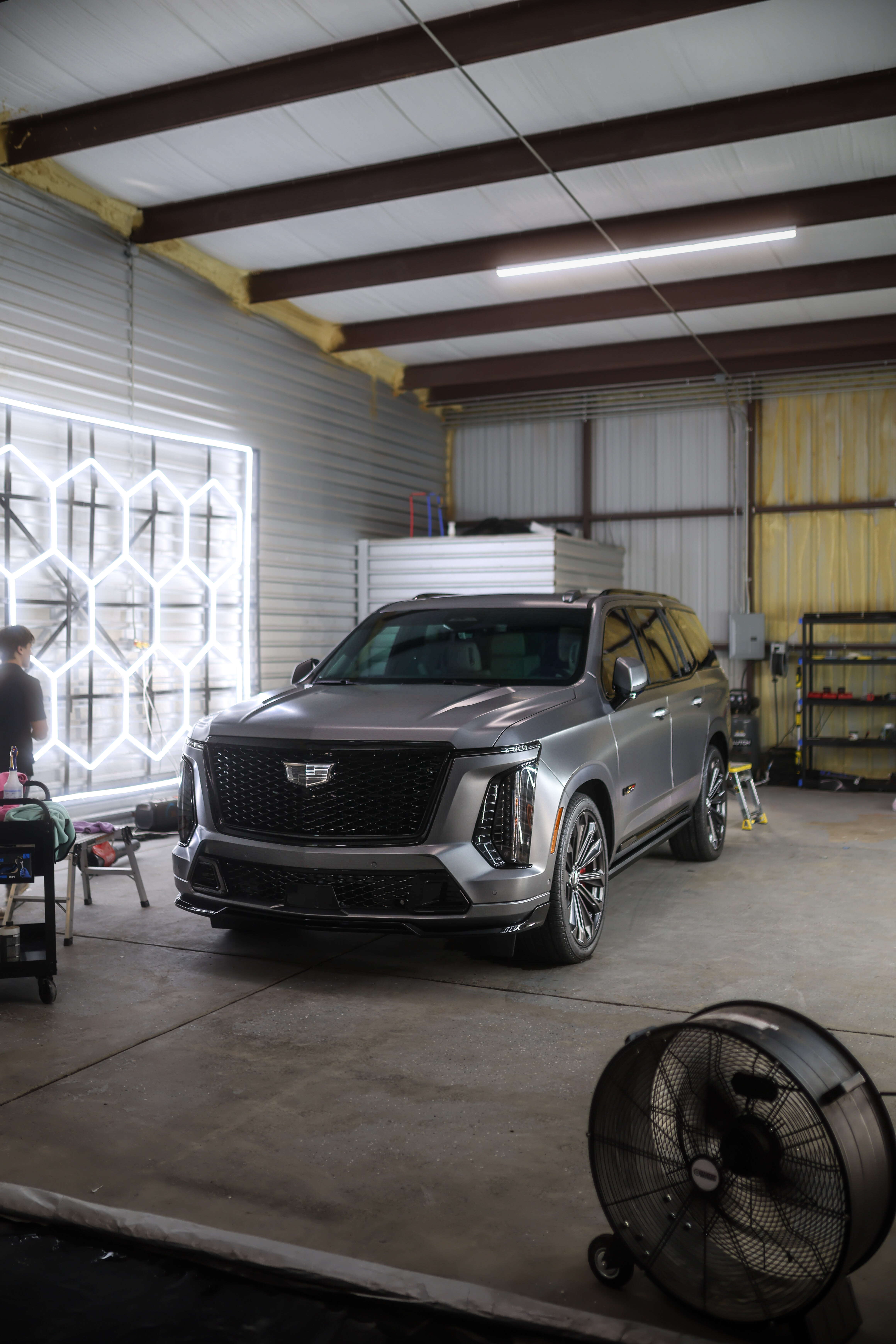
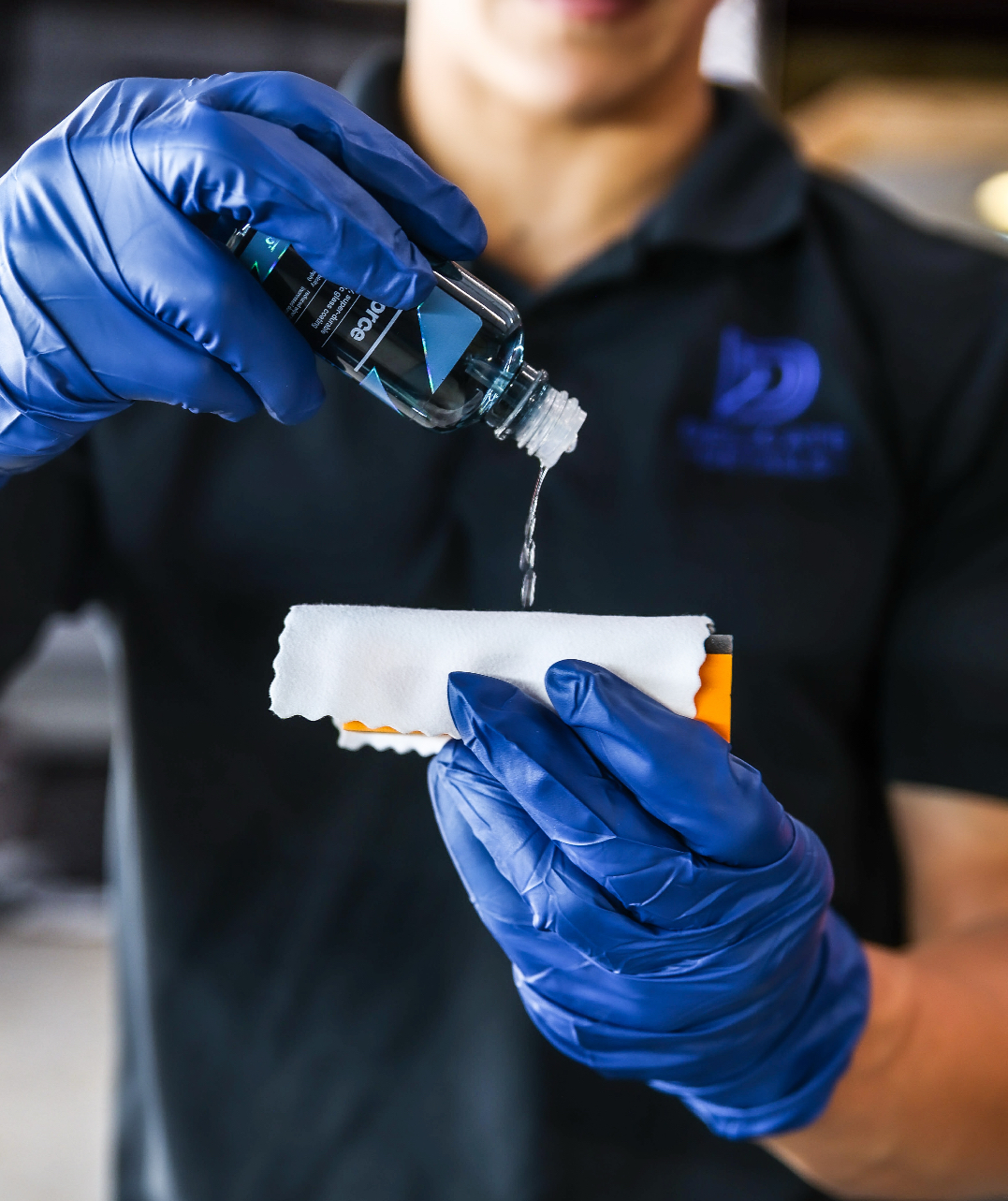
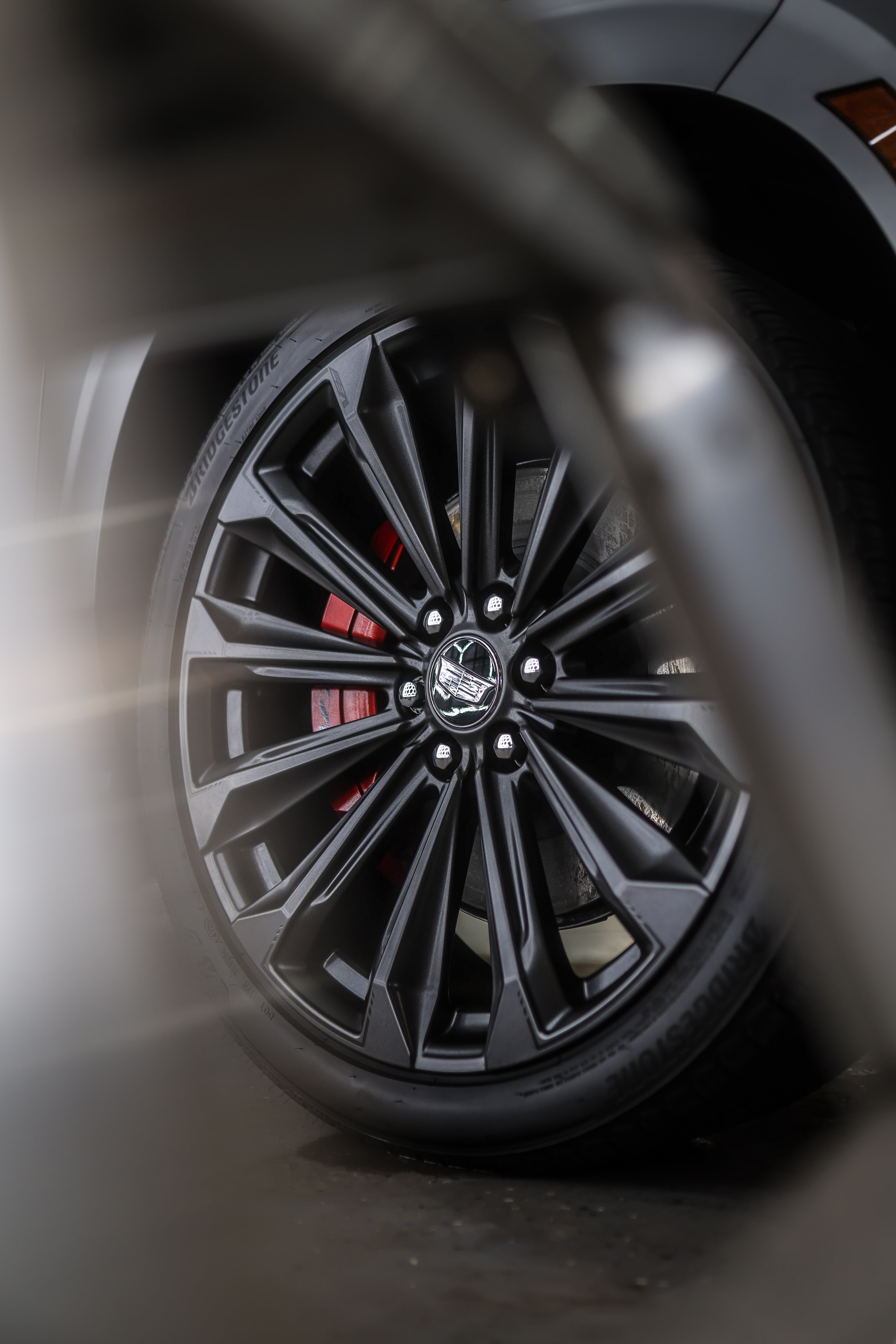
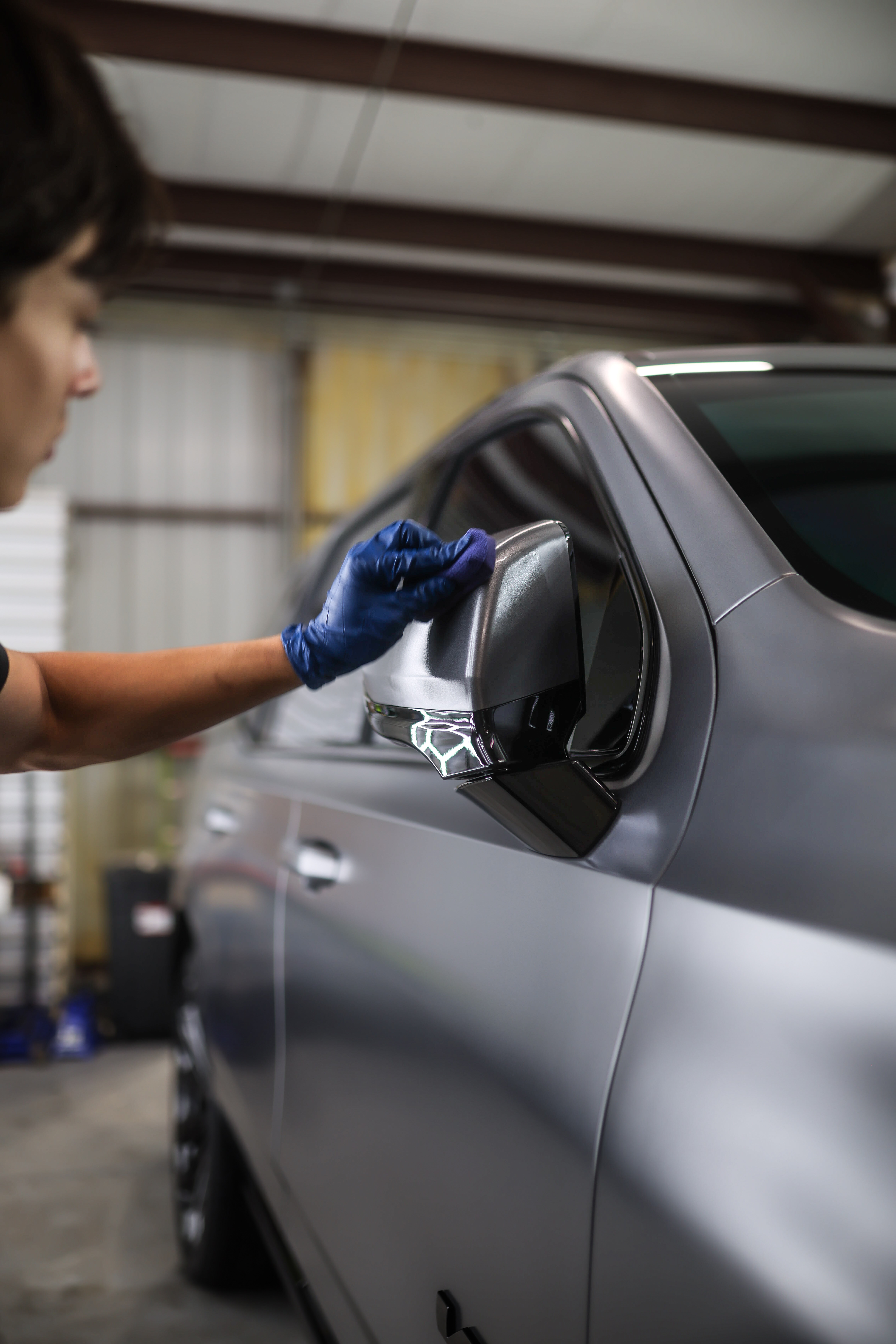
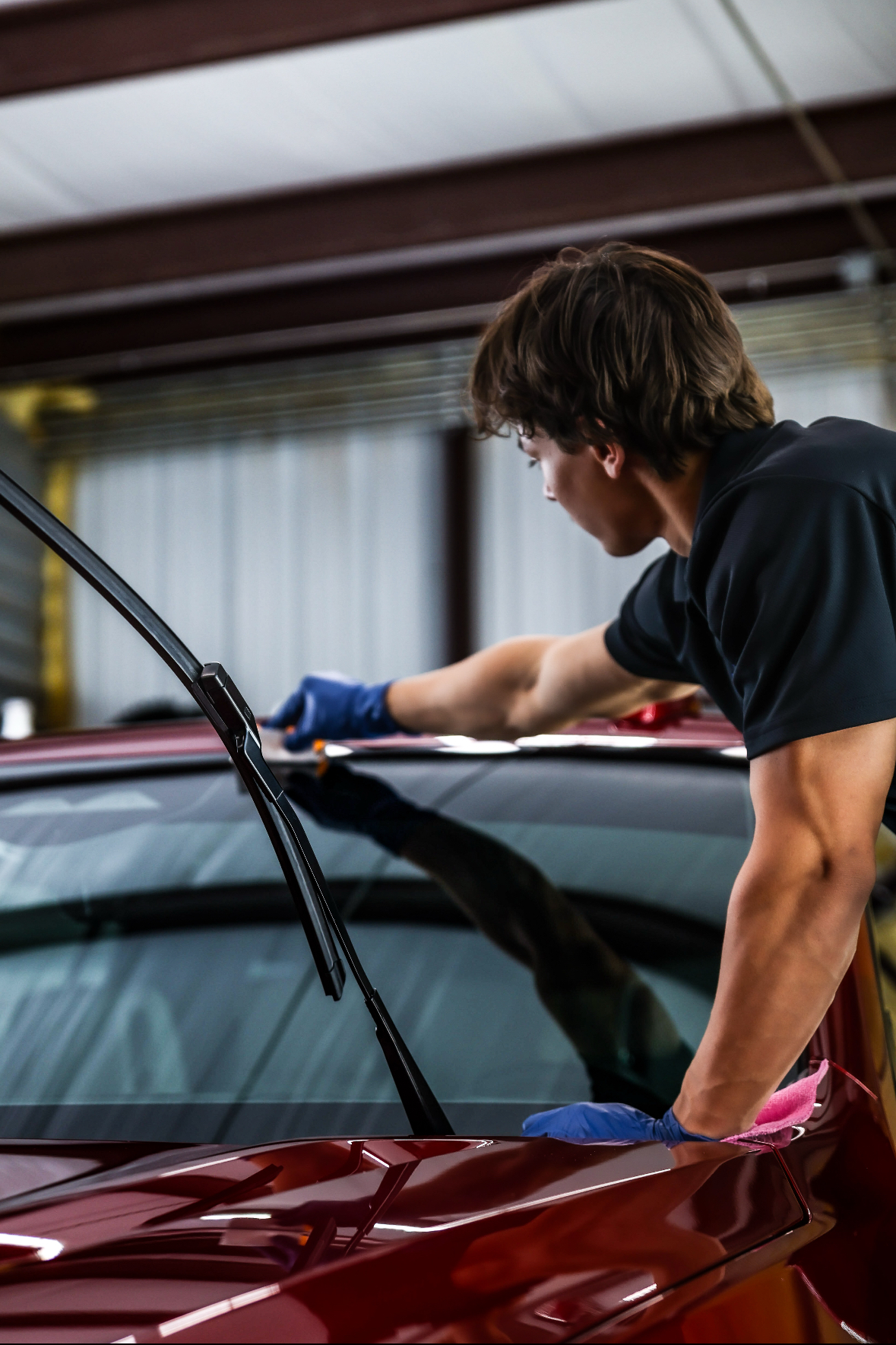
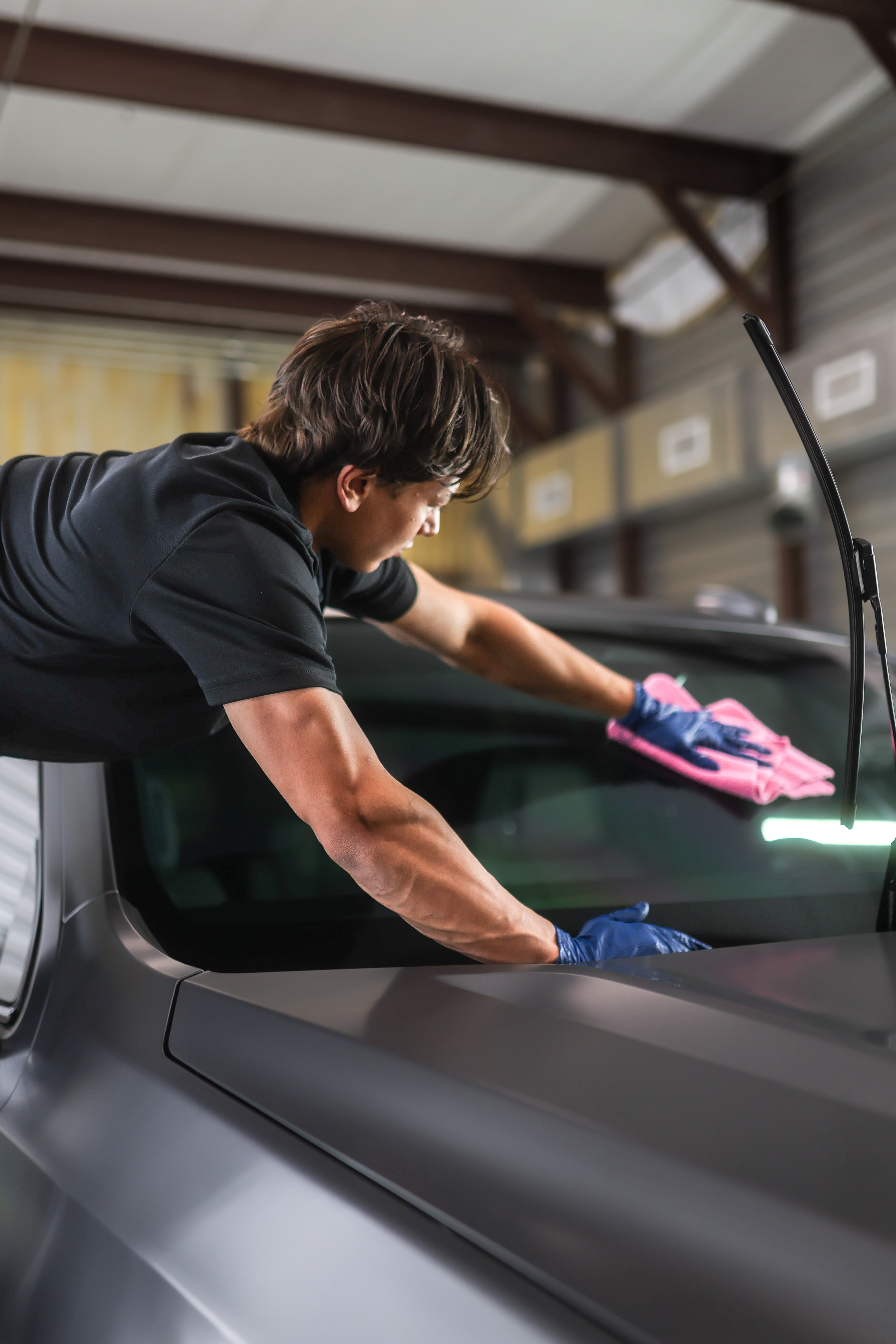
Every vehicle that leaves our shop is a reflection of our standard. Here's what that looks like.
Professional-grade ceramic coatings applied in our controlled shop environment. The cured layer adds hydrophobic and chemical-resistant behavior that can make routine cleaning easier.
Multi-stage machine polishing under dedicated lighting. We improve suitable swirl marks, water spots, and clear-coat scratches, then apply the selected protection after inspecting the finish.
Full interior and exterior detailing done right — steam extraction, leather conditioning, clay bar, iron decontamination, and paint sealant. Every step matters. Every surface gets attention.
Every photograph and clip on this page is a customer vehicle, photographed in our shop in Lubbock. None of it is stock photography, manufacturer imagery, or work done by anyone else. If a vehicle is on this page, it was in our bay.
Paint defects are a lighting problem before they are a polishing problem. Swirl marks, holograms and hazing are effectively invisible under shade or overcast sky, which is why a vehicle can look flawless in a driveway and terrible under a service-station canopy. The inspection lighting you see in these photos is what makes the defects visible in the first place — and being able to see them helps us judge what can be improved safely rather than promising complete removal.
A clean car and a corrected car are different things. The way to tell them apart is the reflection: on properly corrected paint, the edge of a reflected object stays sharp and the line does not break up as it travels across the panel. Look at the overhead lights and the horizon lines in these images rather than at the colour. That is what you are paying for with paint correction, and it is the part a wash can never produce.
Most of these vehicles came in carrying the same three things: caliche dust that is abrasive and mildly alkaline, hard-water spotting from mineral-heavy Lubbock water, and UV damage from sun exposure that runs year-round here. Those are the defects we correct most often, and they are the reason protection matters more in this climate than the national advice suggests.
Daily drivers, work trucks, family SUVs, and the occasional exotic. The process does not change with the badge on the hood — a well-kept Silverado gets the same decontamination and inspection as anything else that comes through. What changes is the condition of the paint and how many correction stages it needs to get right.
Yes. Every photograph and clip in this gallery is a customer vehicle photographed at the Delicate Details shop in Lubbock. None of it is stock photography, manufacturer imagery, or work performed by anyone else.
Paint defects are a lighting problem before they are a polishing problem. Swirl marks, holograms and hazing are effectively invisible in shade or under overcast sky, so dedicated inspection lighting is what makes them visible enough to remove completely rather than partially.
Look at the reflections rather than the colour. On properly corrected paint the edge of a reflected object stays sharp and the reflected line does not break up as it travels across the panel. A wash alone cannot produce that.
Daily drivers, work trucks, family SUVs, general aviation aircraft, and the occasional exotic. The process does not change with the badge — what changes is the condition of the paint and how many correction stages it needs.
Three things dominate: caliche dust that is abrasive and mildly alkaline, hard water spotting from mineral-heavy local water, and UV oxidation from year-round sun exposure. Those are the defects corrected most often here.