Real Airframes, Real Hangars
Work done in Lubbock, on customer aircraft. Nothing here is stock photography.
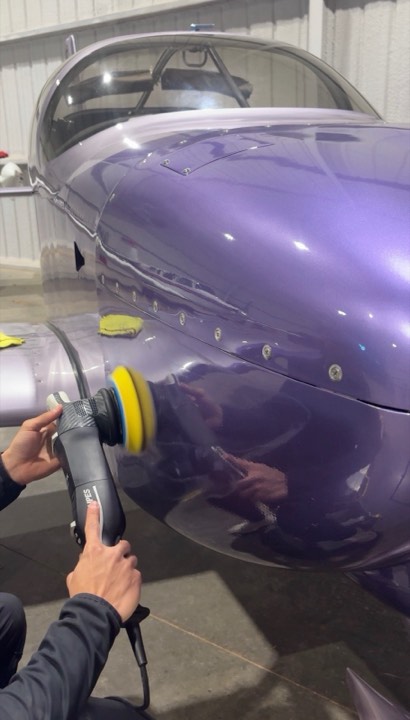
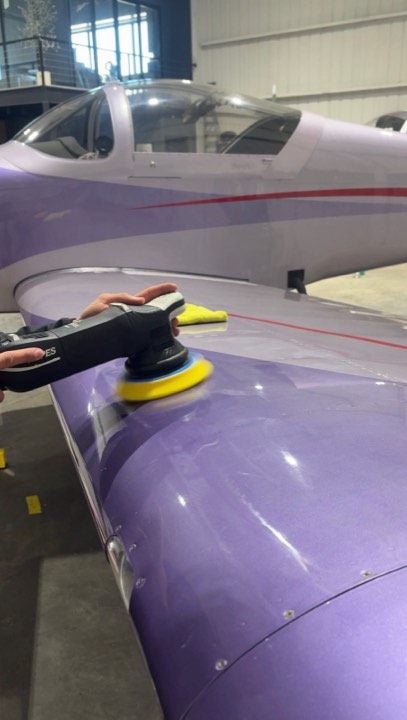
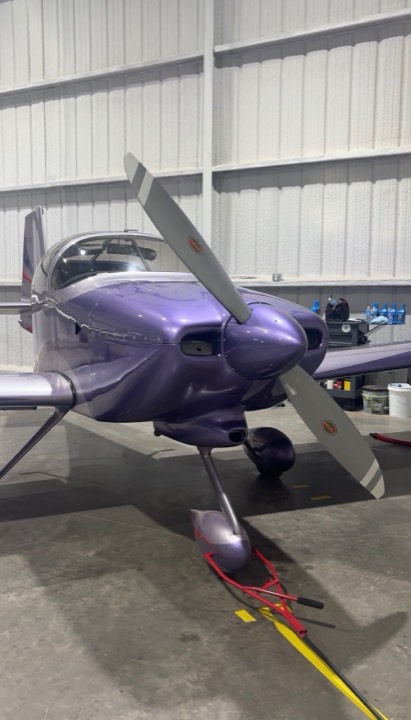
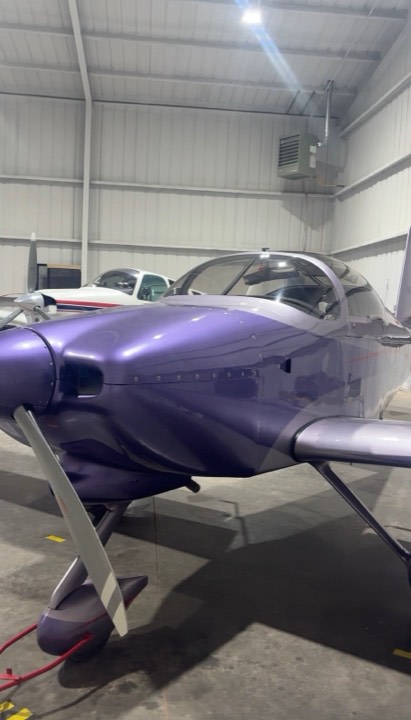
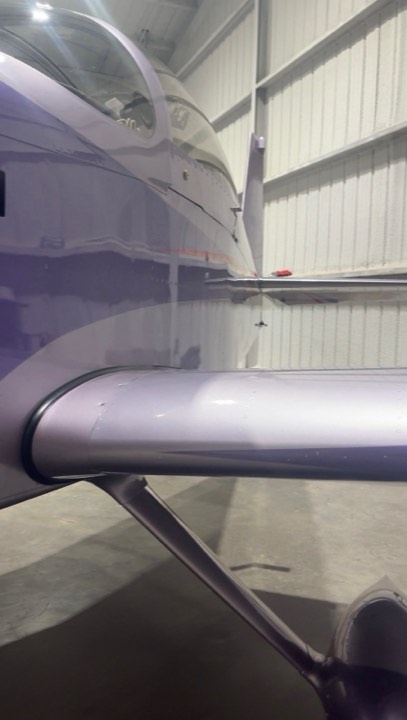
Aircraft finishes are not automotive finishes, and the consequences of getting it wrong are different. Corrosion-conscious cleaning for the South Plains.
Delicate Details offers aviation detailing at your hangar or tie-down in Lubbock, TX, quoted by airframe size, condition, and access. Services include exterior wash and decontamination, belly and exhaust residue removal, brightwork and polished aluminum, and interior detailing. Lubbock is an active aviation region, home to Preston Smith International, Town & Country Airpark, and a dense network of ag strips across the South Plains, and the cleaning chemistry used has to be compatible with aluminum since the wrong product can initiate corrosion rather than prevent it.
Lubbock sits at the center of a genuinely active aviation region. Preston Smith International, Town & Country Airpark, and a dense network of ag strips across the South Plains mean a large population of piston singles, turbines, and working spray aircraft — all of it operating in an environment that is unusually hard on airframes.
The West Texas combination is specific: relentless UV, alkaline dust, mineral-heavy water, and wide daily temperature swings. On an aircraft, that mix does not just dull paint. It drives filiform corrosion under the finish, degrades sealant at lap joints, and etches acrylic windows in ways that are expensive to reverse.
Aircraft work is different from automotive work in ways that matter. Cleaning chemistry has to be compatible with aluminum, and the wrong product can initiate corrosion rather than prevent it. Areas that look like ordinary surfaces — static wicks, pitot tubes, antennas, drain holes, control surface gaps — are not places to run a pressure washer or a polisher. We work around them deliberately.
Aircraft services are performed at your hangar or tie-down. Scope and pricing depend on airframe size, condition, and access.
Wet or dry wash depending on your hangar's water and runoff situation. Removes accumulated dust, oxidation film, insect residue on leading edges, and environmental fallout without introducing moisture where it should not go.
Exhaust soot and oil residue accumulate along the belly and aft of the exhaust stacks, and they bond hard. Removal requires appropriate solvent chemistry and patience rather than aggressive scrubbing on a painted surface.
Polished aluminum requires progressive compound stages and hand finishing. Unlike painted surfaces, bare aluminum oxidizes continuously and needs both correction and a protective step to hold a finish.
Cabin cleaning, leather treatment, carpet extraction, and panel work. Cockpit surfaces, instrument faces, and acrylic get materially different handling than cabin surfaces.
Protective coatings appropriate for aircraft finishes, focused on UV resistance and making subsequent cleaning less aggressive.
Scope varies considerably by airframe. Pricing is always quoted after seeing the aircraft rather than from a menu.
The most common work we do. Full exterior, belly, brightwork, and interior on privately owned and flight-school aircraft based across the Lubbock area.
Larger surface area, more complex access, and finishes that often warrant a more conservative approach. Quoted individually.
Ag aircraft take chemical exposure that nothing else does. Residue removal, corrosion-conscious cleaning, and post-season deep work.
Composite and fabric surfaces, polished aluminum restorations, and airframes where the finish itself is part of the value.
Yes. Exterior wash and decontamination, belly and exhaust residue removal, brightwork polishing, interior detailing, and protective coatings. Work is performed at your hangar or tie-down at Preston Smith International, Town & Country Airpark, or area strips.
Substantially. Cleaning chemistry has to be aluminum-compatible or it can initiate corrosion, acrylic windows craze permanently with the wrong products, and areas like static wicks, pitot tubes, and antennas have to be worked around rather than cleaned through.
No. We are a detailing operation and we do not perform maintenance, inspections, or any work requiring certificated personnel. Anything airworthiness-related belongs with your A&P or maintenance shop.
It is quoted after seeing the aircraft. Airframe size, current condition, brightwork extent, and hangar access all change the scope significantly, and a menu price would be meaningless. Call (806) 855-8042.
The combination of high UV exposure, alkaline caliche dust that holds moisture against aluminum, mineral-heavy water that etches as it evaporates, and wide daily temperature swings. Together they drive both finish degradation and corrosion faster than milder climates.
Yes. Ag aircraft carry chemical exposure no other airframe sees, and post-season cleaning is genuinely preventive rather than cosmetic. Scope depends on the season's chemical load and airframe condition.
Aircraft work is arranged case by case around hangar access, so the practical question is usually logistics rather than distance. Owners hangared at Lubbock Preston Smith International (KLBB), Lubbock Executive Airpark, and Town & Country Airpark are all inside our normal working area, and we regularly arrange scheduled work at surrounding South Plains fields.
West Texas conditions drive most of what we do differently here. Caliche dust settles on every horizontal surface between flights and is both abrasive and alkaline. Water from the Ogallala Aquifer is mineral-heavy and spots aggressively as it evaporates on a hot airframe. And with 300-plus days of sun a year, ramp-parked aircraft oxidize on a noticeably faster schedule than hangared ones. None of that changes what good technique is — it changes how quickly the consequences of bad technique show up.
If you are comparing shops, the question worth asking is not what products someone uses. It is whether they will tell you what they are not going to touch. Static ports, pitot tubes, drain holes, inspection panels, and anything requiring certificated personnel are all on our list.
Tell us the airframe and where it is based and we will give you a straight scope and number.
Book Now →Work done in Lubbock, on customer aircraft. Nothing here is stock photography.