Real Airframes, Real Hangars
Work done in Lubbock, on customer aircraft. Nothing here is stock photography.
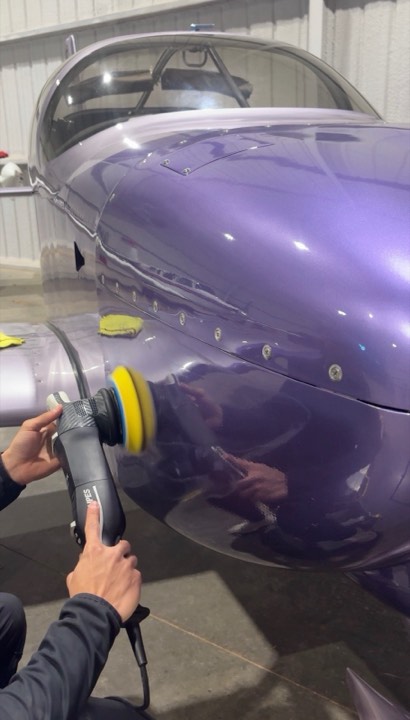
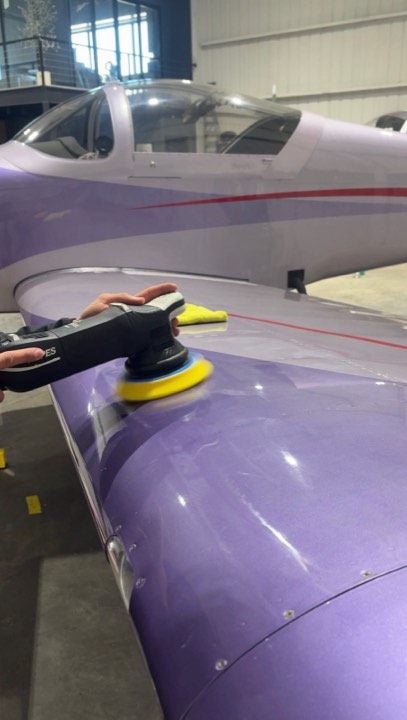
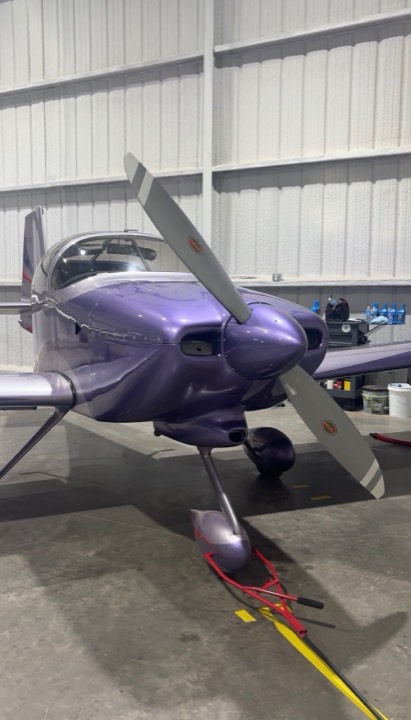
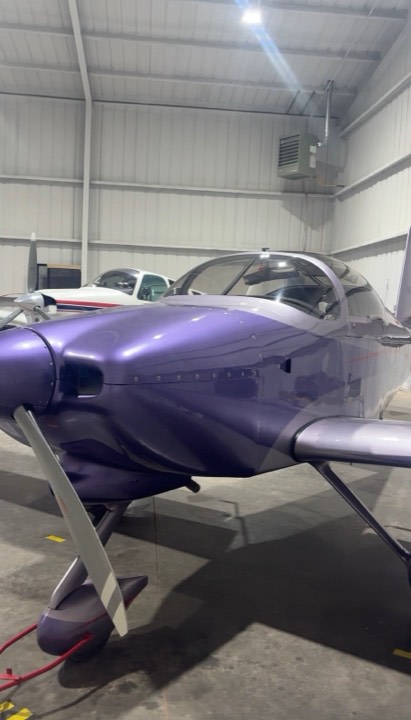
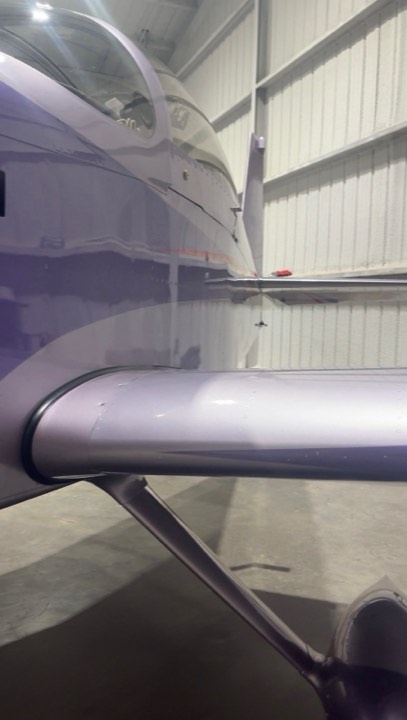
The belly is the most deferred area on most airframes and the one where deferral actually costs something.
Delicate Details offers aircraft belly cleaning in Lubbock, TX, quoted by airframe size, condition, and access. The belly is the most deferred area on most airframes and the one where deferral actually costs something: exhaust residue is acidic and hygroscopic, holding moisture against painted aluminum and attacking the finish and the metal beneath it. Service is performed at your hangar or tie-down using aircraft-appropriate chemistry, not automotive products.
Exhaust residue is a mix of unburned hydrocarbons, combustion byproducts, and oil. It leaves the stacks hot, lands on the belly, and bonds as it cools. Over a season it builds into a hard, dark film aft of the exhaust and along the lower fuselage.
The problem is not that it looks bad. It is that the residue is acidic and hygroscopic — it holds moisture against the surface. On a painted aluminum belly that combination attacks the finish and then the metal underneath, and it does it in the least-inspected area of the airframe.
In West Texas the accumulation compounds with caliche dust, which sticks to the oil film and adds an abrasive, alkaline layer on top of an acidic one.
This is a patience job. The residue comes off with appropriate chemistry and dwell time, not with pressure and abrasion.
Identify the finish, check for existing paint damage, and locate drain holes, antennas, static ports, and any inspection panels that should not take solvent or water.
An aircraft-appropriate degreaser is applied and given time to break the bond. Multiple light applications work; one aggressive scrub does not.
Residue is lifted with soft media and repeated passes. Hard-bonded areas get additional dwell rather than additional force.
Surfaces are rinsed or wiped down to remove all solvent residue, then inspected while clean — this is the only time anyone sees the belly clearly.
Exhaust residue is acidic and holds moisture against the surface. On a painted aluminum belly that combination attacks the finish and then the metal underneath, in the least-inspected area of the airframe.
It depends on hours flown and engine condition, but most owners benefit from addressing it well before it builds into a hard baked film. Once it bonds it takes considerably more work and more contact with the paint to remove.
Not advisable. Pressure drives water and solvent into drain holes, static ports, control surface gaps, and inspection panels where it should not go, and it does not remove bonded residue any better than dwell time does.
Done correctly, no. Done with aggressive scrubbing on baked residue, yes — carbon particles get dragged across the finish. The correct approach is aircraft-appropriate chemistry with adequate dwell and soft media.
Tell us the airframe and hours since it was last done and we will give you a realistic scope.
Book Now →Work done in Lubbock, on customer aircraft. Nothing here is stock photography.