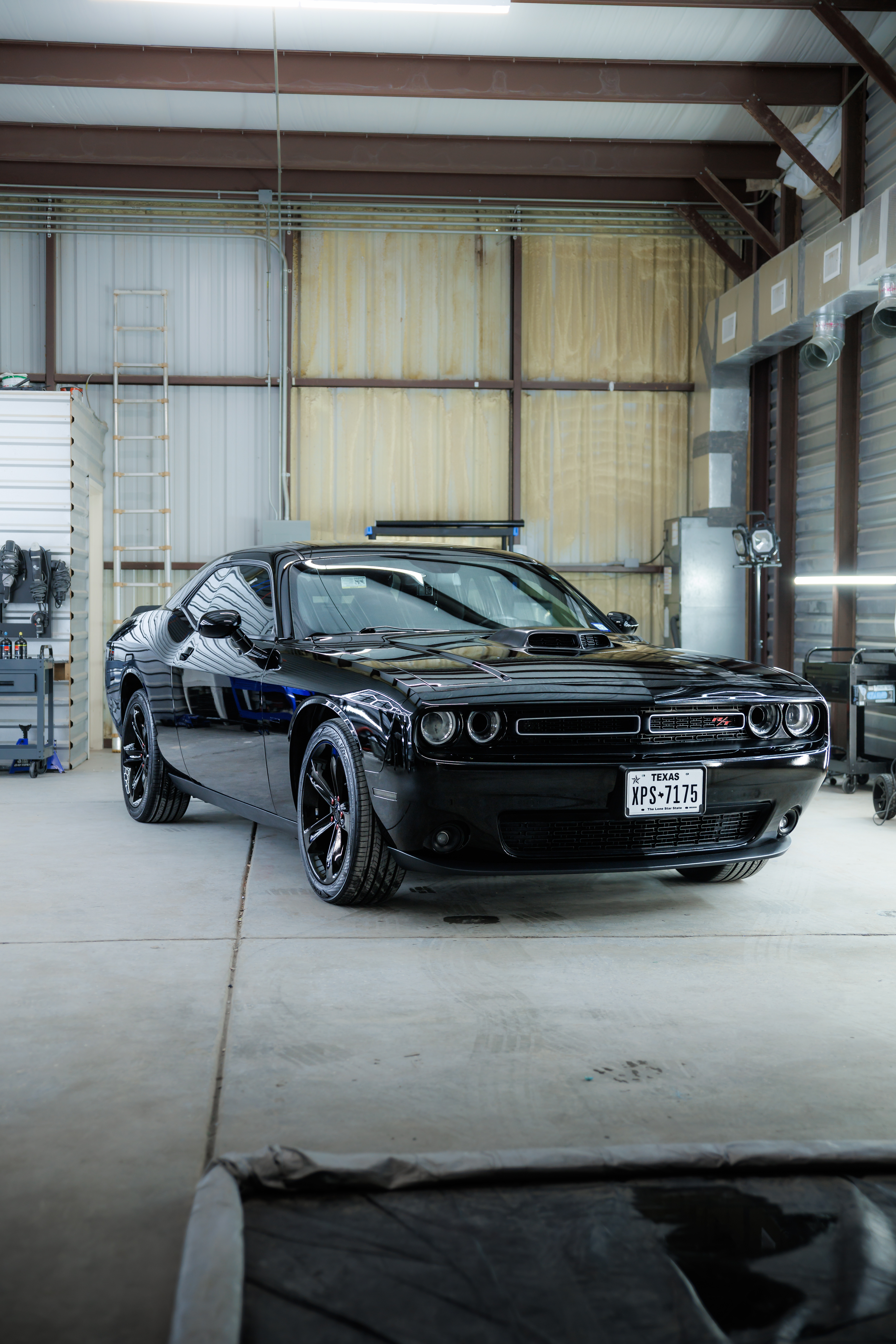
Do You Need Paint Correction Before Ceramic Coating?
Quick answer: Ceramic coating needs a properly cleaned and prepared surface, but every vehicle does not automatically need the same level of paint correction. Polishing is recommended when removable swirls, haze, oxidation, or etching would remain visible under the coating and the paint can be safely improved.
Ceramic coating is transparent. It can add gloss and change surface behavior, but it does not cover rock chips, dents, peeling clear coat, deep scratches, or poor bodywork. Whatever remains in the paint before installation can remain visible afterward.
Preparation and Correction Are Not the Same Thing
Every coating job needs preparation: a thorough wash, suitable chemical and mechanical decontamination when needed, drying, inspection, and removal of polishing oils or residue before application. Paint correction is the separate step of machine polishing to improve suitable defects in the paint or clear coat.
The CarPro CQuartz SiC instructions call for clean, decontaminated paint, polishing to a high level, and an oil-removal step before coating. The amount of actual correction still depends on the vehicle and the agreed appearance goal.
When Correction Usually Adds Value
- Swirl marks are obvious in sunlight or inspection lighting.
- The finish looks hazy even after proper washing and decontamination.
- Light oxidation or water-spot etching is suitable for safe polishing.
- Previous machine work left holograms or buffer trails.
- You want the best realistic finish before locking in a longer service tier.
Longer coating terms make careful preparation more important because the customer intends to keep the installed surface for longer. That does not justify chasing every defect. Clear coat is finite, and some marks are safer to leave.
When a Heavy Correction May Not Be Necessary
A well-kept new or recently corrected vehicle may need only decontamination, inspection, and a light finishing step—or no defect-removal step beyond what the selected system requires. The decision should be made after seeing the paint clean, not from mileage alone.
A work truck can also be a good coating candidate without show-car correction if the owner’s priority is easier maintenance rather than maximum visual perfection. The scope should match the goal.
What Correction Cannot Fix
Machine polishing improves defects in a polishable paint layer. It does not replace missing paint. A scratch that exposes color coat or primer, a chip, cracked clear coat, peeling paint, deep chemical damage, and dents may need touch-up or body repair. Our detailing limits guide explains those boundaries.
How Delicate Details Decides
- We ask what result you care about and how long you plan to keep the vehicle.
- We inspect the finish after cleaning and decontamination.
- We identify defects that may improve and damage that will not.
- We choose a conservative test area when correction is being considered.
- We confirm added correction and price before doing work beyond the agreed package.
Current paint-correction starting prices are $250 for an enhancement, $350 for single-step correction, $650 for two-step correction, and $850 for three-step correction on sedans; larger vehicles cost more. Those are separate condition-based services, not an automatic charge attached to every coating.
The Best Question to Ask
Instead of asking, “Does every coating need correction?” ask, “What will still be visible if we coat this paint as it is?” That answer connects the preparation plan to your actual vehicle and budget.
How this guide was prepared: Delicate Details combines shop experience with the primary sources linked above. Product instructions, vehicle conditions, and official rules can change; the current manufacturer or agency source controls.
Get the Paint Inspected First
Send daylight photos and your coating goal. We will explain the smallest preparation plan that reasonably fits the finish.
Get a Quote →