Clear Coat Peeling and Sun Damage in Lubbock TX
Peeling clear coat and correctable oxidation can look similar in photos. An in-person inspection and a cautious test area help determine whether polishing may improve the finish or the panel needs paint repair.
Machine polishing may improve suitable oxidation or surface defects, but it cannot replace clear coat that is missing, peeling, or separating. A ceramic coating also needs a stable, compatible surface; it does not rebuild a failed paint layer. Inspection and a cautious test area help determine whether polishing is appropriate or the panel needs paint repair or refinishing.
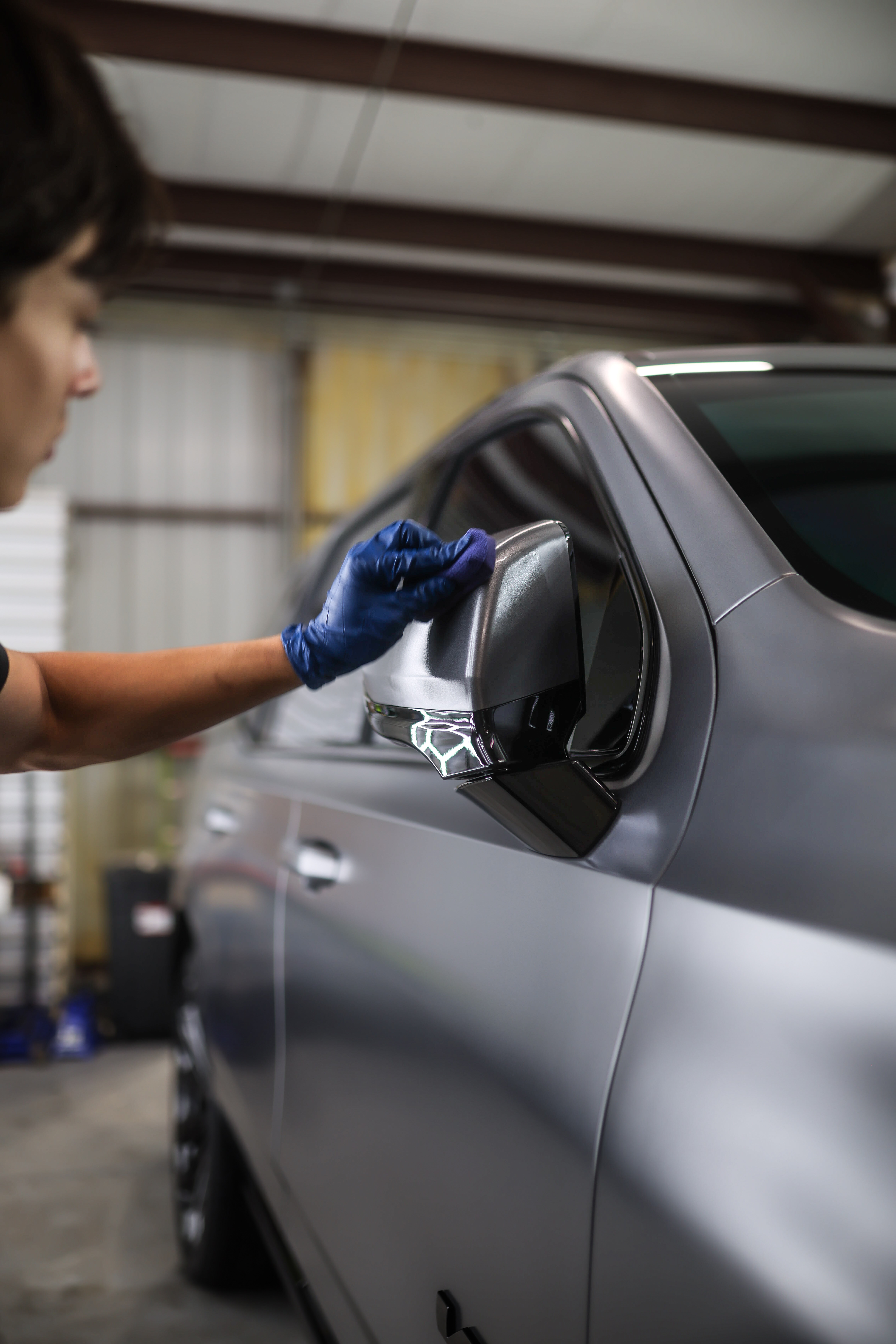
Why Horizontal Panels Often Show Damage
Roofs, hoods, and upper bed rails can receive sustained sun, heat, mineral deposits, and environmental exposure. That does not create one universal failure pattern: paint system, age, storage, prior repairs, washing, and maintenance all affect what happens and when.
Dullness, chalking, peeling, lifting edges, checking, and color change are different inspection clues. A photo may help with triage, but it cannot confirm remaining film build, prior repair quality, or whether polishing is safe.
Why Polishing Has Limits
Machine polishing removes a small amount of material to level suitable surface defects. It cannot replace clear coat that is missing, peeling, or separating from the layer below.
When delamination is suspected, aggressive polishing can remove unstable material without repairing the paint system. Delicate Details inspects the panel and may decline correction on the affected area or recommend a paint-repair or refinishing provider.
What the Next Step May Be
Inspection and a test area: If the finish is dull but stable, a cautious test may show whether safe improvement is possible.
Paint repair or refinishing: Peeling, flaking, exposed base color, or failed prior repair may need a qualified body or paint provider. The necessary repair depends on the affected layers and panel condition.
Care for stable areas: Washing and compatible protection may help maintain panels that are still sound, but no coating can guarantee that aging or damaged paint will not fail later.
A ceramic coating needs a stable, compatible surface. It cannot rebuild missing clear coat or stop an already delaminating layer from separating.
Oxidation Versus Delamination
Dull or chalky paint may have several causes, including contamination, oxidation, prior products, sanding haze, or paint-system damage. Some stable finishes may improve after inspection and a test area; others should not be polished.
Visible peeling, flaking, lifting edges, exposed color, or a change in surface level can indicate failure that polishing cannot replace. If the diagnosis is uncertain, stop before using an abrasive and have the panel inspected.
For a vehicle stored outdoors in Lubbock, periodic washing and visual inspection can help catch changes early, but there is no universal inspection interval or guaranteed prevention method.
Frequently Asked Questions
Can peeling clear coat be fixed by polishing?
Machine polishing cannot replace missing or delaminating clear coat. Inspection should confirm whether the panel has surface oxidation that may improve or coating failure that needs a paint-repair or refinishing provider.
Why can the roof and hood show damage first?
Horizontal panels often receive sustained sun, heat, mineral deposits, and environmental exposure, but failure rate also depends on the paint system, age, storage, prior repairs, washing, and maintenance.
Can you ceramic coat over peeling clear coat?
A coating needs a stable, compatible surface. It cannot rebuild missing clear coat or stop an already delaminating layer from separating, so failed areas should be assessed for paint repair or refinishing first.
What's the difference between oxidation and clear-coat failure?
Dullness or chalking may have several causes and sometimes improves with a safe test area. Peeling, flaking, lifting edges, exposed base color, or failed prior repair can indicate delamination that polishing cannot replace. Inspection is required.
Not Sure Which One You Have?
Send clear photos or arrange an inspection. We can assess whether a test area is appropriate and explain when the safer next step is a paint-repair or refinishing provider.
Get a Quote (806) 855-8042