How to Protect a Black Car's Paint
in Lubbock, TX
Inspect first, then choose correction and protection separately. Dark paint can make marring and mineral residue easy to see, but correction is not automatically required and coating does not prevent new defects. Clean wash media, lubrication, prompt contaminant removal, and product-specific care matter most.
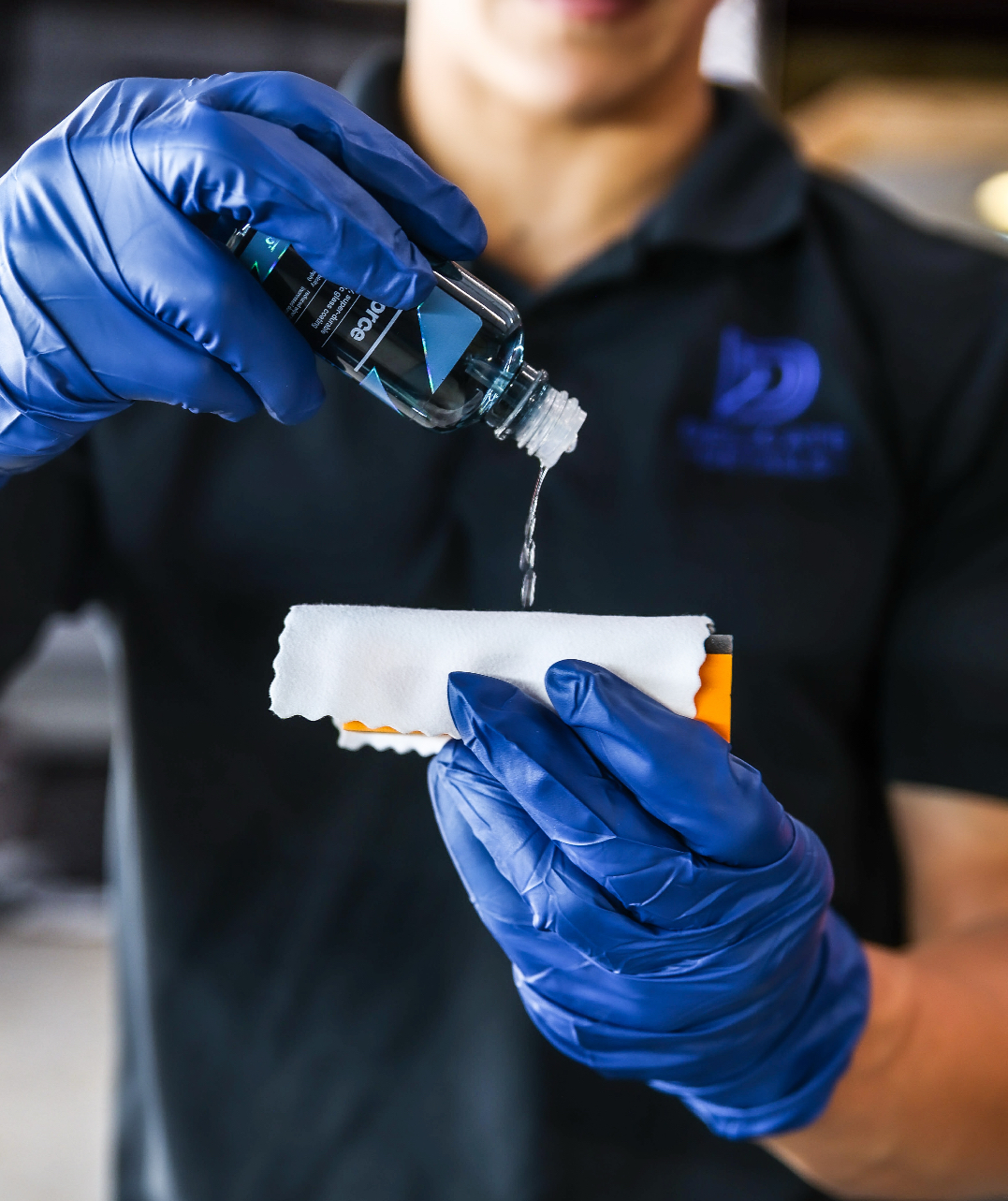
Black paint often makes wash marks, water spots, and polishing haze easier to see under direct light than lighter colors. Careful washing and realistic correction choices matter, especially for vehicles parked outdoors.
Why Black Shows Everything
Lighter colors scatter reflected light, which hides minor surface imperfections. Black paint reflects light directly, so any disruption in the surface — a swirl, a scratch, a water spot etching — reads as a stark visual break against the dark background. It's not that black paint is more fragile; it's that the flaws are simply more visible.
Where the Damage Comes From
- Contaminated wash media: brushes, towels, or mitts carrying grit can add marring; risk depends on equipment, chemistry, pressure, and technique
- Hard water spots: Lubbock's water is mineral-heavy, and evaporating water spots etch a visible ring on dark paint
- Improper drying: wiping down with a dry or dirty towel drags grit across the surface
Choose Correction and Protection Separately
Paint correction may improve suitable defects within healthy clear coat. A test area determines the safe improvement; deep damage, thin paint, prior repairs, or failure can limit polishing. Wax, sealant, coating, or no additional protection can then be compared separately. A coating may make some residue easier to remove but does not stop water spots or scratches.
For black vehicles specifically, color alone does not determine the stage. Compare the same test area under useful lighting and approve additional polishing only when the extra step creates worthwhile improvement within safe paint limits.
Maintaining It After
Follow the written directions for the installed protection. Use clean wash media and compatible products, avoid dry wiping, and remove bird droppings, bugs, sap, and mineral deposits promptly. No protection option makes poor washing harmless.
Related Reading
Ready to Protect Your Vehicle?
We'll inspect your paint and tell you exactly what it needs — we will share current appointment availability.
Keep Your Coating Performing.
Founding memberships are $99 for Exterior Detail, $149 for Full Detail, or $249 for Premium Detail. Each option has one set rate for qualifying cars, trucks, and SUVs.