Model and year
We confirm the vehicle before discussing scope because names, generations, and glass layouts do not describe one universal installation.
- Model 3 and Model Y
- Model S and Model X
- Cybertruck and other configurations
Model 3, Model Y, Model S, Model X, and Cybertruck glass should be quoted from the exact vehicle and selected windows—not from a generic Tesla label. We confirm the model, year, glass, existing film, legal target, film line, shade, and written scope before scheduling.
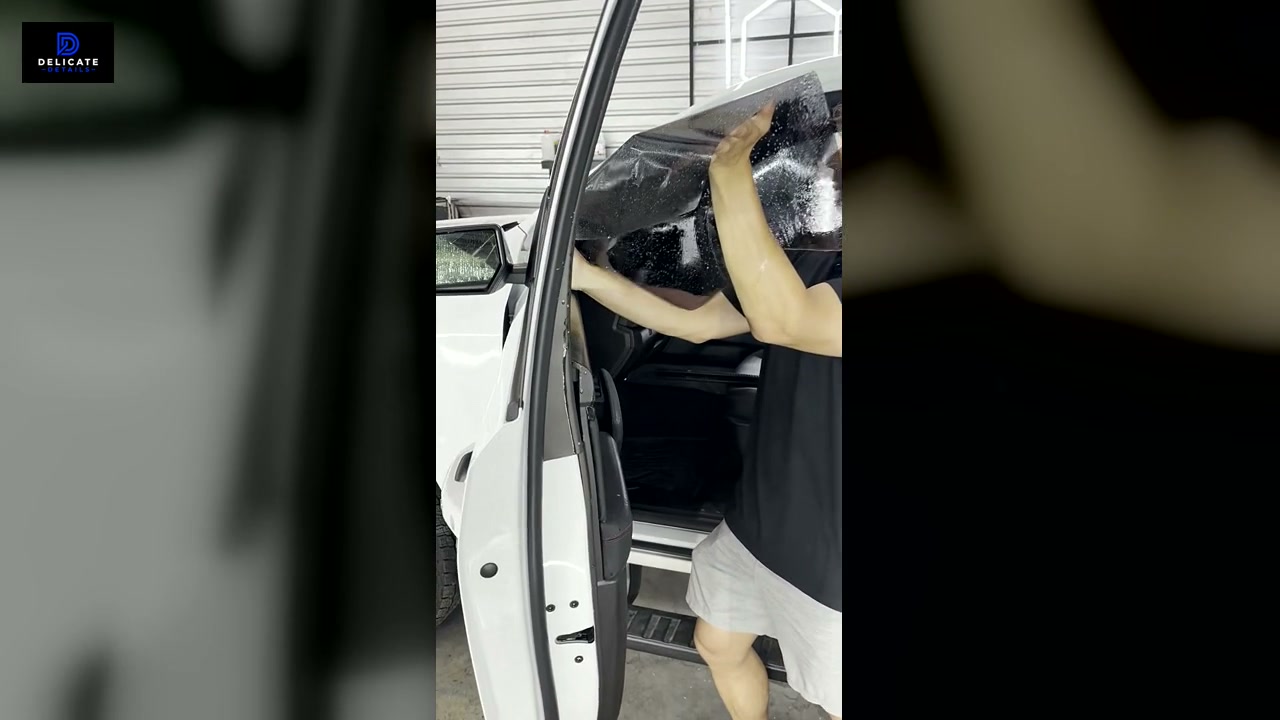
Glass layout, factory shading, roof construction, prior film, and requested coverage can vary by model, year, and configuration. A Model 3 quote should not automatically be copied to a Model Y, Model S, Model X, or Cybertruck. Send the VIN or exact model year when available, identify every window you want considered, and include clear photos if the glass or existing film is uncertain.
Tesla publishes separate current instructions for Model 3 windows and Model Y windows. Those manuals say the door windows move slightly during door operation. For those models, the completed installation is checked with the windows and doors operating normally; unexpected window behavior is handled as a vehicle-specific concern, not as a blanket claim that every Tesla needs calibration. The manuals do not establish aftermarket-film compatibility or replace a model-year inspection.
We confirm the vehicle before discussing scope because names, generations, and glass layouts do not describe one universal installation.
Front doors, rear doors, quarter glass, hatch glass, windshield areas, and roof glass are separate decisions. The written quote should list what is included.
Dark-looking factory glass does not identify its solar performance or finished VLT. Existing glass is inspected and measured before a film and shade are finalized.
Texas requirements apply to the completed glass-and-film combination in regulated positions. A film label alone does not establish the final window measurement.
Carbon and ceramic are broad categories. The manufacturer, exact series, shade, product data, covered glass, and applicable written warranty should appear in the project documents.
Old film, adhesive, defroster lines, damage, contamination, or prior removal work can change the scope. Removal is assessed separately instead of assumed.
A panoramic or overhead glass panel should be identified by the exact vehicle and reviewed separately from the door glass. Factory construction, shading, coatings, dimensions, access, owner guidance, film-manufacturer guidance, and the result you expect can all affect whether an aftermarket product should be considered. Use our panoramic roof-glass tint guide to gather the glass markings, photos, operation details, and product questions needed for a useful review.
We do not make a blanket recommendation to tint every Tesla roof. The quote should state whether roof glass was requested, reviewed, included, excluded, or referred for further product guidance. Review the current documentation available through the Tesla owner's-manual selector and the relevant Tesla cleaning and window-treatment guidance for the exact model and manual version. A general Tesla page does not replace the instructions for a specific vehicle.
A film called carbon or ceramic can differ by manufacturer, series, shade, construction, published solar data, color, reflectivity, installation requirements, and warranty terms. The category can begin the conversation, but the exact product should control the claim.
Compare the exact shade on the vehicle and consider the existing glass. Darker appearance does not automatically establish solar performance, signal behavior, or legal compliance.
Use the manufacturer's current technical sheet for the named film. Do not translate one percentage into a guaranteed cabin temperature, charging-range, HVAC, or energy-use outcome.
Some manufacturers identify specific non-metalized films as signal-friendly. That statement belongs to the named product; it does not prove every film called ceramic or carbon behaves the same way.
Coverage depends on the exact product, installation, vehicle glass, customer documentation, exclusions, and current written terms. Ask what is covered and who provides the remedy.
Texas DPS publishes requirements for windshield sunscreening devices, the windows immediately beside the driver, reflectance, rear glass, exemptions, and compliance labeling. The regulated result can depend on the combined original glass and applied film. Rules and agency guidance can change, so current official information controls.
Review the Texas DPS window-tinting standards and our plain-language Texas tint guide. A Model 3, Model Y, or any other Tesla name does not create its own exemption from the state requirements.
A useful Tesla tint invoice should be specific enough to answer what was installed later. Ask for the film manufacturer and full product line, shade, treated glass, removal scope, legal target, written warranty, and care information. Keep those documents with the vehicle record.
Do not rely on a heat-lamp demonstration, shade name, or category label to prove film construction. Do not assume a film will preserve every phone, GPS, toll-tag, radio, key, camera, or driver-assistance behavior without checking the exact product data, glass, device location, and current vehicle or device guidance. Tesla's current camera-visibility guidance emphasizes keeping cameras unobstructed; it does not certify any aftermarket film or installation layout. Read our signal and electronics guide for the documentation questions.
Send the Tesla model, year, selected glass, existing-film details, appearance preference, and any roof, toll-tag, antenna, camera-area, or device questions. We will use those details to confirm the scope and next step.