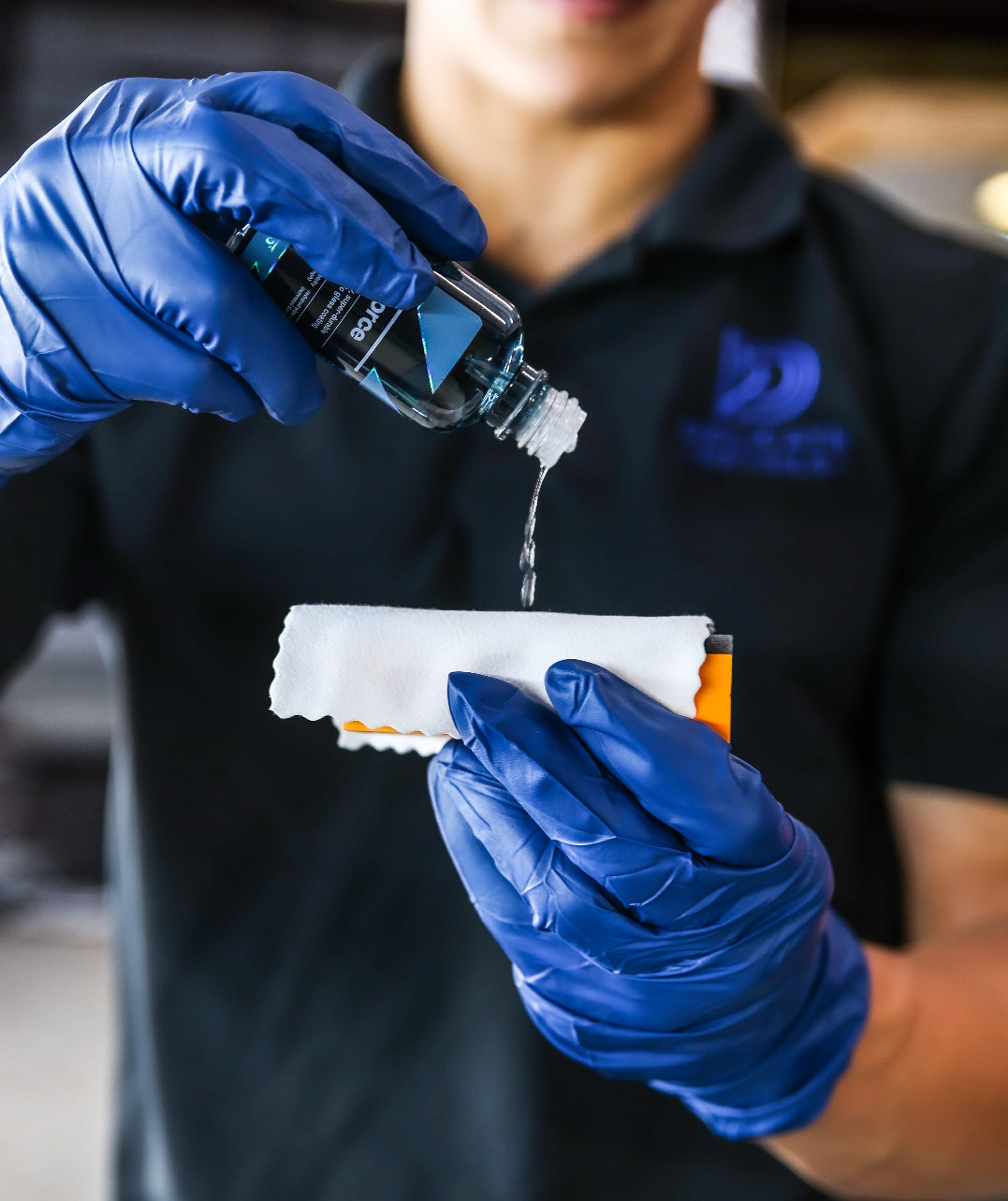
Lubbock gets 263+ sunny days a year at 3,200 feet, where the atmosphere filters less UV than at sea level: that is threat number one. The seasonal rhythm that works: a Full Reset in spring to clear winter grime and refresh protection before peak UV, and another in fall to handle cotton harvest debris and prep for winter.
Lubbock TX sits at 3,200 feet on the South Plains of West Texas — and the environment here is uniquely hostile to vehicles in ways that most car care advice written for coastal or northern climates simply doesn't address. The combination of factors that hit Lubbock vehicles simultaneously doesn't exist in the same form anywhere else. West Texas car care requires a specific strategy, not generic wash-and-wax advice. This is the comprehensive local guide covering every threat and every solution at each protection level.
Lubbock gets 263+ sunny days per year, and at 3,200 feet elevation the atmosphere filters less UV than at sea level. The result: UV radiation hits vehicle paint, leather, rubber, and plastic harder and faster than virtually any major Texas city. Unprotected clear coat oxidizes into that chalky, faded look within 3–5 years on vehicles that sit outside in Lubbock. Black plastic trim fades gray. Leather dries and cracks. Dashboard plastics become brittle. UV is the silent destroyer of vehicle condition in West Texas — and it operates 365 days a year regardless of temperature.
Caliche is calcium carbonate — the white alkaline mineral that makes up unpaved roads, driveways, construction sites, and agricultural land across the South Plains. As a fine dust, it's mildly abrasive. When it lands on paint and dries, it bonds to the surface. When you wipe it off dry, it scratches the clear coat. When it accumulates over time without proper decontamination, it requires clay bar treatment to remove and leaves behind micro-marring in unprotected paint. Every Lubbock vehicle accumulates caliche constantly — the difference is whether it's being properly removed or being rubbed in deeper with every gas station wipe-down.
Lubbock municipal water and well water across the South Plains is hard — high in calcium and magnesium. Sprinkler overspray hitting your parked vehicle, or rinsing your car with a garden hose and letting it air dry, leaves behind white mineral deposits that etch into clear coat over time. Hard water spots that have etched into the clear coat cannot be removed with washing — they require either a dedicated water spot remover, a light polish, or in severe cases paint correction to fully eliminate.
West Texas wind is relentless, and the South Plains has plenty of loose sand and fine debris to put in it. Vehicles parked outside during a sustained south or northwest wind accumulate micro-scratching from airborne particles. This is a slow-accumulation damage — invisible at first, but after a year of Lubbock wind exposure, unprotected dark-colored vehicles show a haze of fine scratching across every horizontal surface.
September through November, the South Plains runs cotton harvest. Cotton lint, module debris, and gin dust are everywhere in Lubbock County and surrounding areas. Cotton burrs scratch clear coat when rubbed, lint packs into grille openings and AC vents, and gin dust is fine enough to drift into every exterior crevice. The fall detail to clean up harvest season accumulation is a Lubbock tradition for good reason.
Lubbock runs 100°F+ for months each summer, and interior temperatures in a parked vehicle hit 150–160°F on the hottest days. This accelerates every chemical degradation process: leather dries faster, rubber seals shrink and crack sooner, interior plastics off-gas and become sticky, and dashboard surfaces fade and crack without UV protection. Heat also amplifies UV damage — the combination of sustained heat and UV is a double attack on every material inside the vehicle.
Regular washing with a foam cannon pre-wash to float debris before contact, hand wash with a proper grit guard, and a spray sealant or quick detailer after drying. This is the baseline that prevents accumulation from becoming permanent damage. In Lubbock, wash every 2 weeks minimum — monthly if you're not driving through caliche regularly.
If your vehicle already has swirl marks, water spot etching, UV oxidation haze, or caliche micro-scratching, those defects need to be corrected before any protection goes on. Applying wax or sealant over damaged paint locks the damage in. Paint correction — 1, 2, or 3-stage machine polishing — removes the existing damage and restores the paint to a corrected baseline that protection can actually preserve.
Ceramic coating is the highest-durability protection available for Lubbock vehicles. It addresses the UV threat, reduces caliche and mineral deposit bonding, makes the paint significantly easier to clean, and provides chemical resistance that wax and sealant cannot match. For any Lubbock vehicle that parks outside regularly and the owner wants to preserve long-term, ceramic coating is the logical endpoint of the protection strategy.
| Detail Package | Sedan | Midsize SUV/Truck | Full-Size Truck/SUV |
|---|---|---|---|
| Stage 1 — Essential Detail | $195 | $220 | $240 |
| Stage 2 — Full Reset & Protect | $350 | $375 | $400 |
| Stage 3 — Premium Detail | $695 | $795 | $895 |
For most Lubbock vehicles, a Stage 2 detail in spring (removing winter grime and refreshing protection before peak UV season) and a Stage 2 detail in fall (cleaning cotton harvest debris and prepping paint before winter) is the baseline annual schedule. Vehicles that haven't been properly detailed in more than a year should start with Stage 3 to correct accumulated damage before the protection layer goes on. Call Delicate Details at (806) 855-8042 and we'll assess your vehicle's current condition and tell you exactly where to start.
We detail and protect vehicles for Lubbock's specific climate — UV, caliche, hard water, and everything the South Plains throws at paint. Book your assessment today.
Book Your Detail →Pre-rinse to flush abrasive grit before anything touches the paint, then two buckets or foam with frequent clean media, then dry rather than air-dry. Ogallala water spots as it evaporates, so drying matters here.
Brush washes are the fastest way to put swirl marks into clear coat. Touchless washes avoid contact but use aggressive alkaline chemistry that strips protection. Neither is a good routine for a car you care about.
It depends on where it lives. A garaged commuter does well on a maintenance detail a few times a year. A truck parked outside on a jobsite needs more, mainly to remove abrasive and acidic material before it bonds.
Caliche dust is abrasive and alkaline and settles on every horizontal surface. Mineral-heavy Ogallala water etches as it dries. And 300-plus days of sun drive UV oxidation. All three compound.