Just Had Body Work Done?
What Fresh Paint Needs
Do not wax, seal, coat, clay, or polish fresh refinish paint until the body shop's cure window has passed. The film keeps releasing solvent vapor well after it feels dry, and sealing it early traps that vapor and causes hazing. You can and should still hand wash gently with pH-neutral soap: keeping contamination off fresh paint matters more than usual.
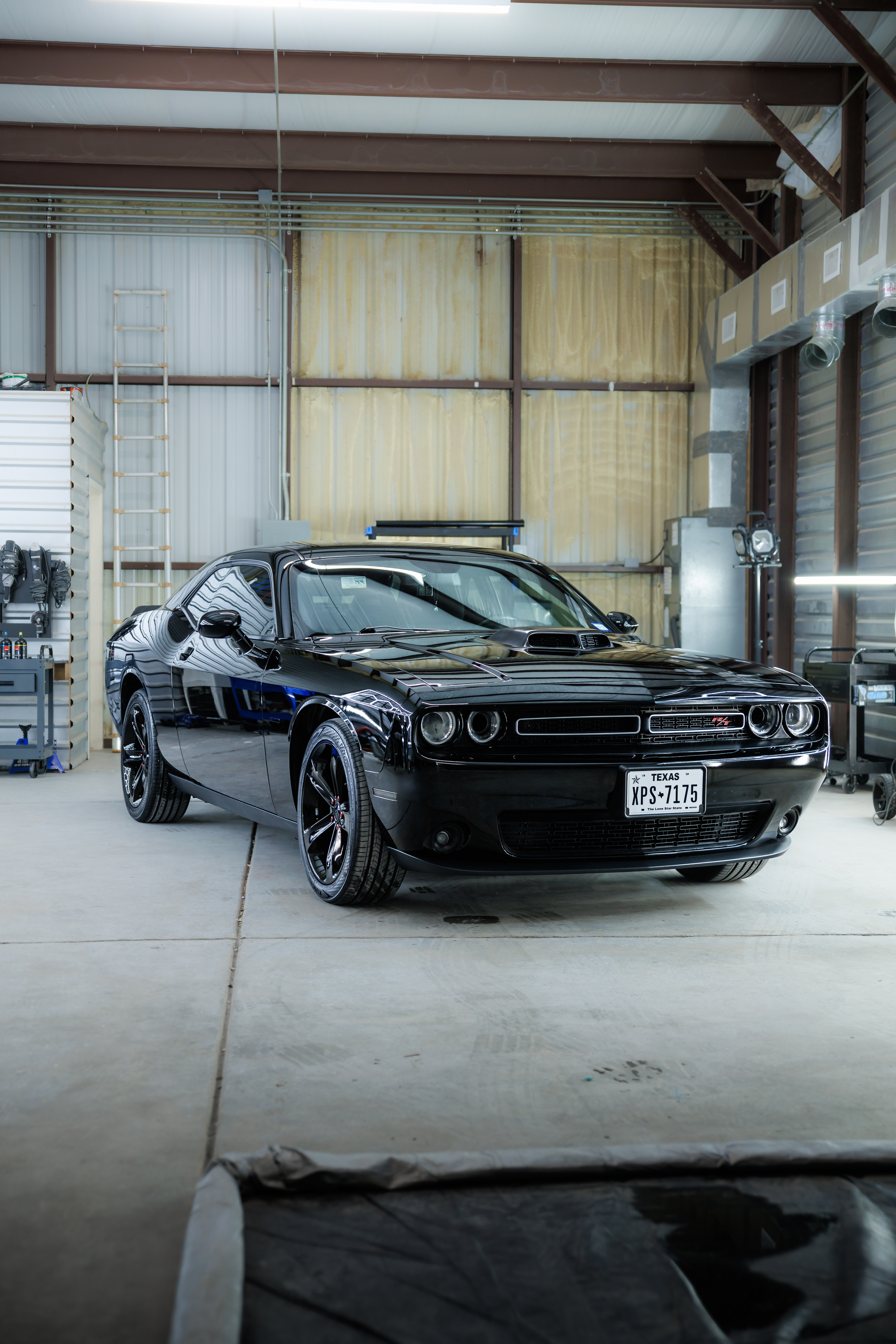
Fresh paint isn't finished paint. After a repair, the panel is still off-gassing solvents for weeks, and the things you'd normally do to protect paint can trap that process and cause real problems. Here's what actually applies during that window.
Why New Paint Is Different
Refinish paint cures well past the point it feels dry. During that period the film is still releasing solvent vapor. Sealing it too early — with a wax, a sealant, or a ceramic coating — can trap that vapor and cause hazing or adhesion issues. Body shops generally advise a curing window before any protection goes on; follow whatever yours specified for the product they used.
What You Can Safely Do Meanwhile
Wash it. Gently, by hand, with a pH-neutral soap and clean media. What you're avoiding is abrasion and sealing, not cleaning. Keeping contamination off fresh paint actually matters more than usual, because bird droppings and hard water etch soft, uncured film faster than they etch a fully cured panel.
What to Avoid Entirely
Automated car washes, wax, sealant, ceramic coating, clay bar, and any machine polishing until the shop's cure window has passed. Also avoid parking under trees and leaving the vehicle wet — Lubbock's mineral-heavy water spots fresh paint readily, and those spots etch in more easily while the film is soft.
Then What
Once the panel has fully cured, it's worth a proper decontamination and an assessment. Refinished panels and factory panels often differ slightly in gloss and texture, and light correction can bring them closer together before protection goes on. That's the right moment for a sealant or a ceramic coating — on cured, corrected paint.
Ask your body shop two questions before you leave: what product line did you refinish with, and how long before it can be sealed. Those answers determine the timeline, and they vary by paint system. Anyone who tells you a universal number without asking is guessing.
If you're not sure where your repair sits in that window, call and tell us what the shop used and when the work was done. We'd rather schedule you at the right time than do something to fresh paint that has to be undone later.
Related Reading
Ready to Protect Your Vehicle?
We'll inspect your paint and tell you exactly what it needs — we will share current appointment availability.
Keep Your Coating Performing.
Founding memberships are $99 for Exterior Detail, $149 for Full Detail, or $249 for Premium Detail. Each option has one set rate for qualifying cars, trucks, and SUVs.