Does Ceramic Coating
Fade or Wear Out?
Changes in water behavior can indicate contamination, wash-product residue, a topper, surface temperature, or coating wear. One symptom does not prove failure. Clean the vehicle with compatible products, inspect multiple panels, identify the installed coating when possible, and compare the result with its written care instructions before deciding on decontamination, maintenance, or replacement.
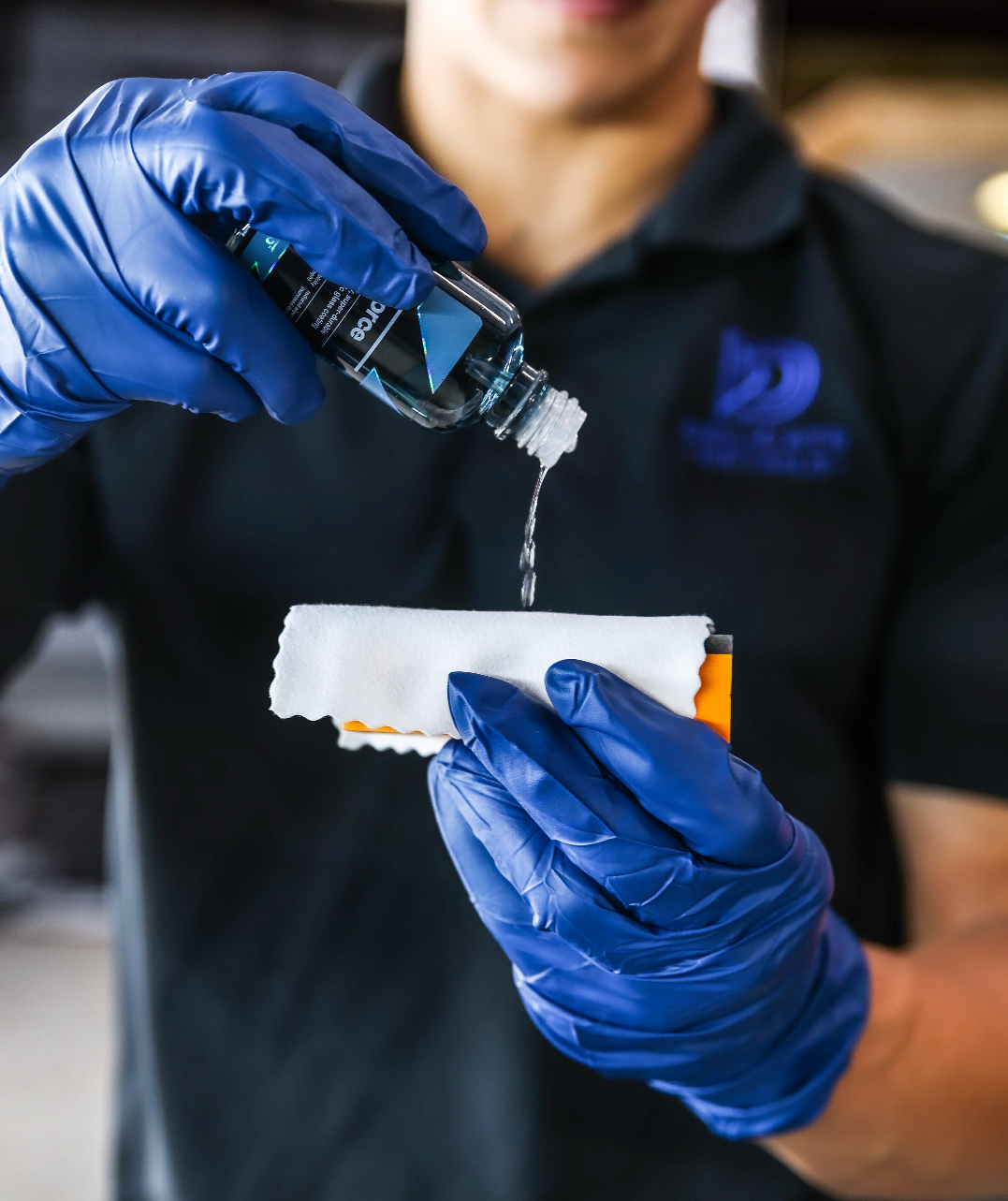
A ceramic coating can lose surface performance over time, but it does not follow one visible pattern or a universal schedule. The installed product, preparation, exposure, washing, contamination, maintenance products, and paint condition all affect what an inspection shows.
Water Behavior Is One Diagnostic Clue
Beading and sheeting are useful observations, but they are not a pass-or-fail test by themselves. Wash-product residue, mineral deposits, road film, a recently applied topper, surface temperature, and panel angle can all change how water behaves while the paint still looks glossy.
Compare More Than One Panel
Hoods, roofs, lower doors, bumpers, and sheltered vertical panels face different exposure and washing contact. Uneven performance can occur, but its location does not identify the cause on its own. Compare clean panels under similar conditions and document where the behavior changes.
Contamination Can Mask Surface Behavior
Mineral residue, road film, and bonded contamination can affect how water wets the surface. Cleaning or decontamination should match the coating manufacturer's instructions and start conservatively. Improvement after cleaning suggests contamination contributed, but it does not establish the coating's remaining service life.
Local Exposure Changes the Maintenance Need
Lubbock vehicles may encounter sun, windblown dust, hard-water residue, insects, road film, and repeated washing. Those conditions influence maintenance, but they do not let anyone calculate coating life without knowing the product, preparation, storage, use, and care history. Package years identify the service tier, not a maintenance-free guarantee.
Clean, Inspect, Then Choose the Next Step
The next step may be a compatible maintenance wash, condition-based decontamination, a product-approved maintenance treatment, or preparation for replacement. The correct option depends on the installed coating, surface condition, test result, and written product or package terms.
Before assuming a coating has failed, identify the product when possible, clean it with compatible chemistry, inspect several panels, and test the least aggressive appropriate process. Decontamination is not automatically safe or necessary for every surface.
If the water behavior has changed, send the coating name, installation date, care history, and clear photos when requesting an inspection. We can document the current condition and explain reasonable next steps, but remaining service life cannot be guaranteed from beading alone.
Related Reading
Ready to Protect Your Vehicle?
We'll inspect your paint and tell you exactly what it needs — we will share current appointment availability.
Keep Your Coating Performing.
Founding memberships are $99 for Exterior Detail, $149 for Full Detail, or $249 for Premium Detail. Each option has one set rate for qualifying cars, trucks, and SUVs.