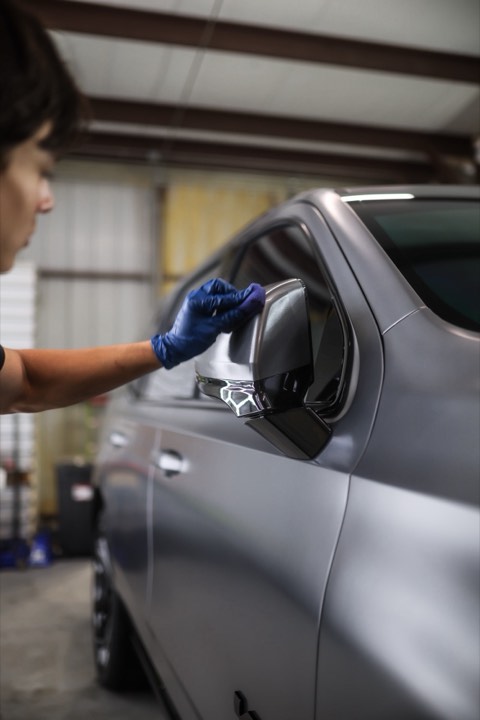
Paint correction near Vintage Township with careful testing for original and repainted panels. We match the correction level to the finish, the ownership goal, and the amount of clear coat that can be polished safely.
Vintage Township paint correction starts at $350 for a sedan. A 1-step improves lighter wash marks and haze; 2-step and 3-step services are for finishes that need more cutting and refinement. We test first because factory paint, touch-ups, and repainted panels can respond differently on the same vehicle.
A used vehicle may have factory panels, a repainted bumper, a blended door, or prior spot correction. Those surfaces can differ in hardness, thickness, texture, and heat response even when the color match looks perfect.
We inspect for finish changes and use small test areas before committing to a full correction process. The objective is consistent gloss without chasing one deep mark so aggressively that the surrounding clear coat is compromised.
Tell us about known collision repairs, repainted panels, touch-up paint, vinyl removal, or prior polishing. If you are unsure, we will still inspect and test conservatively before recommending a stage.
Test every finish
13209 Frankford Ave, Suite 4
Lubbock TX 79424
Prices are by vehicle size. Get an exact quote for your specific vehicle.
Single-stage machine polish to improve light swirl marks, oxidation haze, and minor clear-coat defects when paint condition allows. Good for vehicles in decent shape that need a clarity boost.
Two-stage compound and polish for moderate swirl marks, oxidation, and water-spot etching, subject to paint condition and safe clear-coat depth. Recommended only when inspection and the test area justify the added cut.
Multi-stage correction for severe clear-coat defects after inspection; deep damage may require touch-up or body repair instead of polishing. The goal is the strongest safe improvement the tested paint supports.
Lubbock's environment is harder on vehicles than most people realize.
Automatic car wash brushes and ribbons drag abrasive particles across clear coat in circular patterns — visible as a spiderweb in direct sunlight. Machine polishing can improve many of these defects, but the safe result depends on defect depth, paint condition, prior repairs, and the test area.
Lubbock's frequent sunny days break down clear coat chemistry over time, turning bright paint dull, cloudy, and chalky. Multi-stage paint correction cuts through the oxidized layer and exposes healthy paint underneath.
Lubbock's high-mineral water leaves calcium deposits that chemically etch into clear coat when they evaporate. Light etching polishes out. Severe etching may require wet sanding. We'll assess and tell you what's achievable.
Road debris, parking lot contact, and caliche buildup create deeper scratches into the clear coat layer. 2-step and 3-step correction use aggressive compounds to cut below scratch depth and restore a level, clear surface.
Timing depends on vehicle size, paint condition, tested polishing response, selected correction stage, and any approved additional work. We confirm an estimated pickup window after inspecting the clean paint and contact you if the safe scope changes.
Scratches through the clear coat into the color layer or bare metal cannot be corrected with polishing. They may need touch-up paint or body repair. We explain what appears safely improvable after inspection and a test area.
Swirl-like defects can come from contaminated wash media, dry wiping, abrasive contact, or some automated wash equipment. Polishing may improve suitable defects, while careful washing can reduce the chance of adding new ones. A coating or sealant can make cleaning easier but does not prevent scratches.
Coating preparation depends on the paint condition and the selected product instructions. Some vehicles need only cleaning and light refinement, while visible defects may justify more correction. We quote extra correction separately when it is not included in the selected coating scope.
Often, yes, but repainted panels must be evaluated separately from factory paint. We inspect the finish, use a test spot, and adjust the process or stop if a panel cannot be polished safely. Tell us about any known repair history when requesting a quote.