Ceramic Coating Aftercare:
The Complete Guide
Use the first-wash and early-water instructions provided for the coating installed on your vehicle. Cure timing varies by product, layers, and conditions. After that window, careful washing, prompt contamination removal, and product compatibility matter more than any one universal schedule.
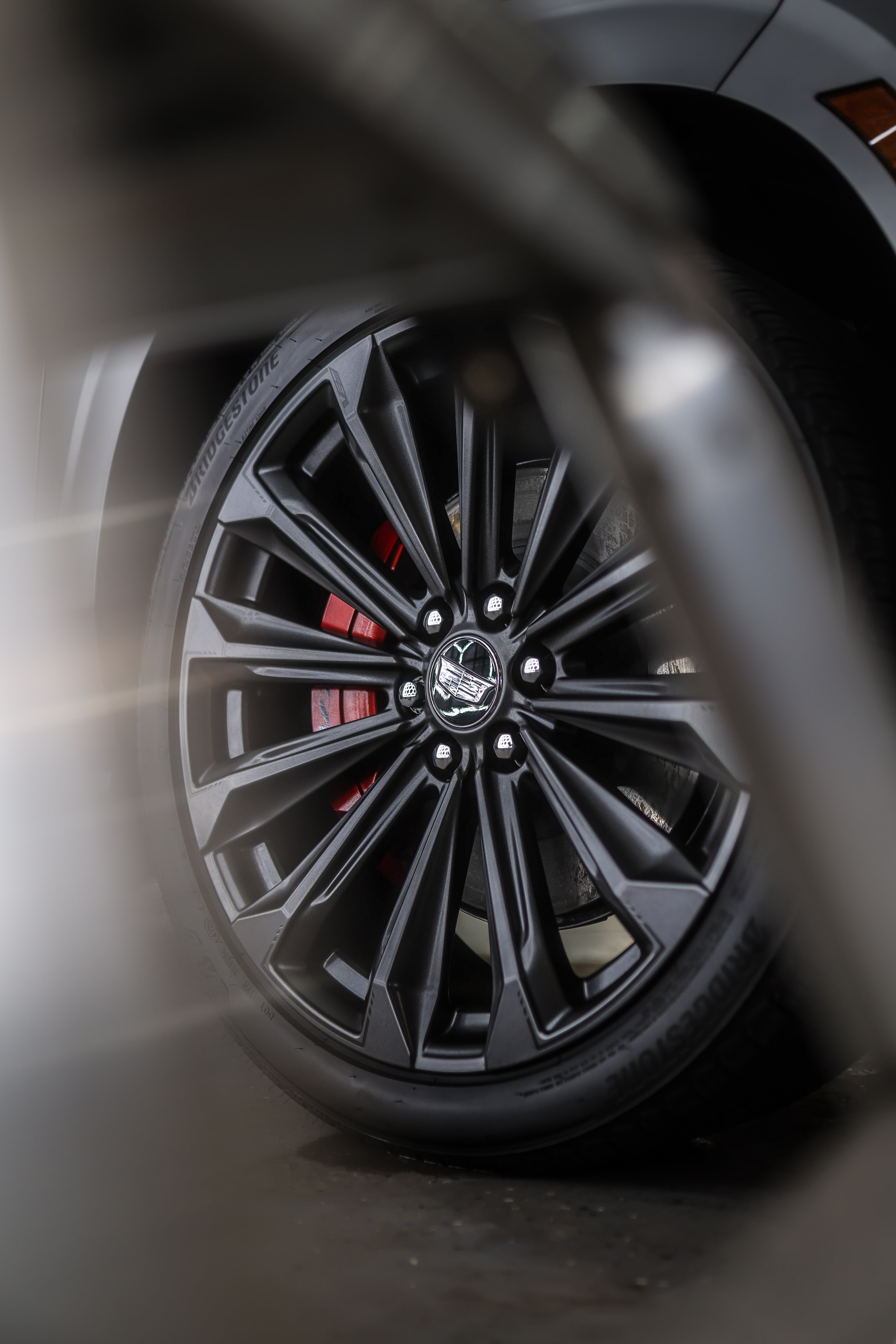
You just invested in a professional ceramic coating. Whether you went with our 2-year Essential, 5-year Advanced, or 10-year Elite package, the goal is the same: make this thing last as long as possible and look as good as it did the day you drove out. That's on us to install correctly and on you to maintain correctly.
This guide covers the habits we discuss after a coating job. Actual performance depends on the installed product, preparation, exposure, and maintenance, so your written pickup instructions control when they differ from general guidance here.
Save this page. Bookmark it, screenshot it, send it to whoever else drives the car. The most common aftercare mistakes happen because the person driving doesn't know the rules.
The Early Cure Window: Follow Your Pickup Instructions
A ceramic coating may continue curing after application, but the water-exposure and first-wash window is product-specific. The installer should give you written instructions for the exact coating, layers, and conditions used on your vehicle.
Pickup
Confirm the exact instructions
Check the first-wash date, early-water guidance, covered surfaces, and the number to call if contamination reaches the finish.
Cure
Avoid unnecessary contact
Do not wash or add products before the stated date. If the vehicle gets wet or contaminated, contact the installer before wiping it.
Date
Begin compatible maintenance
Once the written first-wash date arrives, use clean wash media, a compatible automotive shampoo, and a careful drying method.
Term
Watch condition, not just the calendar
Pre-rinse loose dust, dry mineral-heavy water, remove harmful contamination promptly, and inspect changes in water behavior before assuming coating failure.
Lubbock-specific note: West Texas caliche dust and hard water are the coating's two biggest enemies locally. After the curing period, rinse caliche off with water before wiping anything. Never wipe dry dust across the surface.
How to Wash a Ceramic Coated Car
Ceramic coating makes your car easier to clean — contamination doesn't bond the same way it does to bare paint. But washing incorrectly will scratch the coating and reduce how well it repels water and dirt. Here's the right process.
Do This
- Two-bucket hand wash with grit guards
- Automotive shampoo compatible with the installed coating
- Soft microfiber wash mitt
- Rinse first to remove loose dirt
- Wash top-to-bottom, rinse top-to-bottom
- Dry with clean microfiber waffle weave towel
- Wash in shade or early morning
- Rinse wheels separately with dedicated wheel brush
Never Do This
- Brush-style automatic car washes
- Dish soap, Dawn, or household cleaners
- Chamois or old terry cloth towels
- Washing in direct Texas sun
- Wiping dry dust or caliche off with a dry cloth
- Using the same mitt on wheels and paint
- High-pressure water directly at trim seals
- Unverified waxes, sealants, or toppers over the coating
Why Product Compatibility Matters
A cleaner's pH is only one part of compatibility. Concentration, dwell time, temperature, soil level, and the coating manufacturer's instructions also matter. Household cleaners are not designed as routine automotive shampoos and may leave residue or affect existing protection.
Use a dedicated automotive shampoo approved for the coating on your pickup instructions. CarPro Reset is one option we use for compatible coated finishes; follow its label and the installed coating's maintenance guidance.
Touchless Car Washes — Okay Occasionally
Touchless washes avoid brush contact, but their chemistry and rinse quality vary. They may leave residue or mineral spotting, so check the coating manufacturer's guidance and dry remaining water promptly when practical.
Brush-style washes can drag contamination across paint and create fresh defects. If preserving the corrected finish is the goal, a careful hand wash with clean media gives you more control.
Bird Droppings, Bugs, and Tree Sap — Handle These Fast
A coating may make some residue easier to remove, but it does not make paint immune to bird droppings, bugs, sap, or minerals. Heat, residue chemistry, dwell time, and the finish condition all affect the risk.
Bird droppings: Remove within 24 hours if possible. Mist the area with a spray detailer or water, let it soften for 30–60 seconds, then gently wipe with a clean microfiber. Never scrape or wipe dry.
Tree sap: Use a compatible automotive sap remover according to its label, or contact the installer if you are unsure. Do not rub aggressively.
Bugs: Bug splatter is acidic. Remove before it hardens. A quick rinse and wipe with a damp microfiber handles most of it if you catch it early. Bug and tar removers work well for baked-on residue.
In Lubbock specifically: park away from cottonwood trees in late spring and mesquite trees year-round. Both drop sap and debris that can stain your coating if left long enough.
Annual Decontamination
Even with good washing habits, iron particles from brake dust, rail dust, and industrial fallout embed into and around the coating over time. You'll notice the paint starts to feel less smooth — like fine sandpaper — even after washing. That's contamination, not coating failure.
When inspection shows bonded ferrous contamination, use a compatible iron-removal process or have the finish professionally assessed:
- Wash the car thoroughly first
- Spray an iron remover (CarPro IronX, Kochchemie Eulex) over the paint
- Watch it turn purple as it reacts with iron particles — this is normal
- Let it dwell 3–5 minutes, then rinse thoroughly
- Use mechanical decontamination only if it is still needed and appropriate for the finish
- Rinse again and dry
After decontamination, reassess the surface before adding a booster or assuming the coating has failed. Protection Program customers should follow the inspection and maintenance terms in their signed agreement.
What You Don't Need to Do
Do not assume every wax, sealant, or spray is compatible with every coating. Some products may temporarily change water behavior or affect program coverage; confirm the exact product before applying it.
Similarly, you don't need to use any special "ceramic coating maintenance" sprays unless they're specifically formulated as a coating booster (like CarPro HydrO2 or similar SiO2 topper). Even those are optional — they extend hydrophobic performance between coating refreshes, but they're not required maintenance.
When the Coating Needs a Refresh
Package term, written maintenance conditions, product durability, and real-world exposure are not the same thing. Changes worth inspecting include:
- Water stops beading into tight droplets and starts sheeting flat instead
- Car feels less smooth to the touch after washing
- Dirt and grime are bonding to the paint more than they used to
- Coating looks dull in direct sunlight even after washing
If you're seeing these signs before your coating's expected life is up, text us a photo. Often it just needs a decontamination and a booster coat rather than a full reapplication. If the coating has failed early, we'll figure out why before putting another one on.
Lubbock hard water tip: After washing, dry your car immediately. Letting Lubbock tap water evaporate on your paint leaves mineral deposits that can spot-etch the surface over time. The coating slows this — it doesn't stop it entirely.
Summary: The Rules Worth Repeating
- Follow the written first-wash and early-water instructions for the installed coating
- Use an automotive shampoo compatible with that coating
- Two-bucket hand wash — no brush car washes
- Remove bird droppings, sap, and bugs fast
- Decontaminate when inspection and product guidance call for it
- Confirm compatibility before applying wax, sealant, or a topper
- Dry immediately after washing to prevent water spots
- If something looks wrong, text us before you try to fix it
Related Reading
Questions About Your Coating?
If something doesn't look right, reach out before you try to fix it. Text us a photo and we'll tell you exactly what's going on — no appointment needed for that.